How Can Refugees Achieve Self-Reliance and Empowerment?
TL;DR
Refugees can achieve self-reliance by receiving opportunities for empowerment rather than handouts. Programs like YARID in Kampala illustrate that supporting refugees with skills training, education, and community initiatives leads to economic independence and benefits both the refugees and their host communities.
Transcript
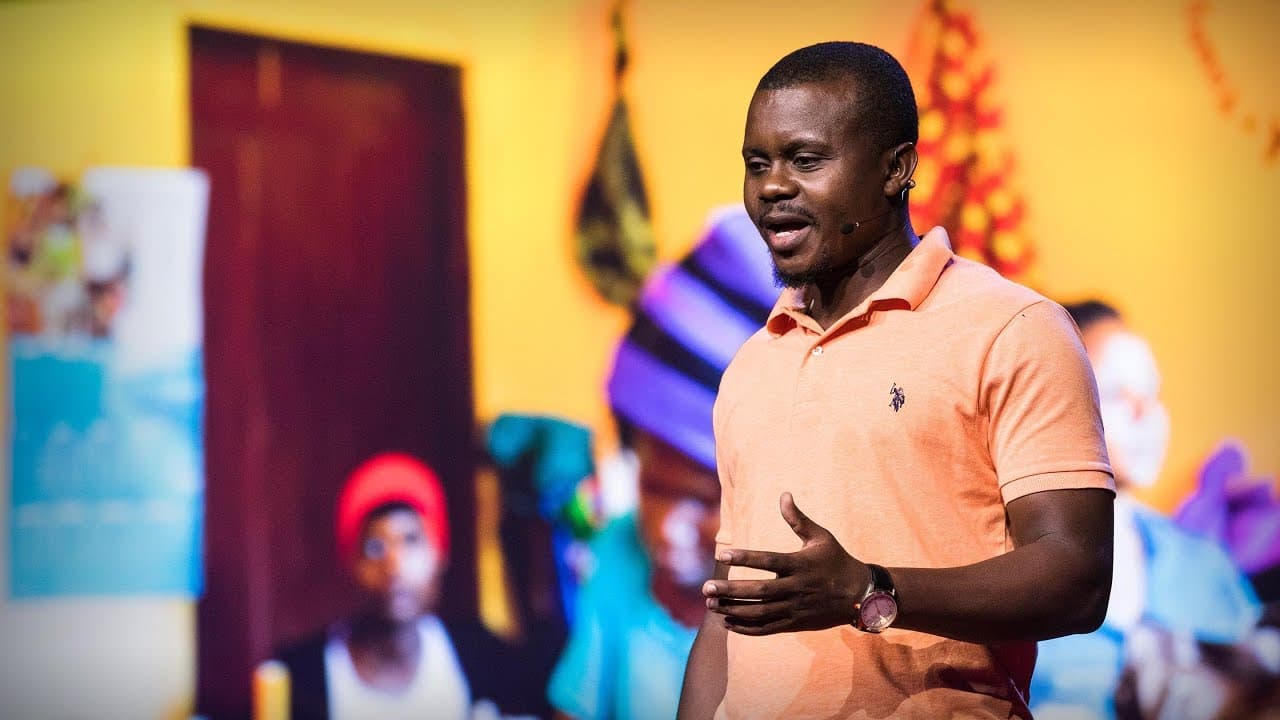
Currently, most refugees live in the cities rather than in the refugee camps. We represent over 60 percent of the number of refugees globally. With the majority of refugees living in urban areas, there is a strong need for a paradigm shift and new thinking. Rather than wasting money on building walls, it would be better to spend on programs to help... Read More
Key Insights
- 🌍 Currently, most refugees live in cities rather than camps, highlighting the need for a shift in thinking towards supporting refugees in urban areas.
- 🙌 Instead of building walls, investing in programs to help refugees help themselves is a more effective approach.
- 🛠️ Refugees possess skills and knowledge that can contribute to the development of their host countries, if given the opportunity to live productive lives.
- 🏙️ Living in the city provided better conditions for refugees compared to camps, but they still faced challenges such as poverty, language barriers, and limited access to education and healthcare.
- ❌ Despite being recognized by UNHCR, refugees in cities have been denied international assistance, leaving them vulnerable to exploitation, discrimination, and harassment.
- 🤝 YARID, an organization founded by refugees, has been successful in supporting over 3,000 refugees in Kampala through programs that address their various needs, such as soccer, English language classes, and vocational training.
- 🔑 Refugees seek empowerment, not handouts, and should be internationally recognized and supported for the initiatives they create.
- 💪 By giving refugees the support they deserve, they have the potential to become self-reliant and contribute to their host communities, providing a return on investment.
Install to Summarize YouTube Videos and Get Transcripts
Explore YouTube Video Summarizer or Get YouTube Transcript Extractor
Questions & Answers
Q: Why do most refugees live in cities rather than in refugee camps?
Most refugees choose to live in cities rather than refugee camps because they believe that urban areas offer better opportunities for education, healthcare, and livelihoods. Additionally, cities allow refugees to be more self-reliant and better integrate into the host country's community.
Q: What challenges do refugees face when living in cities?
Refugees living in cities often face challenges such as language barriers, lack of access to education and healthcare, and discrimination. They may also struggle with poverty and exploitation, as well as the difficulties that come with their refugee status.
Q: How did the speaker help other refugees after fleeing his country?
The speaker, along with his colleagues, established an organization called YARID (Young African Refugees for Integral Development). They aimed to support other refugees by addressing their challenges through various programs. These programs included soccer to engage unemployed youth, English classes to promote integration, and vocational training to provide livelihood skills.
Q: How has YARID made a positive impact on the refugee community in Kampala?
YARID has supported over 3,000 refugees in Kampala and has helped many families become self-sustaining through their programs. By offering education, livelihood skills, and opportunities for economic self-reliance, YARID has empowered refugees and enabled them to contribute to the development of their host country.
Summary & Key Takeaways
-
The majority of refugees live in cities rather than in refugee camps, highlighting the need for a new approach to assisting refugees.
-
The speaker, a refugee himself, emphasizes the importance of allowing refugees to live productive lives and contribute to the development of their host countries.
-
The speaker's organization, YARID, has successfully supported over 3,000 refugees in Kampala through programs such as soccer, English classes, and vocational training, leading to economic self-reliance.
Read in Other Languages (beta)
Share This Summary 📚
Summarize YouTube Videos and Get Video Transcripts with 1-Click
Try YouTube Summary with ChatGPT & Claude or YouTube Transcript Generator
Explore More Summaries from TED 📚




Summarize YouTube Videos and Get Video Transcripts with 1-Click
Try YouTube Summary with ChatGPT & Claude or YouTube Transcript Generator