Ethan Nadelmann: The War on Drugs is Racist | Big Think
TL;DR
The illegality of drugs is not based on their risks but on historical racial biases.
Transcript
If you ask the question why are some drugs legal and others illegal. Why are cigarettes and alcohol legal and pharmaceuticals in the middle and these other drugs -- marijuana and, you know, other ones illegal? You know, some people sort of inherently assume well this must be because there was a thoughtful consideration of the relative risks of drug... Read More
Key Insights
- 👮 Drug prohibition laws were influenced more by racial biases than the actual risks associated with the drugs.
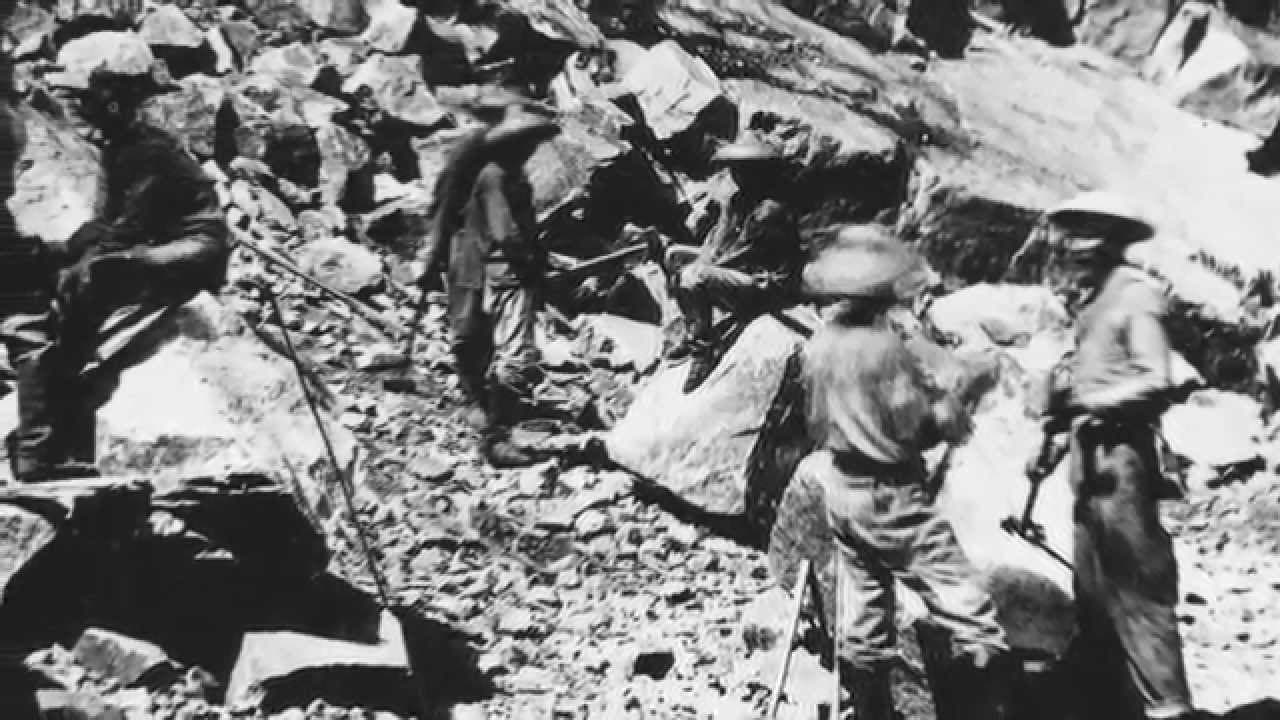
- 😨 Opium, cocaine, and marijuana laws were fueled by fears of Chinese, black, and Mexican minorities consuming these substances.
- 🫱 The war on drugs has historically targeted marginalized communities due to systemic racism and biases in law enforcement.
- 👥 Alcohol prohibition and drug criminalization have underlying racial conflicts between different demographic groups.
- 👮 Enforcing drug laws has disproportionately affected poorer, younger, and darker-skinned individuals.
- 😨 The origins of drug prohibition laws were driven by fears of addiction and behavior changes in minority groups.
- 🤎 The war on drugs is not solely about race but disproportionately targets black and brown individuals.
Install to Summarize YouTube Videos and Get Transcripts
Explore YouTube Video Summarizer or Get YouTube Transcript Extractor
Questions & Answers
Q: Why are some drugs illegal while others, like alcohol and cigarettes, are legal?
The legality of drugs is not based on their risks but on historical racial prejudices and who was perceived to use them. Alcohol and cigarettes were not criminalized despite their higher risks.
Q: What were the origins of drug prohibition laws in the United States?
Drug prohibition laws in the US were established based on fears of Chinese, black, and Mexican minorities, with laws targeting opium, cocaine, and marijuana use by these communities.
Q: How has the war on drugs affected marginalized communities?
The war on drugs has disproportionately impacted poorer, younger, and darker-skinned individuals due to biases in enforcement and discretion in law enforcement.
Q: Is the war on drugs a form of systemic racism?
Yes, the war on drugs has been described as the new Jim Crow, as it has targeted black and brown communities since its inception, despite affecting people of all races.
Summary & Key Takeaways
-
Drug prohibitions are not rooted in risk assessments but in racial biases and fears of particular demographics.
-
Laws against drugs like opium, cocaine, and marijuana were driven by fears of Chinese, black, and Mexican minorities.
-
The war on drugs has disproportionately targeted marginalized communities based on historical biases.
Read in Other Languages (beta)
Share This Summary 📚
Summarize YouTube Videos and Get Video Transcripts with 1-Click
Try YouTube Summary with ChatGPT & Claude or YouTube Transcript Generator
Explore More Summaries from Big Think 📚



Summarize YouTube Videos and Get Video Transcripts with 1-Click
Try YouTube Summary with ChatGPT & Claude or YouTube Transcript Generator