New Concrete Alternatives
TL;DR
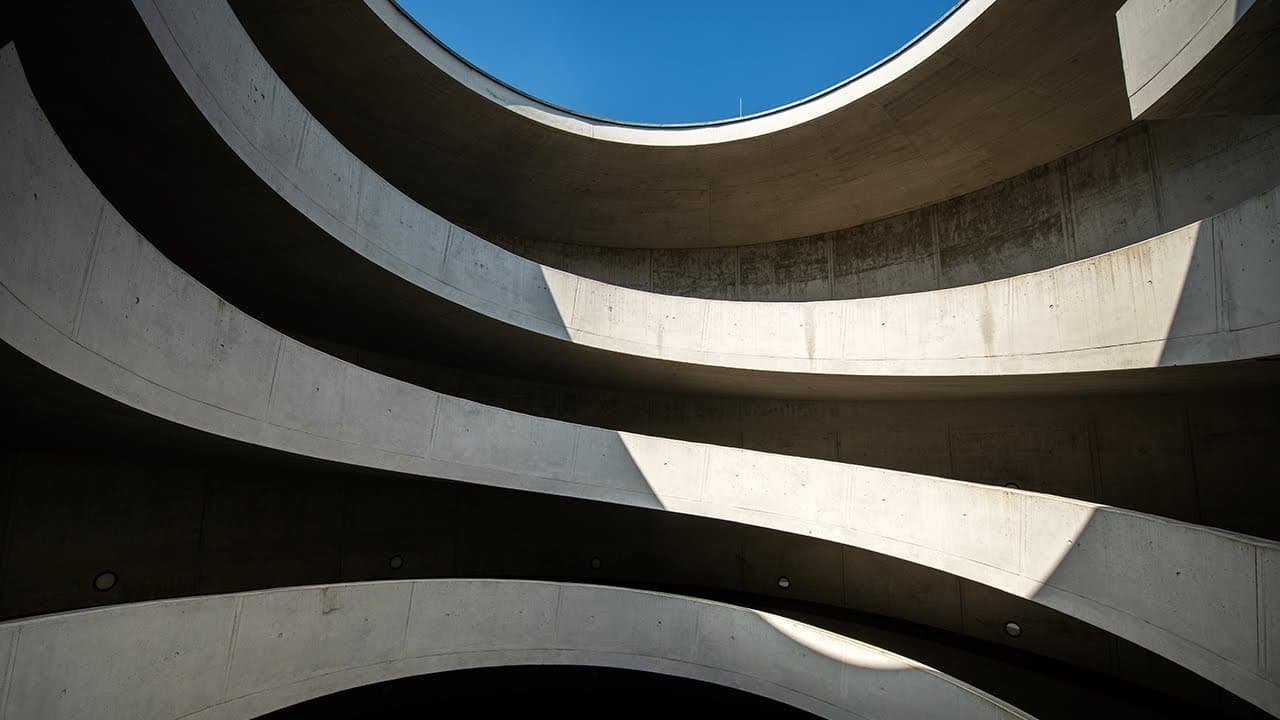
Concrete production, particularly cement manufacturing, is a significant source of greenhouse gas emissions, but innovative solutions such as using bacteria to harden concrete bricks and injecting carbon dioxide into wet concrete mixes are being developed to reduce environmental impact.
Transcript
with the ability to be formed into almost any shape concrete is the most widely used material in the world and shapes nearly every part of our built environment from bridges and tunnels to countless building types and vast dams while no other material comes close to offering the strength and adaptability of concrete the process of creating its core... Read More
Key Insights
- 🫢 Concrete production is a major contributor to greenhouse gas emissions, with cement manufacturing being a significant source.
- 💅 Innovative solutions, such as bacteria-based concrete bricks and the carbon cure technique, show promise in reducing environmental impact.
- 😎 Ferric, a material made from steel dust waste and recycled glass, offers a carbon negative alternative to concrete.
- 😀 The large-scale implementation of these solutions may face challenges related to cost, resource availability, and industry adoption.
Install to Summarize YouTube Videos and Get Transcripts
Explore YouTube Video Summarizer or Get YouTube Transcript Extractor
Questions & Answers
Q: How much carbon dioxide is released in the production of cement?
Approximately 900 kilograms of carbon dioxide are produced as a by-product for every 1,000 kilograms of cement manufactured, resulting in over 2.2 billion tons of carbon dioxide released in 2016 alone.
Q: How does the bacteria-based concrete brick manufacturing process work?
Sand is mixed with bacteria and placed into molds. The bacteria are then fed an aqueous solution, causing them to harden and bind the mixture together, similar to coral growth. This process eliminates the need for heat during manufacturing.
Q: What is ferric and how does it reduce carbon dioxide emissions?
Ferric is a material made from steel dust waste and recycled glass. The iron in the steel dust reacts with carbon dioxide, rusts, and forms iron carbonates, which fuse the components together. Unlike cement, the hardening process of ferric absorbs and traps carbon dioxide, creating a carbon negative product.
Q: What is the carbon cure technique and how does it reduce carbon dioxide emissions?
The carbon cure technique involves injecting carbon dioxide into wet concrete mixes. The trapped carbon dioxide strengthens the material, while limestone nanoparticles are formed through chemical reactions, allowing contractors to use less cement. This technique has the potential to save 700 megatons of carbon dioxide annually if widely adopted.
Summary & Key Takeaways
-
Cement production contributes around 8% of total greenhouse gas emissions, primarily through the release of carbon dioxide.
-
A new method of creating concrete bricks without heat or traditional binding agents, using bacteria and natural processes, shows promise.
-
Ferric, a material made from steel dust waste and recycled glass, is five times stronger than concrete and absorbs carbon dioxide during the hardening process.
Read in Other Languages (beta)
Share This Summary 📚
Summarize YouTube Videos and Get Video Transcripts with 1-Click
Try YouTube Summary with ChatGPT & Claude or YouTube Transcript Generator
Explore More Summaries from The B1M 📚



Summarize YouTube Videos and Get Video Transcripts with 1-Click
Try YouTube Summary with ChatGPT & Claude or YouTube Transcript Generator