Why Are Trees Saved for Questionable Reasons?
TL;DR
Trees have been preserved for complex reasons throughout history, including nationalism and racism. While some motivations, like arbo-nationalism, can be problematic, the protection of trees remains valuable. Acknowledging past mistakes in conservation can help foster a deeper emotional connection to local nature, which is essential for addressing broader environmental challenges.
Transcript
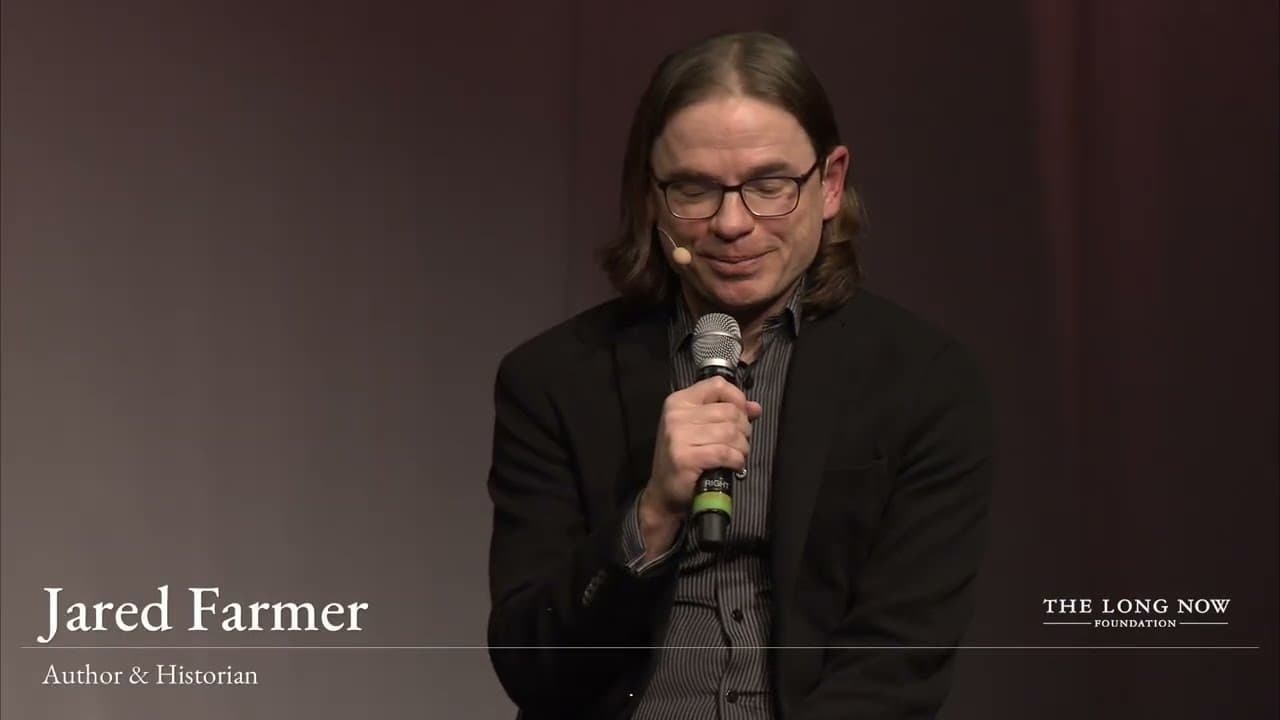
- In your research, you document many cases where people do the right thing for the wrong reason. So for example, 20th century arbo-nationalism, one of my favorite words from the book, where many trees got saved in a fit of nationalistic fervor. Does it matter why we're saving trees or should we just be thankful that they're being saved regardless ... Read More
Key Insights
- 🌲 Trees have been saved throughout history, but the motives behind their conservation can vary, including arbo-nationalism and ethno-nationalism.
- 🚁 Small-scale protected areas called Monuments of Nature were initially created for scientific reasons but were later co-opted by fascists.
- 🇺🇸 The protection of trees in the United States has been influenced by racist visions of American history, but this does not negate their value.
- 🌐 Balancing local place attachments with global environmental concerns presents a significant challenge.
- ❓ The engagement of voters emotionally in local nature can contribute to addressing planetary crises.
- 🥹 Mistakes made in the past, such as introducing eucalyptus to California, should be acknowledged but can still hold a positive sense of place.
- ❤️🔥 The tension between forest fire management and attachment to certain trees requires careful consideration and evaluation.
Install to Summarize YouTube Videos and Get Transcripts
Explore YouTube Video Summarizer or Get YouTube Transcript Extractor
Questions & Answers
Q: Does it matter why we save trees, or should we focus on the fact that they are being saved regardless of the motives?
While it is crucial to appreciate efforts in saving trees, understanding the motives behind conservation is equally important. Questionable motives can lead to negative consequences, such as the co-opting of protected areas by fascists.
Q: How can we balance the local love of place with the global environmental crisis?
Cultivating local place attachments can help connect individuals' emotional connection to their surroundings with the need for global planetary management. It is vital to engage voters emotionally to address the larger environmental crisis democratically.
Q: Are trees like eucalyptus in California a mistake, or can they still contribute positively to the local sense of place?
Eucalyptus in California was indeed a mistake due to fire hazards. However, it has become a part of the California landscape, contributing to the sense of place for many residents. It is essential to acknowledge both the mistakes of the past and their positive legacies.
Q: How can we navigate the tension between forest fire management and people's attachment to certain trees?
The tension between forest fire management and attachment to specific trees, like eucalyptus, requires thoughtful consideration. It is a place-specific issue that calls for careful evaluation and decision-making based on the specific circumstances and risks involved.
Summary & Key Takeaways
-
Trees have been saved for both admirable and questionable reasons throughout history, such as arbo-nationalism and ethno-nationalism.
-
Monuments of Nature, small-scale protected areas, were originally created for scientific reasons but were later co-opted by fascists.
-
In the United States, trees were protected with racist intentions, but it does not mean they should be torn down.
Read in Other Languages (beta)
Share This Summary 📚
Summarize YouTube Videos and Get Video Transcripts with 1-Click
Try YouTube Summary with ChatGPT & Claude or YouTube Transcript Generator
Explore More Summaries from Long Now Foundation 📚
Summarize YouTube Videos and Get Video Transcripts with 1-Click
Try YouTube Summary with ChatGPT & Claude or YouTube Transcript Generator