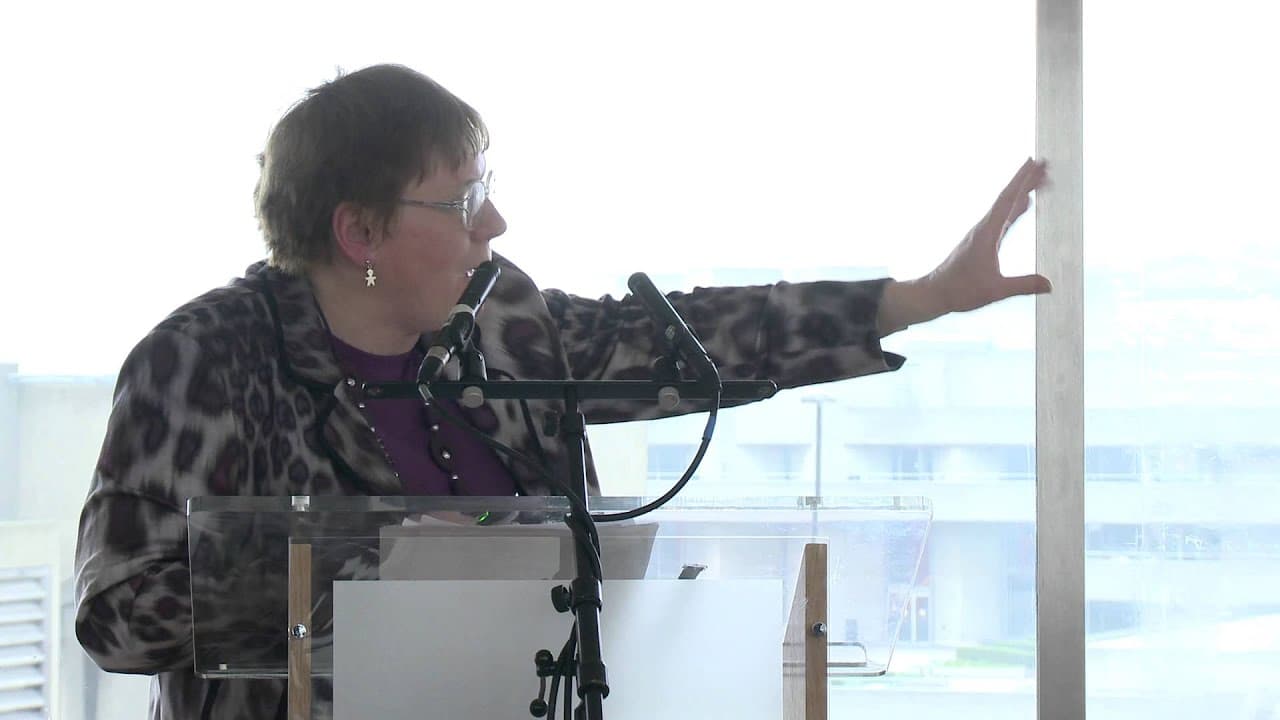
Clara Greed on the importance of global public toilet provision
TL;DR
Toilets are a crucial gender frontier globally, impacting women predominantly, with sanitation disparities and implications that extend across social strata.
Transcript
what I want to talk about is toilets last time at the last well before last I spoke about the problem in the UK and in the West but this time I want to go a bit more global on the toilet issue but toilets are one of the last gender frontiers in terms of inequality and in Britain for example over men have normally about twice as much provision as wo... Read More
Key Insights
- 👯 Toilet inequality is a global gender issue, with disparities affecting over 2 billion people.
- 👩⚕️ Inadequate sanitation in urban areas poses health risks, especially for women in shanty towns.
- 👧 Menstrual hygiene and school toilets influence girls' education in developing countries.
- ✊ Innovative approaches like urine-powered electricity generation can offer sustainable solutions.
- 🧑⚕️ Gender-inclusive strategies in sanitation are crucial for advancing equality and health.
- 🕴️ Personal hygiene products' Westernization may not suit all cultures, requiring adaptable solutions.
- ⚧️ Sustainability and gender equality are interconnected, requiring holistic approaches to sanitation.
Install to Summarize YouTube Videos and Get Transcripts
Explore YouTube Video Summarizer or Get YouTube Transcript Extractor
Questions & Answers
Q: How do toilets represent a significant gender frontier globally?
Toilets are emblematic of gender inequality worldwide, exemplified by unequal provisions favoring men over women. Sanitation disparities underscore broader societal perspectives on women's needs and roles.
Q: How does inadequate toilet provision affect women in urban areas?
In urban settings, lacking adequate toilets amplifies health risks, as seen in shanty towns where germs and worms thrive due to poor sanitation. Women bear the brunt of these challenges, impacting their well-being.
Q: What role do toilets play in education for girls in developing countries?
In developing nations, menstrual hygiene and toilet facilities directly influence girls' school attendance. Inadequate provisions lead to dropout rates, reflecting the critical link between sanitation, education, and gender equality.
Q: How can innovative approaches to sanitation address global challenges?
Creative solutions, such as dry toilet systems and urine-powered electricity generation, offer sustainable alternatives to traditional water-dependent toilets. These innovations have the potential to transform sanitation practices and enhance gender equality worldwide.
Summary & Key Takeaways
-
Globally, women face unequal access to toilets compared to men, impacting daily lives and societal position.
-
Sanitation issues are universal, affecting over 2 billion people with inadequate facilities, worsening in urban settings.
-
Addressing toilet disparities can improve health, education, and sustainability, highlighting the need for gender-inclusive solutions.
Read in Other Languages (beta)
Share This Summary 📚
Summarize YouTube Videos and Get Video Transcripts with 1-Click
Try YouTube Summary with ChatGPT & Claude or YouTube Transcript Generator
Explore More Summaries from Southbank Centre 📚






Summarize YouTube Videos and Get Video Transcripts with 1-Click
Try YouTube Summary with ChatGPT & Claude or YouTube Transcript Generator