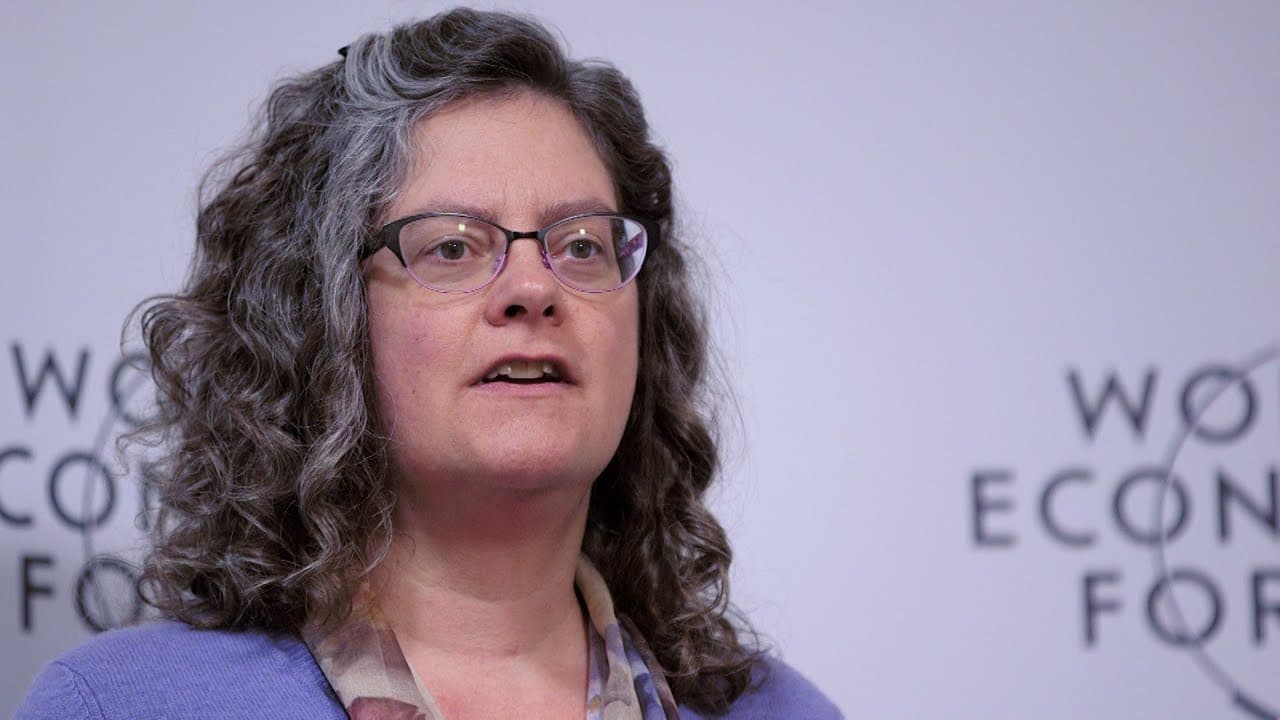
Rebuilding the Brain after Stroke | Marion Buckwalter
TL;DR
Stroke, a major cause of disability and death worldwide, is being tackled innovatively with interdisciplinary research at Stanford.
Transcript
okay this is a picture of a normal human brain when blood flow gets cut off because of a blood clot or a tear in a blood vessel then brain cells die within hours and that's what we call a stroke and you can think of a stroke as something like an earthquake it happens unexpectedly and the devastation that it causes is really dependent not just on it... Read More
Key Insights
- 🥺 Stroke is a leading global health concern, causing high mortality, disability, and dementia rates.
- 🥺 Stanford is leading innovative stroke research focused on brain regeneration and interdisciplinary collaboration.
- 😀 Traditional stroke treatments have faced challenges due to funding issues and communication gaps between researchers and clinicians.
- 🧠 Novel approaches at Stanford include advanced brain imaging techniques, wireless implants, and immune system-related therapies.
- 🧠 Understanding the brain's regeneration process post-stroke is critical for developing effective treatments.
- 👨🔬 Interdisciplinary teamwork involving experts from various fields is essential for comprehensive stroke research.
- 🔨 Innovative technologies like Bluetooth-enabled devices and circuit-mapping tools are enhancing stroke recovery studies.
Install to Summarize YouTube Videos and Get Transcripts
Explore YouTube Video Summarizer or Get YouTube Transcript Extractor
Questions & Answers
Q: What makes stroke such a devastating health condition?
Stroke results in brain cell death due to interrupted blood flow, causing lasting disabilities and even death. Its impact is significant globally, affecting mortality rates and quality of life.
Q: How is Stanford addressing the challenges in stroke research?
Stanford is approaching stroke research from multiple angles, emphasizing brain rebuilding, interdisciplinary teamwork, advanced technology development, and innovative therapies targeting the immune system and brain regeneration.
Q: Why have traditional stroke treatments been ineffective?
Existing stroke treatments have shown limited success due to underfunding, communication gaps between researchers and clinicians, and the complexity of the brain’s regeneration process. These factors have contributed to a sense of hopelessness in the field.
Q: What are some innovative approaches Stanford is using to study stroke recovery?
Stanford is employing advanced techniques like brain stimulation, circuit mapping, precise movement measurement devices, and wireless implants in animal models to understand stroke recovery mechanisms and develop novel therapies.
Summary & Key Takeaways
-
A stroke occurs when brain cells die due to disrupted blood flow, leading to devastating consequences on health.
-
Stroke is a significant global health issue, ranking high in mortality, disability, and dementia cases.
-
Stanford is pioneering stroke research, focusing on brain regeneration, interdisciplinary collaboration, new technologies, and immune system-related therapies.
Read in Other Languages (beta)
Share This Summary 📚
Summarize YouTube Videos and Get Video Transcripts with 1-Click
Try YouTube Summary with ChatGPT & Claude or YouTube Transcript Generator
Explore More Summaries from World Economic Forum 📚
Summarize YouTube Videos and Get Video Transcripts with 1-Click
Try YouTube Summary with ChatGPT & Claude or YouTube Transcript Generator