What Should You Do If a Polar Bear Visits Your Backyard?
TL;DR
If a polar bear appears in your backyard, prioritize safety by not approaching it and ensuring there is no food left outside that might attract it. Communities can coexist with polar bears by implementing waste management strategies and utilizing non-lethal deterrents. The most crucial long-term solution is to combat climate change to protect polar bear habitats and reduce the likelihood of such encounters.
Transcript
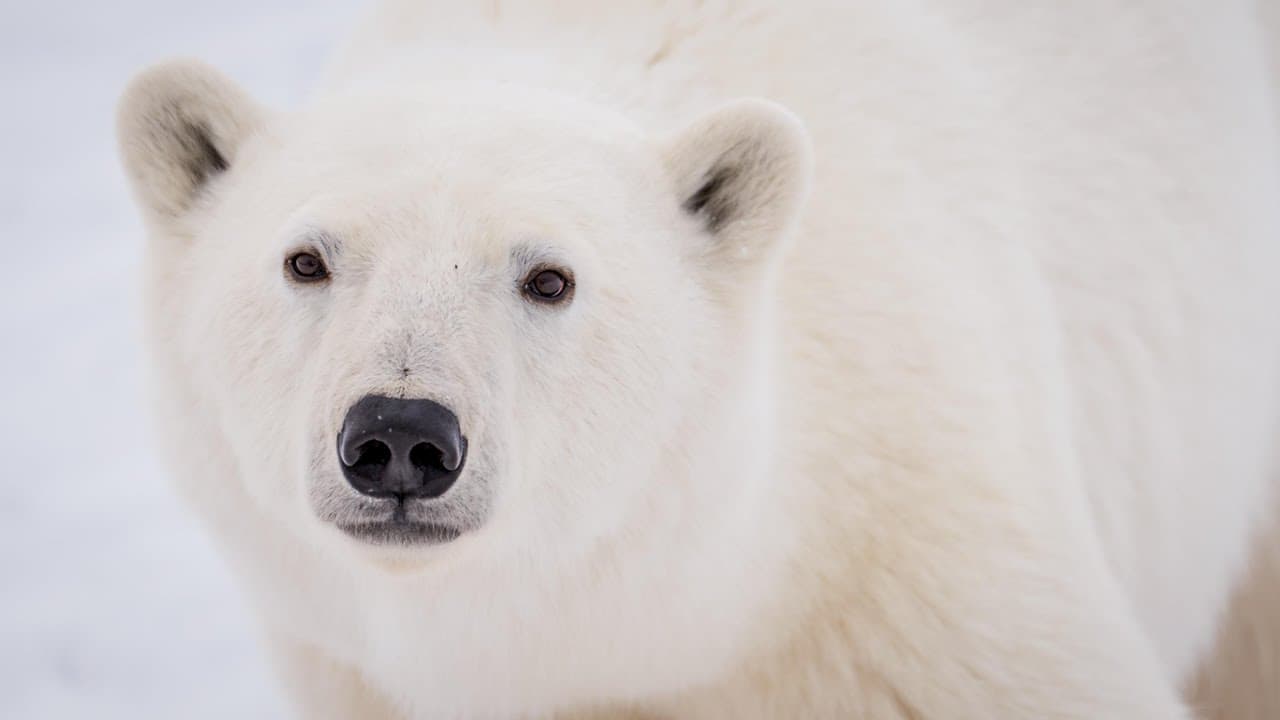
When you think of a polar bear, you might think white, cold, cute, fuzzy, huggable. Or maybe you feel a bit sad, imagining a polar bear floating away on a melting ice floe. Either way, there's a good chance that for you, polar bears are a distant reality. But think of those living and working in the Arctic. For them, melting ice doesn't mean polar ... Read More
Key Insights
- 🐻 Polar bears living in the Arctic are not just a distant reality, but a daily reality for those living and working in that region. Coexisting with these predators can be a challenge.
- 🌍 Climate change is causing the loss of polar bear habitat, and if we don't take action to address it, we could lose most of the world's polar bears by the end of the century.
- 🍔 When polar bears lose access to sea ice, they get stuck on land and become desperate for food. They will resort to eating human food, which can lead to negative encounters with humans and safety concerns.
- 🔪 A fed bear is a dead bear, meaning that providing food to polar bears can put them at risk. It's important to limit negative polar bear encounters and support people in protecting themselves with non-lethal tools.
- ♻️ Waste management plays a crucial role in polar bear coexistence. Churchill, Manitoba, has moved its garbage dump indoors and installed bear-resistant bins to prevent bears from accessing human food.
- 🚧 Innovative technologies, such as GPS tracking, can help provide longer lead times between polar bears and humans or prevent them from meeting altogether. This can reduce negative encounters and keep both species safer.
- 🎓 Education is an essential tool for coexistence. Individuals should be bear aware when entering bear country and take necessary precautions, such as securing snacks and carrying bear deterrents.
- ♨️ The most important tool for coexistence is reducing carbon emissions and addressing climate change. The faster we switch to cleaner energies and reduce emissions, the better chance we have of protecting future generations of polar bears and people.
Install to Summarize YouTube Videos and Get Transcripts
Explore YouTube Video Summarizer or Get YouTube Transcript Extractor
Questions & Answers
Q: How are polar bears doing in the Arctic?
The current state of polar bears in the Arctic is dependent on various factors. If we could pause time and halt the impacts on the planet, the species would be okay for now, with around 25,000 polar bears spread across 19 different populations in Canada, Russia, Norway, Greenland, and Alaska. However, since we cannot stop climate change, the world's polar bear population is at risk due to habitat loss, with the possibility of losing most of them by the end of the century.
Q: What challenges do polar bears face in coexisting with humans?
One of the biggest challenges polar bears face in coexisting with humans is the loss of sea ice. As their main hunting ground, sea ice provides polar bears with access to their primary prey, seals. When polar bears are unable to find enough food, they become desperate and may resort to scavenging human food, leading to negative encounters with humans. This is not only a safety concern for people but also puts the bear at risk of being killed in defense.
Q: How does human activity impact polar bear populations?
Human activity, particularly in areas where polar bears reside, has significant implications for their population. With the warming of the Arctic, more people are moving north and spending time on the land, bringing with them food and garbage. These attract polar bears, leading to more frequent encounters. Negative encounters can result in polar bears being killed to defend life or property. While Indigenous harvest of polar bears under a quota system is not a significant threat, climate change and an increase in defense kills could impact populations.
Q: How is waste management helping in coexisting with polar bears in Churchill, Manitoba?
Churchill, Manitoba, which is known as the "polar bear capital of the world," has implemented effective waste management practices to coexist with polar bears. They have moved their garbage dump indoors, preventing polar bears from accessing it. Additionally, residential bear-resistant bins have been installed to ensure that late-night polar bear snacks are not rewarded with rotten food. Improving waste management is crucial in minimizing negative encounters between polar bears and humans.
Q: What innovative technologies are being developed to aid in polar bear conservation and coexistence?
GPS tracking is an innovative technology that provides crucial data on polar bear movement. However, current tracking methods have limitations, as adult males can remove collars, and subadults are still growing. To address this, Polar Bears International is collaborating with 3M, the company that makes Post-it notes, to develop "burr on fur" tags that can stick to any bear's fur temporarily. These tags could help track and intercept bears that come too close to communities, reducing negative encounters and ensuring the safety of both humans and bears.
Q: What is the most important tool for coexisting with polar bears?
Education is one of the most important tools for coexisting with polar bears. Being bear-aware and taking precautions when in bear country, whether it's polar bears or other bear species, can significantly reduce potential conflicts. Tips include staying together, securing snacks, and carrying deterrents like flares, bangers, or bear spray. However, the ultimate and most critical tool for coexistence is reducing carbon emissions and addressing climate change. By transitioning to cleaner energy sources, we can protect future generations of polar bears and humans alike.
Summary & Key Takeaways
-
Polar bears are facing challenges due to climate change, including loss of habitat and a decrease in their food supply.
-
Human activities, such as garbage disposal and tourism, can increase the risk of negative encounters with polar bears.
-
Efforts to coexist with polar bears include waste management strategies, GPS tracking, and education on bear safety, but the most important solution is reducing carbon emissions to protect their habitat.
Read in Other Languages (beta)
Share This Summary 📚
Summarize YouTube Videos and Get Video Transcripts with 1-Click
Try YouTube Summary with ChatGPT & Claude or YouTube Transcript Generator
Explore More Summaries from TED 📚





Summarize YouTube Videos and Get Video Transcripts with 1-Click
Try YouTube Summary with ChatGPT & Claude or YouTube Transcript Generator