Esther Perel: The routines, rituals and boundaries we need in stressful times | TED
TL;DR
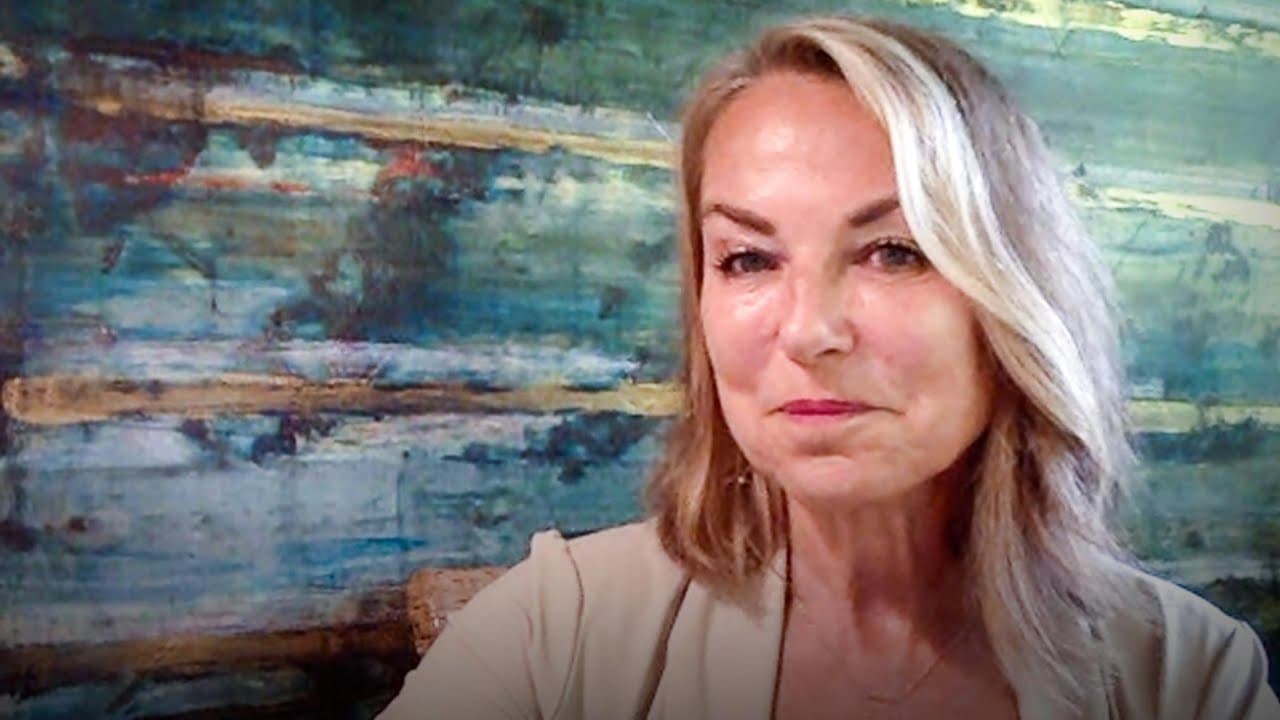
In this interview, Esther Perel discusses the impact of the pandemic on stress levels, the importance of recognizing and managing various emotions, and the need for routines, boundaries, and integration in the new work-from-home reality.
Transcript
Transcriber: Helen Walters: Hi Esther Perel, thank you so much for joining us and I want to get right to it. So we're more than a year into this pandemic now. And I think one constant, whether we're really acknowledging it or not, has been heightened stress levels, shall we say. So I'm sure you've seen this in your practice and in your work. And I... Read More
Key Insights
- 🔎 Stress is multidimensional and includes feelings of despair, anxiety, exhaustion, sadness, anger, and irritability. Understanding and naming these emotions can help regulate stress. Prolonged uncertainty adds to this stress by creating a sense of ambiguous loss and the loss of Eros (surprise, mystery, aliveness).
- 💡 Creating routines, rituals, and boundaries can help manage stress. Routines separate activities and roles, rituals create sacred time and space, and boundaries provide structure and groundedness.
- 🌱 Engaging with life and nature, such as observing plants grow or making something from nothing, can serve as an antidote to stress and deadness. Pets and children also bring surprise, mystery, and spontaneity to our lives.
- 🏠 Working from home blurs boundaries between roles, leading to a loss of community and a different experience for working parents. Communicating boundaries with partners and colleagues, carving out sacred spaces, and changing clothes to mark transitions can be helpful.
- 🌍 The merging of personal and work life in remote work has led to a shift in conversations, with people being more open about personal realities. This anti-small talk fosters connection and collective resilience.
- 🛠️ Productivity should not be measured solely by pre-pandemic standards. Embracing a sense of mutual reliance, interdependence, and connection can actually enhance productivity and reduce stress.
- 🤝 Managers are recognizing the importance of relational intelligence, mental health, and emotional vocabulary in the workplace. Creating spaces for anti-small talk conversations can deepen connections and increase resilience and productivity.
- 🏢 The pandemic has highlighted the importance of relational intelligence and mental health in the workplace. Work is now a place where people seek belonging, purpose, and development, and these needs will shape the future of work beyond technology and AI.
Install to Summarize YouTube Videos and Get Transcripts
Explore YouTube Video Summarizer or Get YouTube Transcript Extractor
Questions & Answers
Q: What are some recommendations for regulating stress effectively in the midst of the pandemic?
Esther Perel recommends breaking down stress into its different components, such as despair, anxiety, exhaustion, sadness, anger, and irritability. By naming and framing these feelings, individuals can better regulate and deal with them. Creating routines, rituals, and boundaries can also help manage stress.
Q: How does prolonged uncertainty impact people's lives during the pandemic?
Prolonged uncertainty creates a sense of ambiguous loss, where things are gone but still present. This loss prevents a sense of mourning. The pandemic has also led to a loss of Eros, as the emphasis on safety has diminished elements of surprise, mystery, and aliveness. These losses contribute to heightened stress levels.
Q: How can individuals establish new boundaries in the collapse of traditional roles and structures during the pandemic?
Esther Perel suggests communicating boundaries with partners and colleagues. Creating a sacred space or physical area for work can help delineate separations and provide a sense of groundedness. Changing clothes or engaging in rituals can also act as markers for transitions, despite the lack of traditional boundaries.
Q: How does the merging of personal and work lives affect our sense of connection and productivity?
The merging of personal and work lives during the pandemic has led to more authentic conversations and anti-small talk exchanges. By integrating personal realities into work conversations, a deeper sense of connection and resilience can be fostered. This, in turn, can positively impact productivity.
Q: How should managers approach their people and organizations in addressing the challenges of the pandemic?
Managers should emphasize relational intelligence, mental health, and wellness in the workplace. Creating spaces for open conversations about personal experiences and resources can deepen connections and foster resilience. Naming, framing, and responding creatively to stressors will help both individuals and organizations navigate this collective experience.
Q: What does the pandemic teach us about the future of work?
The pandemic has highlighted the importance of relational intelligence and mental health in the workplace. Work is no longer solely about making a living, but also about fulfilling fundamental existential needs. Maintaining humanity, social connections, and allowing individuals to bring their whole selves to work will redefine the future of the workplace, alongside the technological advancements like AI.
Summary & Key Takeaways
-
Stress is multidimensional and encompasses various emotions such as despair, anxiety, exhaustion, sadness, anger, and irritability.
-
Creating routines, rituals, and boundaries can help regulate stress and provide a sense of groundedness and structure.
-
The pandemic has blurred boundaries between work and home, and it's important to communicate boundaries with partners and colleagues to maintain a sense of self and reduce stress.
Read in Other Languages (beta)
Share This Summary 📚
Summarize YouTube Videos and Get Video Transcripts with 1-Click
Try YouTube Summary with ChatGPT & Claude or YouTube Transcript Generator
Explore More Summaries from TED 📚


Summarize YouTube Videos and Get Video Transcripts with 1-Click
Try YouTube Summary with ChatGPT & Claude or YouTube Transcript Generator