Does Free Will Exist? | Alfred Mele | Big Think
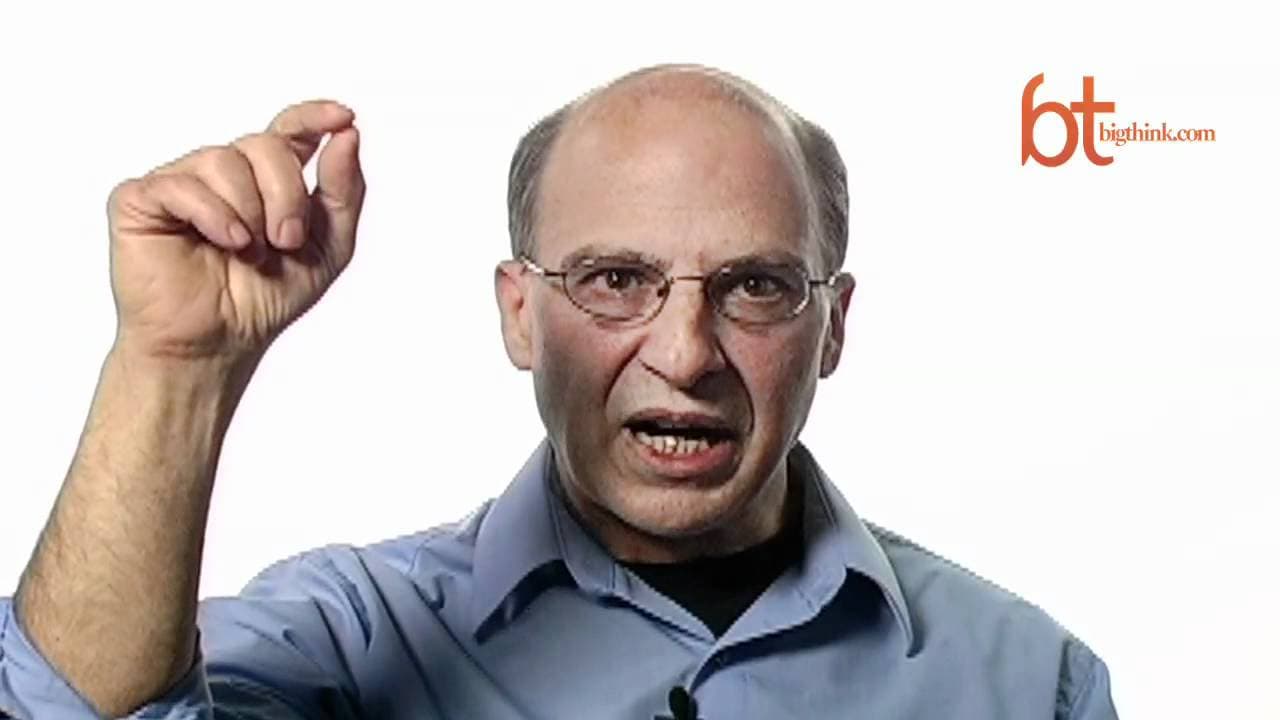
TL;DR
Philosopher Alfred Mele discusses the complexities of free will using experiments involving wrist flexing decisions.
Transcript
Question: Do human beings have free will? Alfred Mele: Yes. Yes they do. But it turns out that not everybody understands the expression “free will” in the same way. And there are lots of different ways of understanding it. Unfortunately, that makes it hard to just say, “Yes, this is true that isn’t.” One thing philosopher’s spend a lot of time doin... Read More
Key Insights
- ❓ Free will interpretations vary, causing complexities in understanding the concept.
- 💪 The wrist flexing experiments challenge traditional ideas of conscious decision-making.
- 🤗 Uncertainties in correlating brain activity with conscious decisions leave the free will debate open.
- 🥶 Free will discussions may need to consider broader, more meaningful actions in life.
Install to Summarize YouTube Videos and Get Transcripts
Explore YouTube Video Summarizer or Get YouTube Transcript Extractor
Questions & Answers
Q: How does Alfred Mele explain the concept of free will?
Alfred Mele breaks down free will into different levels, from regular free will to the ability to do otherwise based on historical philosophical perspectives.
Q: What is the main experiment Alfred Mele discusses in relation to free will?
Mele explains experiments where subjects make wrist flexing decisions, showing brain activity precedes conscious awareness, challenging traditional views of free will causation.
Q: What are the potential mistakes in interpreting the results of the wrist flexing experiment?
Mele points out issues with correlating brain activity spikes with conscious decisions, questioning the causality of the early brain activity measured in the experiments.
Q: How does Alfred Mele address the broader implications of the free will debate?
Mele suggests that the experiments focus on trivial actions like wrist flexing, indicating that free will might be more relevant in significant life decisions, not just simple tasks.
Summary & Key Takeaways
-
Alfred Mele explores the concept of free will and its various interpretations.
-
The experiments conducted involve subjects making wrist flexing decisions based on brain activity.
-
Mele argues that while these experiments suggest no free will, they do not conclusively prove it.
Read in Other Languages (beta)
Share This Summary 📚
Summarize YouTube Videos and Get Video Transcripts with 1-Click
Try YouTube Summary with ChatGPT & Claude or YouTube Transcript Generator
Explore More Summaries from Big Think 📚



Summarize YouTube Videos and Get Video Transcripts with 1-Click
Try YouTube Summary with ChatGPT & Claude or YouTube Transcript Generator