Black Market Economics - What Drives the Underground Economy?
TL;DR
The underground economy is vast, influential, and impacts global economies.
Transcript
The underground economy is one of the largest and most influential markets in the world The sale of everything outside of the law is by its very nature hard to track, but reputable sources peg it well into the trillions of dollars per year. That’s bigger than the market for fast food, movies, fashion, and smartphones, combined twice over. This ... Read More
Key Insights
- The underground economy is massive, with estimates placing its value in the trillions annually, surpassing many major legitimate industries.
- Black markets arise due to regulatory rigidities, where goods are illegal to buy or sell, leading to high-risk, high-cost transactions.
- Counterfeit goods form a significant part of the black market, undermining intellectual property rights and innovation incentives.
- Price controls by governments, such as taxes or price ceilings, can create opportunities for black markets to flourish.
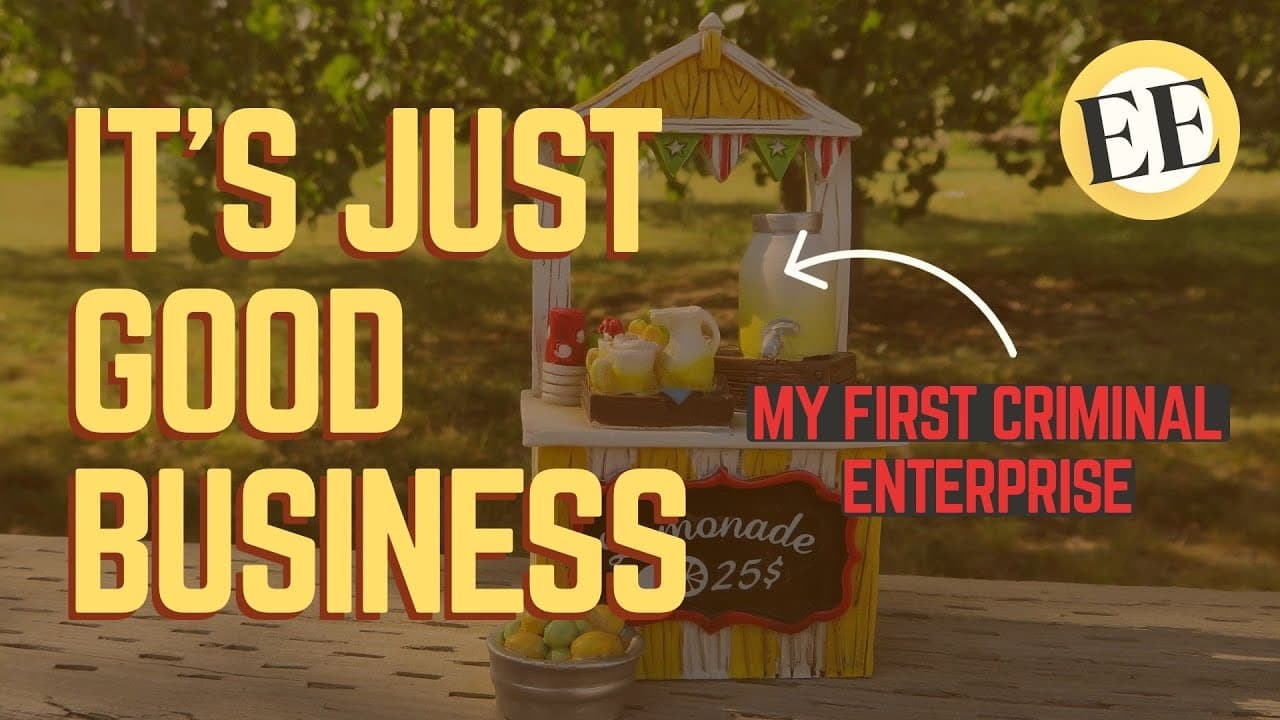
- The black market includes seemingly benign activities like unlicensed lemonade stands, impacting economic statistics and policy decisions.
- Economists use creative methods to estimate the size of the underground economy, such as comparing energy output to GDP.
- Illegal labor markets can depress wages and working conditions for all workers, impacting broader economic health.
- Understanding and acknowledging the black market's influence can lead to better economic policies and potentially personal profit.
Install to Summarize YouTube Videos and Get Transcripts
Explore YouTube Video Summarizer or Get YouTube Transcript Extractor
Questions & Answers
Q: What is the size of the underground economy compared to legitimate industries?
The underground economy is estimated to be worth trillions of dollars annually, surpassing the combined markets of fast food, movies, fashion, and smartphones. Its vast size and influence have significant implications for national economies, rivaling even natural gas revenues worldwide.
Q: How do regulatory rigidities contribute to the black market?
Regulatory rigidities create black markets by making certain goods and services illegal to buy or sell. This results in high-risk transactions with cost premiums due to the lack of legal enforcement, making the black market a lucrative yet perilous domain for those involved.
Q: Why are counterfeit goods significant in the black market?
Counterfeit goods are a major part of the black market, rivaling the drug trade in size. They undermine intellectual property rights, allowing copycats to profit without investing in development. This undercuts genuine innovation, reducing incentives for research and development and harming economic growth.
Q: How do price controls lead to black market activities?
Price controls, such as high taxes or price ceilings, create opportunities for black markets by making legal goods more expensive or scarce. For example, high taxes on tobacco in Australia lead to illegal imports sold at lower prices, while price ceilings on oil can result in black market fuel sales.
Q: What benign activities are part of the underground economy?
Seemingly benign activities like unlicensed lemonade stands or cash-in-hand work are part of the underground economy. These activities are often unreported to tax agencies, affecting labor statistics and economic policy decisions due to their impact on the overall economy.
Q: How do economists estimate the size of the underground economy?
Economists use creative methods to estimate the underground economy's size, such as forensic finance, aerial photography, and comparing energy output to GDP. These methods help account for unreported economic activities, providing a more accurate picture of economic conditions.
Q: What impact does illegal labor have on the economy?
Illegal labor markets depress wages and working conditions for all workers by providing a pool of labor willing to work below minimum wage. This puts downward pressure on legitimate employment standards, affecting overall economic health and labor market dynamics.
Q: How can understanding the black market improve economic policies?
Recognizing the black market's influence allows for better economic policies by accounting for its impact on legitimate markets. This understanding can lead to more effective regulations, improved economic models, and even personal profit opportunities by navigating market inefficiencies.
Summary & Key Takeaways
-
The underground economy is vast, impacting global economies with its trillions of dollars in transactions annually. It arises from regulatory rigidities where illegal goods and services are traded, posing significant economic and social consequences.
-
Counterfeit goods and price controls contribute to the black market's growth, affecting innovation and market efficiency. Economists use various methods to estimate its size, which is crucial for accurate economic modeling and policy-making.
-
Illegal labor markets within the underground economy can negatively impact wages and working conditions. Recognizing the black market's influence can improve economic policies and offer opportunities for those willing to navigate its complexities.
Read in Other Languages (beta)
Share This Summary 📚
Summarize YouTube Videos and Get Video Transcripts with 1-Click
Try YouTube Summary with ChatGPT & Claude or YouTube Transcript Generator
Explore More Summaries from Economics Explained 📚


Summarize YouTube Videos and Get Video Transcripts with 1-Click
Try YouTube Summary with ChatGPT & Claude or YouTube Transcript Generator