What Are the Key Issues in the Standing Rock Resistance?
TL;DR
The Standing Rock resistance highlights the enduring trauma faced by Indigenous peoples, particularly due to climate change and fossil fuel extraction. It emphasizes the need for education about Native rights and history, the violence against Indigenous women, and the importance of solidarity in fighting against oppression. Standing together can produce significant impacts and changes in societal understanding.
Transcript
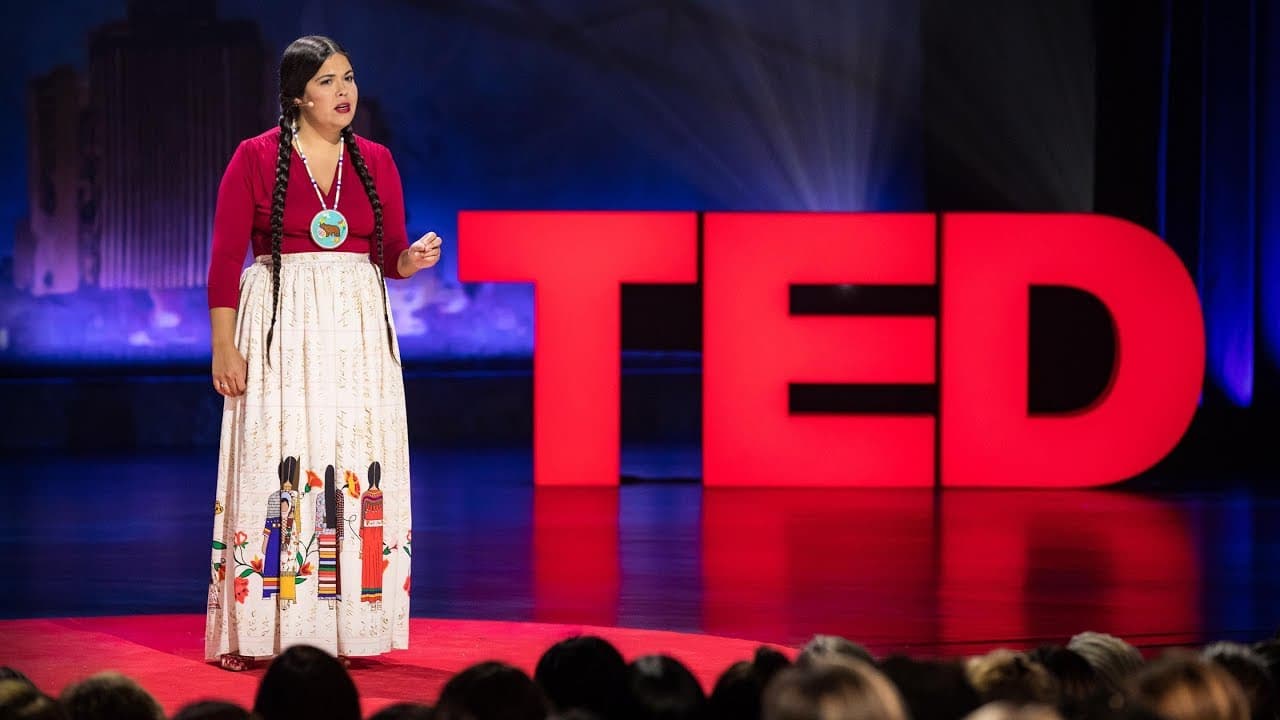
[Ojibwe: Hello. My English name is Tara; my Native name is Zhaabowekwe. I am of Couchiching First Nation; my clan is bear. I was born under the Maple Sapping Moon.] My name is Tara Houska, I'm bear clan from Couchiching First Nation, I was born under the Maple Sapping Moon in International Falls, Minnesota, and I'm happy to be here with all of you.... Read More
Key Insights
- 🌍 Indigenous peoples face a long history of trauma and oppression, leading to a lack of understanding about their identity today.
- 📚 The education system largely fails to accurately depict Native American history, with 87% of references in children's textbooks being pre-1900s and minimal mention of tribal diversity.
- 🗣 Racist imagery persists in popular culture, reinforcing harmful stereotypes and undermining the agency of Native Americans, making it easier to disregard their rights.
- 🌎 Indigenous peoples are disproportionately affected by climate change and the fossil fuel industry, with Native communities being displaced and experiencing human rights violations.
- ♀️ Violence against indigenous women, including missing and murdered cases, is a significant issue in both the US and Canada, and receives inadequate attention and resources.
- ⚖️ The United States Supreme Court's 1978 ruling severely limited indigenous tribes' prosecutorial abilities, resulting in a lack of justice for Native victims of crime.
- 🌾 Standing Rock Sioux Reservation's resistance against a pipeline project showcased indigenous resilience and unity, with global allies supporting their cause.
- 🔬 Indigenous peoples hold a range of professions and skills, and educating oneself about their rich culture and upholding treaty obligations can lead to meaningful change.
Install to Summarize YouTube Videos and Get Transcripts
Explore YouTube Video Summarizer or Get YouTube Transcript Extractor
Questions & Answers
Q: What is the significance of the Maple Sapping Moon in the speaker's introduction?
The Maple Sapping Moon is mentioned to provide information about the speaker's Native background and lineage. It signifies the speaker's connection to her Ojibwe culture and traditions.
Q: What challenges do indigenous peoples face in today's society?
Indigenous peoples face challenges such as centuries of oppression, isolation, and invisibility, which have led to a muddled understanding of who they are today. They often encounter stereotypes and a lack of accurate representation, which makes it easier for their rights to be disregarded and overlooked.
Q: How does racist imagery impact indigenous communities?
Racist imagery, such as the use of Indian heads and the "redskin" slur in sports, perpetuates harmful stereotypes and undermines the rights and dignity of indigenous peoples. It contributes to a narrative that portrays them as incapable and undeserving of managing their own affairs, thus hindering their progress and self-determination.
Q: Why did the resistance at Standing Rock resonate with so many people worldwide?
The resistance at Standing Rock resonated with people worldwide because indigenous peoples are disproportionately impacted by climate change and the fossil-fuel industry. Additionally, the brutal tactics used by authorities, such as dogs being unleashed on peaceful protestors, highlighted the ongoing injustices faced by indigenous communities and ignited a global movement for indigenous rights and environmental justice.
Summary & Key Takeaways
-
The speaker, Tara Houska, is a member of the Couchiching First Nation and emphasizes the generational trauma faced by indigenous peoples due to centuries of oppression and invisibility.
-
She highlights the importance of addressing the muddled understanding of indigenous peoples and the need to unteach the accepted narrative, particularly in education where 87% of references to Native Americans in textbooks are pre-1900s.
-
Houska discusses her experiences at Standing Rock and emphasizes the impact of climate change and fossil fuel industries on indigenous communities, as well as the lack of protection for Native women and the need for unity and resistance.
Read in Other Languages (beta)
Share This Summary 📚
Summarize YouTube Videos and Get Video Transcripts with 1-Click
Try YouTube Summary with ChatGPT & Claude or YouTube Transcript Generator
Explore More Summaries from TED 📚



Summarize YouTube Videos and Get Video Transcripts with 1-Click
Try YouTube Summary with ChatGPT & Claude or YouTube Transcript Generator