How Do Institutions Select and Evaluate Alternative Asset Managers?
TL;DR
Institutions select alternative asset managers by focusing on the integrity and consistency of their process, emphasizing three key factors: people, process, and philosophy. They employ both quantitative and qualitative analyses, ensuring that managers can adapt and deliver across various economic cycles. Transparency and education about the investment's benefits are critical in managing stakeholder concerns.
Transcript
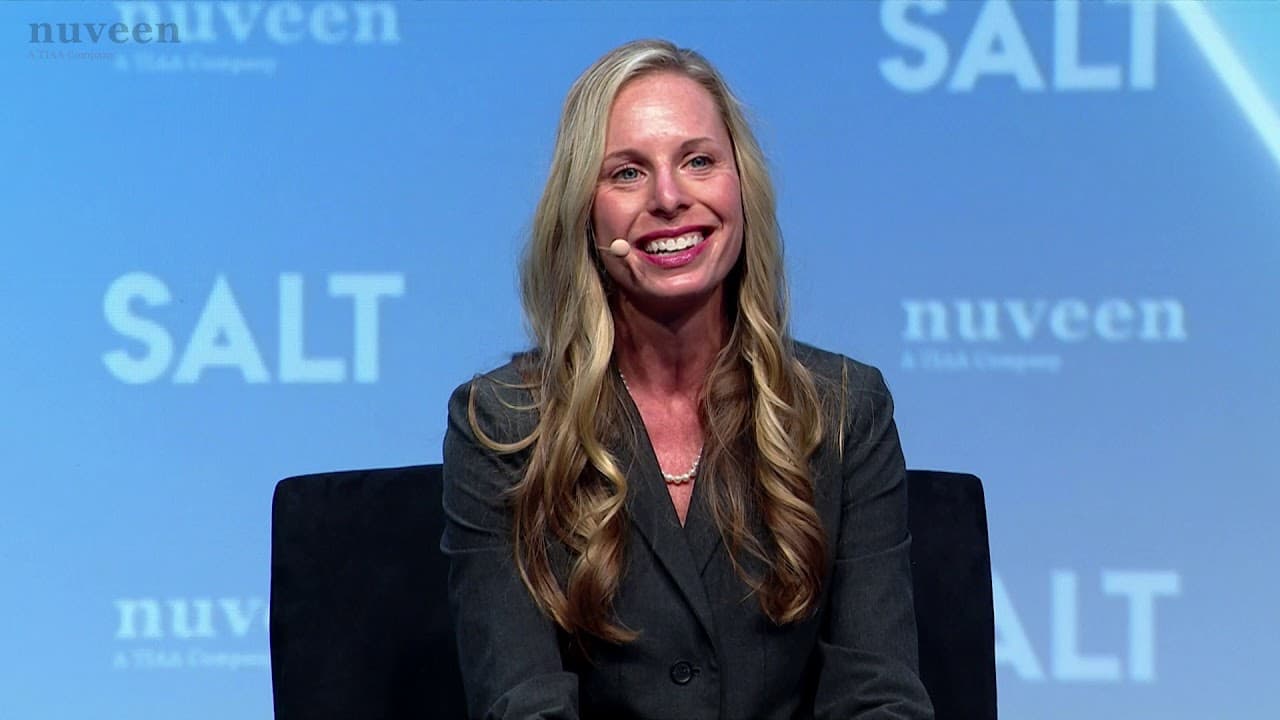
struck him out timing maybe Pam standing with you can you educate us about the actual process of managers selection from your personal experience various vantage points when you hire them to do the job how do you how do you go about that process sure when it comes to manager selection so by that time you already have a strategic asset allocation so... Read More
Key Insights
- 🧑🏭 The process of manager selection involves analyzing factors like performance, risk analysis, and alignment with long-term goals.
- ❓ The integrity and consistency of a manager's process are essential considerations in the selection process.
- 😥 Quantitative analysis is a starting point, but qualitative evaluation is necessary for assessing a manager's ability to perform across different economic cycles.
- 🖤 Trustees of public funds may have concerns about hedge fund investments due to the lack of transparency, but educating them about the benefits is important.
- ❓ Terminating a manager is a costly decision that is only made when the trust is violated or necessary reporting is not provided.
- ❓ ESG considerations and sustainability are increasingly important in manager selection.
- 🏛️ Building a disciplined and transparent relationship with managers is vital to successful selection and ongoing evaluation.
Install to Summarize YouTube Videos and Get Transcripts
Explore YouTube Video Summarizer or Get YouTube Transcript Extractor
Questions & Answers
Q: What factors are considered during the manager selection process?
The manager selection process considers factors like performance, risk analysis, and the alignment of a manager's process with long-term investment goals. People, process, and philosophy are crucial considerations.
Q: How important is qualitative evaluation in manager selection?
While quantitative analysis provides a starting point, qualitative evaluation is necessary to assess a manager's ability to follow their process and deliver consistent results. It helps determine if a manager can perform across different economic environments.
Q: How do trustees of public funds perceive hedge fund investments?
Trustees may have concerns about hedge fund investments due to the lack of transparency. Educating trustees about the benefits of diversification, risk mitigation, and low volatility provided by hedge funds is crucial.
Q: What are common reasons for terminating a manager?
Managers may be terminated if they violate the trust or fail to provide necessary reporting or transparency. Trust and integrity play key roles in the ongoing evaluation of managers.
Summary & Key Takeaways
-
The manager selection process involves using a database or personal network to create a shortlist of potential candidates based on factors like performance and risk analysis.
-
Emphasis is placed on three key factors: people, process, and philosophy. The integrity and consistency of a manager's process are crucial considerations.
-
Quantitative analysis is used as a starting point, but qualitative evaluation is also necessary to assess a manager's ability to perform across different economic cycles.
Read in Other Languages (beta)
Share This Summary 📚
Summarize YouTube Videos and Get Video Transcripts with 1-Click
Try YouTube Summary with ChatGPT & Claude or YouTube Transcript Generator
Explore More Summaries from SALT 📚






Summarize YouTube Videos and Get Video Transcripts with 1-Click
Try YouTube Summary with ChatGPT & Claude or YouTube Transcript Generator