What Questions Should We Ask About Nuclear Weapons?
TL;DR
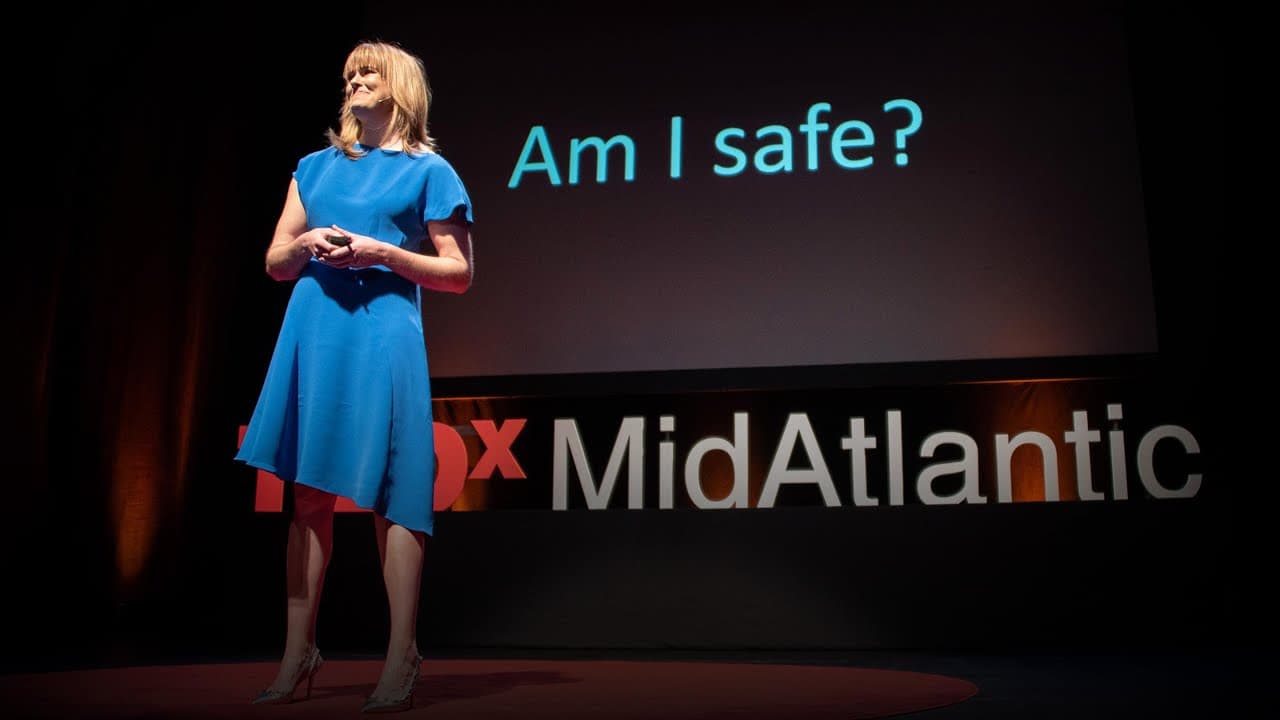
To better understand nuclear risks, we should ask: How much risk are you willing to take? Who should make nuclear decisions? And what do elected officials know about nuclear weapons? Engaging in these discussions can empower individuals to demand accountability and push for a reevaluation of current policies.
Transcript
So you know when you're doubled over in pain and you're wondering, is it your appendix or maybe you ate something funny? Well, when that happens to me, I call my friend Sasha -- Sasha is a doctor -- and I say, "Should I rush to the nearest emergency room in a panic? Or am I OK to relax and just wait it out?" Yes, I am that annoying friend. But in S... Read More
Key Insights
- 👻 Despite concerns about North Korea, people often overlook the ongoing threat of nuclear weapons in their daily lives.
- ⚕️ Friends sought reassurance about their safety during the North Korea crisis, highlighting the fundamental question of personal safety.
- 🌍 Many people lack knowledge about nuclear weapons due to their decreasing prominence after the Cold War.
- 🤔 People prefer to focus on areas of their lives where they feel more control, leading to a lack of attention paid to nuclear weapons.
- 💣 The global stockpile of nuclear weapons remains high, with the US and Russia possessing the vast majority.
- 🤖 New technologies, such as AI-powered robots, may introduce additional risks and challenges in the context of nuclear weapons.
- 🌍 Threats like terrorism, cyberattacks, and miscommunication heighten concerns about the possibility of a nuclear catastrophe.
- ❓To address nuclear risks, individuals should question nuclear policy, decision-making authority, and the knowledge and actions of elected officials.
Install to Summarize YouTube Videos and Get Transcripts
Explore YouTube Video Summarizer or Get YouTube Transcript Extractor
Questions & Answers
Q: Why were people calling the speaker in September 2017?
People were calling the speaker in September 2017 because they were concerned about the escalating tensions between North Korea and the United States, fearing a potential war or nuclear weapons use.
Q: Why do people tend to avoid thinking or talking about nuclear weapons?
People tend to avoid thinking or talking about nuclear weapons because they find it scary, overwhelming, and feel they have little control over the situation. Additionally, nuclear experts often use complex jargon, making the topic inaccessible and causing people to tune out.
Q: How many nuclear weapons are there in the world today?
According to the speaker, there are currently almost 15,000 nuclear weapons in the world, with the United States and Russia possessing over 90 percent of them. Other countries have far fewer nuclear weapons.
Q: What potential challenges do new technologies bring in relation to nuclear weapons?
New technologies bring potential challenges in relation to nuclear weapons, such as the possibility of countries relying on robots and algorithms to make decisions about nuclear strikes. This, coupled with the threat of terrorism, cyberattacks, and miscalculations, adds to the list of nuclear nightmares.
Q: What are three important questions that need to be asked about nuclear weapons?
The three important questions that need to be asked about nuclear weapons are:
- How much nuclear risk are you willing to take or tolerate?
- Who should make nuclear decisions?
- What do your elected officials know about nuclear weapons, and what decisions are they likely to take on your behalf?
Summary & Key Takeaways
-
The speaker describes how people often overlook the threat of nuclear weapons due to fear, lack of knowledge, and a sense of powerlessness.
-
The speaker urges individuals to ask important questions about nuclear weapons, including the level of risk they are willing to tolerate, who should make nuclear decisions, and what elected officials know about nuclear weapons.
-
The speaker emphasizes the importance of public pressure and civic participation in driving change and urges individuals to demand answers from elected representatives.
Read in Other Languages (beta)
Share This Summary 📚
Summarize YouTube Videos and Get Video Transcripts with 1-Click
Try YouTube Summary with ChatGPT & Claude or YouTube Transcript Generator
Explore More Summaries from TED 📚

Summarize YouTube Videos and Get Video Transcripts with 1-Click
Try YouTube Summary with ChatGPT & Claude or YouTube Transcript Generator