What it takes to make change | Jacqueline Novogratz
TL;DR
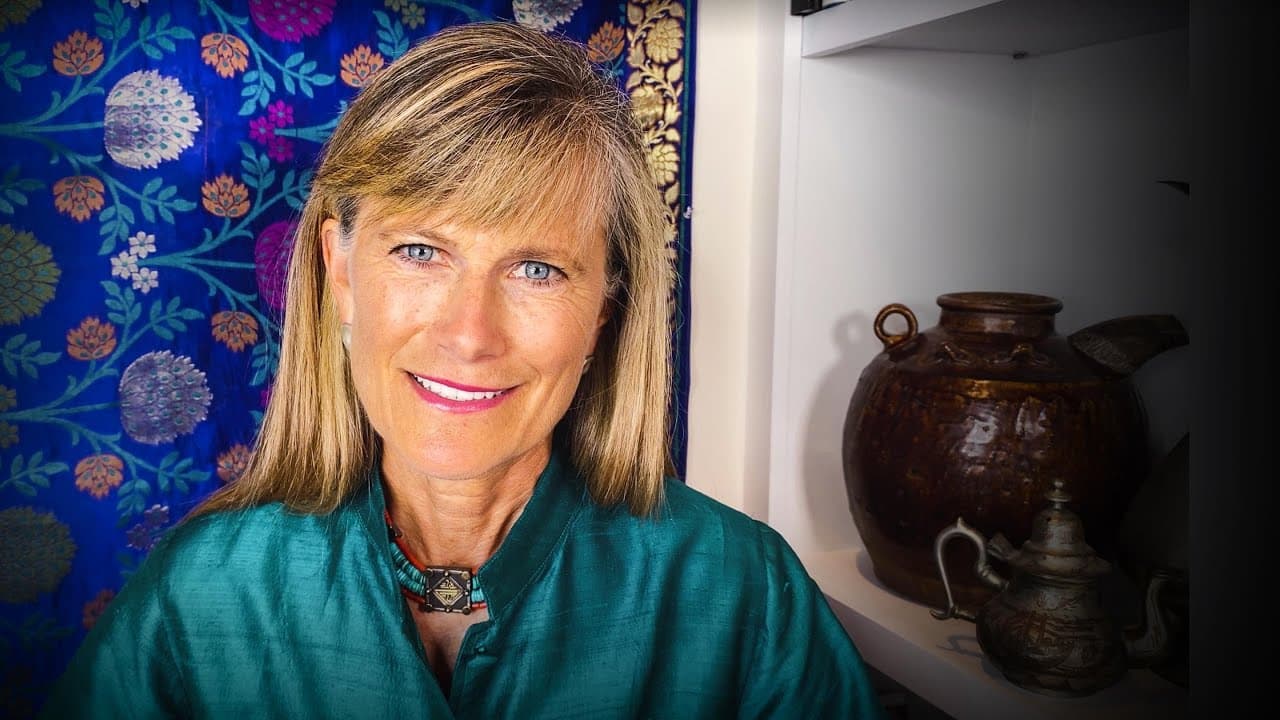
In this content, the speaker reflects on her experiences in Rwanda, discusses the need for a moral revolution, and emphasizes the importance of moral imagination, holding opposing values in tension, and accompaniment in creating positive change.
Transcript
A few years ago, I found myself in Kigali, Rwanda presenting a plan to bring off-grid solar electricity to 10 million low-income East Africans. As I waited to speak to the president and his ministers, I thought about how I'd arrived in that same place 30 years before. A 25-year-old who left her career in banking to cofound the nation's first microf... Read More
Key Insights
- 🌍 A young woman going on to lead Rwanda's financial sector shows the progress and potential for positive change within a generation.
- 📝 Moral revolution is necessary, where shared humanity and the sustainability of the earth are prioritized over money, power, and fame.
- 🌱 Moral imagination is crucial for designing solutions that truly address the needs of others, seeing them as equals and understanding their struggles.
- 🤝 Holding opposing values in tension and partnering with adversaries can lead to principled decisions and transformative outcomes.
- 💡 Accompaniment, or walking alongside others, is essential for empowering individuals and communities to solve their own problems.
- 🥇 Success should be redefined to include the well-being and inclusion of the poor and vulnerable, not solely profit or shareholder value.
- 😃 Discomfort is a sign of progress and change, and beauty can be found even in the darkest and most challenging times.
- 🌟 Each individual has the power to contribute to the world and make a positive impact, starting today and throughout their lifetime.
Install to Summarize YouTube Videos and Get Transcripts
Explore YouTube Video Summarizer or Get YouTube Transcript Extractor
Questions & Answers
Q: What was the speaker's initial plan in Kigali, Rwanda?
The speaker's initial plan in Kigali, Rwanda was to present a plan to bring off-grid solar electricity to 10 million low-income East Africans.
Q: Why did the speaker feel a sense of connection to Rwanda?
The speaker felt a sense of connection to Rwanda because she had previously co-founded the nation's first microfinance bank with a small group of Rwandan women and witnessed the progress and challenges faced by women in the country.
Q: How did the speaker feel when a young woman approached her before her presentation?
The speaker felt emotional when a young woman approached her before her presentation because she recognized the woman as the niece of one of the first women parliamentarians in the country, who was also a co-founder of the microfinance bank but had tragically died.
Q: What does the speaker believe is necessary for creating change in the world?
The speaker believes that creating change in the world requires a mind shift and a moral revolution. It entails prioritizing the sustainability of the earth and putting shared humanity at the center of systems, rather than solely focusing on money, power, and fame.
Q: How does moral imagination play a role in creating change?
Moral imagination plays a crucial role in creating change by helping individuals see others as equals, understanding their challenges and barriers, and questioning one's own assumptions. It involves deep listening, empathy, and the ability to envision practical solutions that truly address the needs of others.
Q: What does the speaker emphasize about holding opposing values in tension?
The speaker emphasizes that holding opposing values in tension is important for finding creative and sustainable solutions. It requires acknowledging the benefits and risks of different perspectives, especially when it comes to areas such as business and social impact. Striking the right balance between profitability and inclusivity is a crucial aspect of this principle.
Q: What is "accompaniment" and why does it matter in creating change?
"Accompaniment" refers to the act of walking alongside others, providing support, guidance, and encouragement while empowering them to find their own solutions. It matters in creating change because it fosters a sense of trust, belonging, and self-efficacy. By accompanying individuals or communities, one can amplify their voices and help them unlock their potential.
Q: How does the speaker view discomfort and what role does it play in driving change?
The speaker views discomfort as a proxy for progress, as it is in difficult and challenging times that real change occurs. Embracing discomfort and facing adversity can lead to personal growth, resilience, and the opportunity to effect meaningful change in the world.
Q: What does the speaker mention about finding beauty in the darkest times?
The speaker mentions that even in the darkest times, there is always beauty to be found. It is in moments of struggle and despair that human beings have the chance to express themselves through art, music, poetry, and acts of kindness. Finding beauty in these moments brings hope and helps drive collective transformation.
Summary & Key Takeaways
-
The speaker reflects on her journey in Rwanda, from co-founding a microfinance bank to witnessing the genocide, and is inspired by meeting the deputy governor of Rwanda's National Bank.
-
She believes that a moral revolution is needed, where success is defined by shared humanity and sustainability, not money, power, and fame.
-
The speaker discusses the principles of moral imagination, holding opposing values in tension, and accompaniment as key elements in creating meaningful change in the world.
Read in Other Languages (beta)
Share This Summary 📚
Summarize YouTube Videos and Get Video Transcripts with 1-Click
Try YouTube Summary with ChatGPT & Claude or YouTube Transcript Generator
Explore More Summaries from TED 📚
Summarize YouTube Videos and Get Video Transcripts with 1-Click
Try YouTube Summary with ChatGPT & Claude or YouTube Transcript Generator