What Are Common Misconceptions About Deaf People?
TL;DR
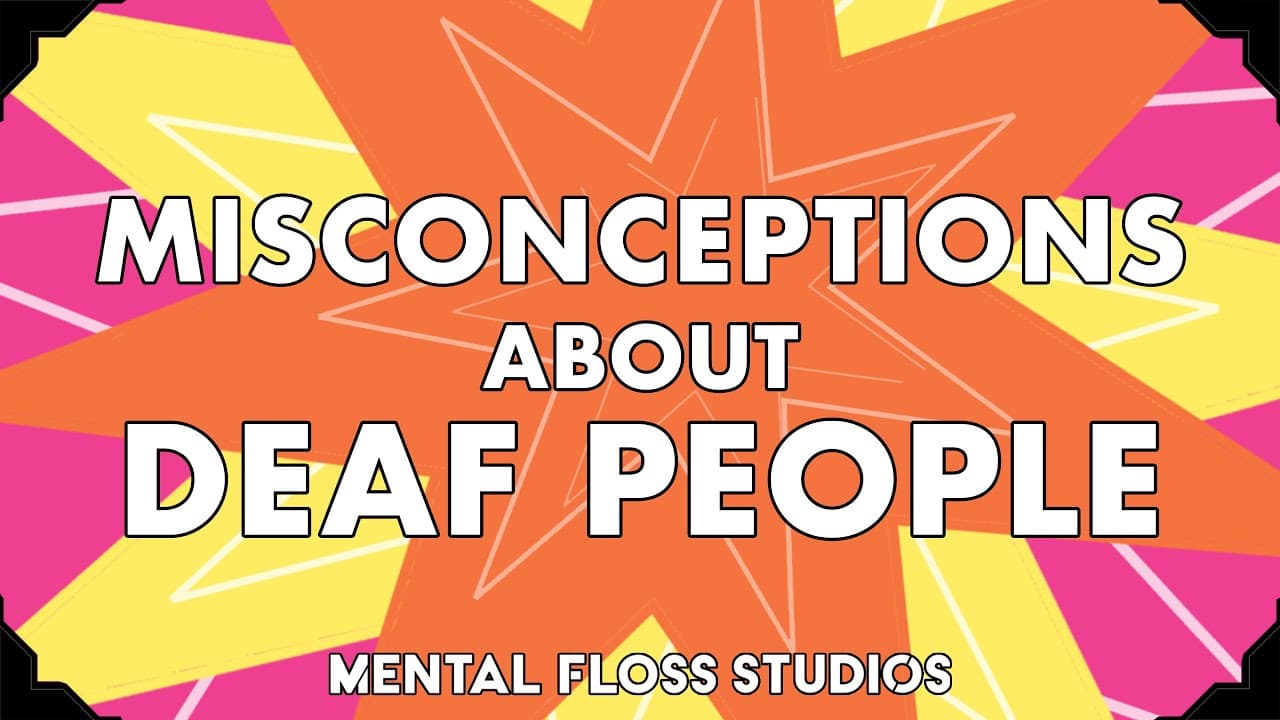
Common misconceptions about deaf people include the belief that all of them can lip-read, use sign language universally, or cannot drive. In reality, communication preferences vary among deaf individuals, and many do not rely on lip-reading or sign language. It's important to recognize and respect these differences to foster better understanding and communication.
Transcript
can you read my lips well no i can't write it down or type it out on your smartphone no but just try just try maybe now with the pandemic and a lot of people wear a mouse people will finally stop asking about this fact an extremely good lip reader deaf or not will probably catch less than 50 percent of the words a person speaks that's more than hal... Read More
Key Insights
- 🌷 Lip-reading accuracy is significantly lower than commonly thought, leading to communication challenges.
- ❓ Sign language is not universal, with variations across different countries and regions.
- 🙉 Deaf people have diverse communication preferences, with not all using sign language as their primary mode.
- 💅 Cochlear implants are not a cure-all solution for deafness.
- 🏑 Deaf individuals can excel in various fields and professions, debunking stereotypes about their capabilities.
- 🙉 Deaf individuals prefer to be called deaf rather than "hearing impaired," as the latter term is seen as offensive and derogatory.
- 💋 Communication methods should be tailored to individual preferences, whether through sign language, writing, or lip reading.
Install to Summarize YouTube Videos and Get Transcripts
Explore YouTube Video Summarizer or Get YouTube Transcript Extractor
Questions & Answers
Q: Why is lip-reading accuracy lower than expected?
Lip-reading is highly inaccurate, with even skilled lip readers capturing less than 50% of spoken words due to missing visual cues and context.
Q: Is sign language universal?
No, sign language varies by country and region, with American Sign Language (ASL) being distinct from other signed languages like Japanese Sign Language.
Q: Can all deaf people speak?
Not all deaf individuals can speak, and some prefer sign language as their primary mode of communication due to personal preference and ease of expression.
Q: Are cochlear implants a cure-all for deafness?
Cochlear implants are not a cure-all, and deaf children benefit from a combination of resources, including sign language, to maximize their potential and language development.
Summary & Key Takeaways
-
Deaf individuals discuss common misconceptions about their community.
-
Lip-reading accuracy is much lower than perceived, leading to communication difficulties.
-
Sign language is not universal, and not all deaf people use it as their primary mode of communication.
Read in Other Languages (beta)
Share This Summary 📚
Summarize YouTube Videos and Get Video Transcripts with 1-Click
Try YouTube Summary with ChatGPT & Claude or YouTube Transcript Generator
Explore More Summaries from Mental Floss 📚



Summarize YouTube Videos and Get Video Transcripts with 1-Click
Try YouTube Summary with ChatGPT & Claude or YouTube Transcript Generator