Fifty Years of Conservation Areas - Simon Thurley, Desmond Fitzpatrick and Lester Hillman
TL;DR
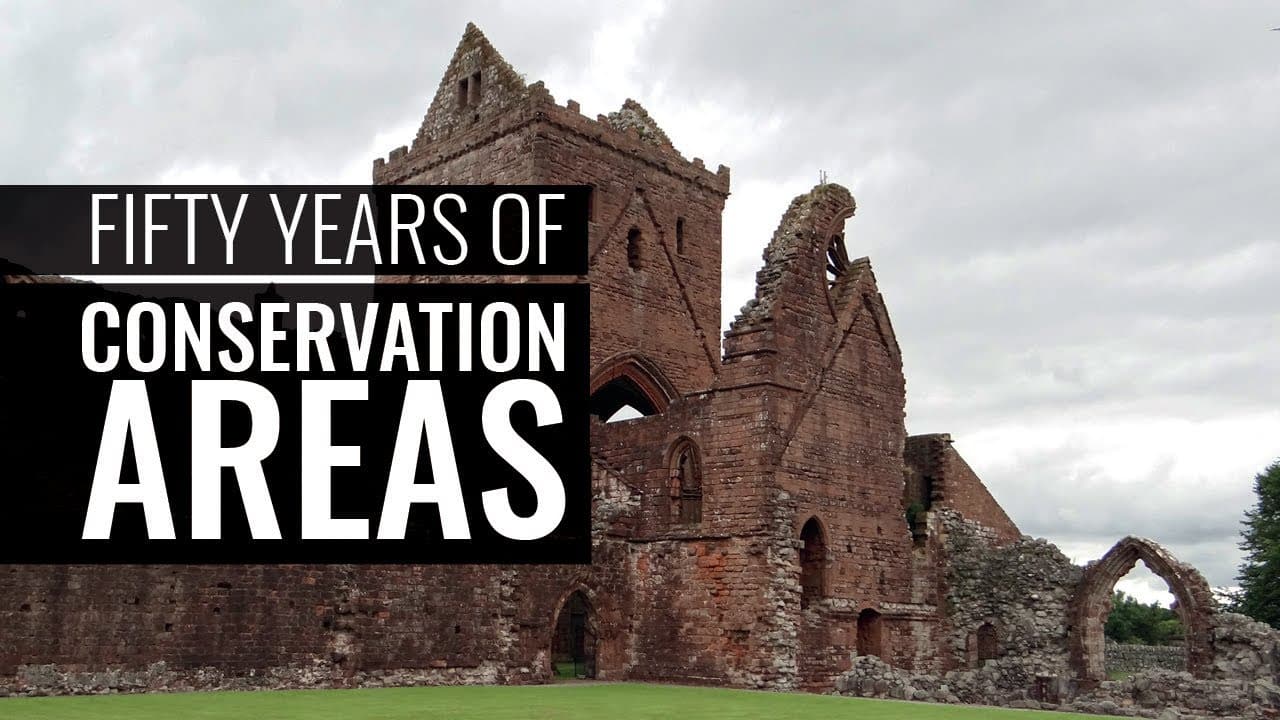
50 years of conservation areas shaped by grassroots efforts, legislative changes, and challenges in preserving heritage amidst modern development.
Transcript
ladies and gentlemen may I first say what a great honor it is to be invited to speak on the mere excuse of having spent 27 years on a Conservation Area Advisory Committee I'm sure that people with a longer or maybe a shorter but Becca better record than I have it was also an immense honor to share a platform as it were with Simon surly whose work I... Read More
Key Insights
- 🍝 Grassroots efforts, legislative changes, and challenges in preserving heritage have shaped conservation areas over the past 50 years.
- ❓ Effective implementation of conservation measures relies on consultation, careful planning, and enforcement mechanisms.
- 🥹 Local authorities hold powers to protect conservation areas through Article 4 directions, Section 215 notices, and planning guidance.
- ❓ Decision-making in conservation areas can be influenced by financial considerations, community benefits, and infrastructure development.
- 🤩 The legacy of key figures like Antony Crossman, Duncan Sands, and John Smith continues to impact preservation efforts in conservation areas.
- ❓ Ongoing monitoring and assessment of conservation areas are vital to ensuring their preservation and character.
- 🤩 Balancing heritage preservation with development interests remains a key challenge for local planning committees.
Install to Summarize YouTube Videos and Get Transcripts
Explore YouTube Video Summarizer or Get YouTube Transcript Extractor
Questions & Answers
Q: How did the concept of conservation areas originate?
Conservation areas were born out of grassroots efforts to preserve historic areas in the face of destructive urban planning trends post-WWII, enabling the protection of whole areas rather than individual buildings.
Q: What roles did figures like Antony Crossman, Duncan Sands, and John Smith play in shaping conservation areas?
Antony Crossman and Duncan Sands worked to pass the Civic Amenities Act in 1967, creating conservation areas, while John Smith's financial and political support helped establish legislation to preserve historic areas.
Q: What are some challenges faced in enforcing conservation within conservation areas?
Challenges include the influence of development interests, the need for strong enforcement by local planning committees, and the potential impact of cash-driven decisions through community infrastructure levies.
Q: How are conservation areas assessed and monitored for their condition?
Historic England conducts regular surveys to assess the condition of conservation areas, identifying areas that may be at risk due to degradation, unsympathetic development, and neglect.
Summary & Key Takeaways
-
Conservation areas originated from grassroots efforts in the face of destructive urban planning trends post-WWII.
-
Legislation introduced through the Civic Amenities Act in 1967 allowed for the preservation of historic areas rather than just individual buildings.
-
Current challenges include enforcing conservation, balancing development interests, and maintaining the character of conservation areas.
Read in Other Languages (beta)
Share This Summary 📚
Summarize YouTube Videos and Get Video Transcripts with 1-Click
Try YouTube Summary with ChatGPT & Claude or YouTube Transcript Generator
Explore More Summaries from Gresham College 📚

Summarize YouTube Videos and Get Video Transcripts with 1-Click
Try YouTube Summary with ChatGPT & Claude or YouTube Transcript Generator