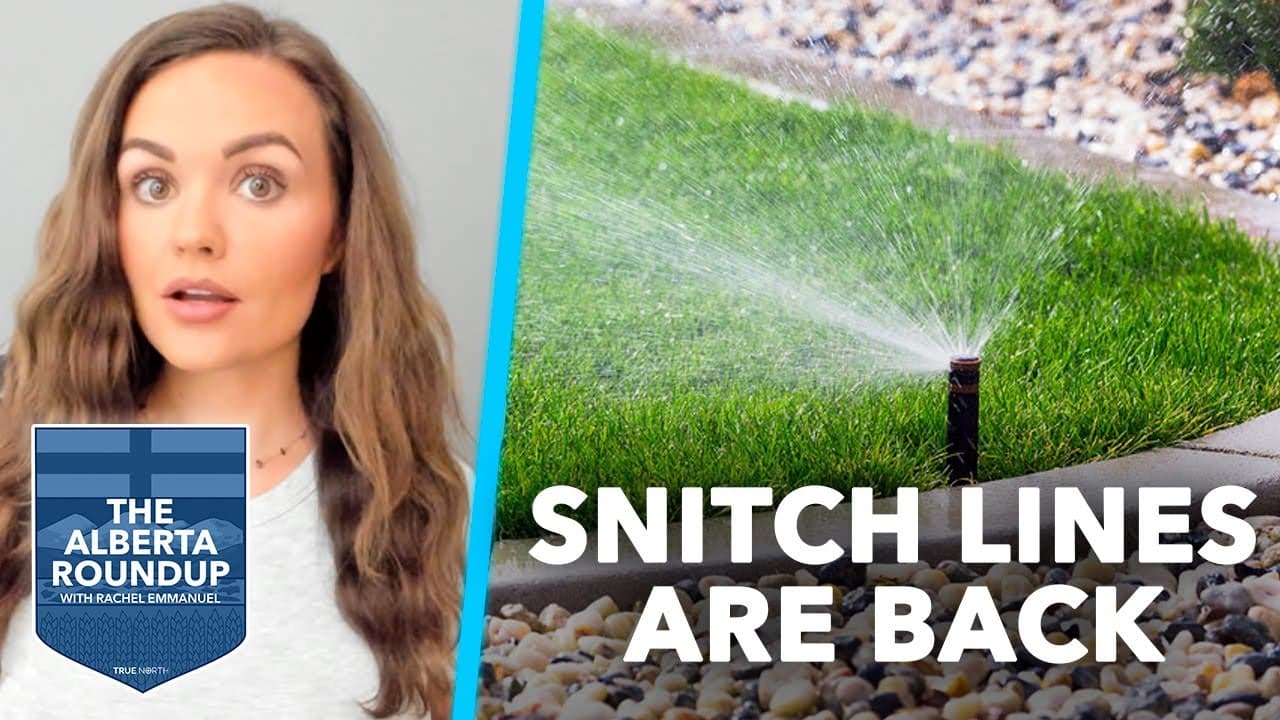
Calgarians turn to pandemic-era snitch lines
TL;DR
Calgary residents face water conservation restrictions amid repairs, leading to neighbor complaints and fines.
Transcript
if you thought that pandemi Eric snitching hotlines had been done away with along with masks and a virus that apparently has no symptoms you'd be wrong the City of Calgary is now warning residents that they will be required to conserve water for 3 to 5 weeks as it turns out that a major water feed main that requires repairs also needs to be fixed i... Read More
Key Insights
- 🥺 Calgary’s water crisis has led to a call for extensive conservation efforts that will span several weeks, impacting daily life significantly.
- 💦 Nearly 2,000 residents have reported their neighbors for water usage violations, illuminating tensions within community relationships during a crisis.
- 🏙️ The shift from education to ticketing for violators represents a more aggressive enforcement strategy by city officials in response to public outcry.
- 💦 Structural issues in Calgary’s water infrastructure are highlighted by the identification of five additional “hotspot” repair locations.
- 🤨 The sourcing of materials from distant locations raises questions about local infrastructure preparedness and the effectiveness of maintenance protocols.
- ❓ The response to this crisis illustrates the fragility of trust between the government and citizens, especially concerning enforcement measures.
- 🥺 Ongoing governmental reviews offer little immediate hope for systemic change, leading to skepticism among residents regarding effective governance.
Install to Summarize YouTube Videos and Get Transcripts
Explore YouTube Video Summarizer or Get YouTube Transcript Extractor
Questions & Answers
Q: What prompted Calgary's current water restrictions?
Calgary is currently facing water restrictions due to a major water feed main that burst, necessitating extensive repairs in multiple locations. City officials determined that these repairs would take 3 to 5 weeks to complete, therefore limiting outdoor water use to conserve supply during this essential period.
Q: How are residents responding to the strict water conservation measures?
Many residents are frustrated and some have resorted to reporting their neighbors for violating water conservation measures. Over 2,000 complaints have been logged, with the city now prioritizing fines over just education, creating a climate of suspicion and neighborly conflict.
Q: What penalties are being imposed on individuals who violate water restrictions?
The city of Calgary has introduced fines of $3,000 for those found violating water conservation restrictions. This significant penalty reflects the seriousness of the water crisis and acts as a deterrent for further violations, moving away from educational warnings to strict enforcement.
Q: What are "hotspots" as referred to by city officials?
"Hotspots" in the context of the water issue are locations identified by city officials that require immediate repair due to structural deficiencies. Despite being structurally deficient, these hotspots are not currently leaking, but repairs must occur to prevent future failures and crises, as the initial break indicated systemic issues with the city's water infrastructure.
Q: Why is Calgary sourcing water main parts from San Francisco?
Calgary is procuring essential pipe parts from San Francisco due to time constraints and supply availability. Although criticisms arose regarding local manufacturing options, city officials stated that local sources would take too long and that the materials from San Francisco were readily accessible and fit for immediate use.
Q: What steps are being taken to assess the future of Calgary's water supply infrastructure?
City officials have initiated a third-party review to evaluate the factors behind the water main failure and assess current inspection and maintenance practices. The review will be conducted by experts from various relevant fields, with the aim to recommend improvements for the city's water supply resilience in the future.
Q: How effective have the city's educational efforts been regarding water conservation?
The initial educational efforts have had limited success, as indicated by a significant number of reports regarding water usage violations. While many residents were made aware of the restrictions, the switch from education to ticketing reflects the ineffectiveness of the previous approach in achieving compliance among the population.
Q: How has the local community reacted to their government officials regarding this crisis?
Many residents express discontent with local politicians, critiquing their inability to maintain infrastructure appropriately. There is a growing frustration with the perceived apathy among constituents and the lack of accountability for failings that have led to the current water crisis, fueling calls for change ahead of future elections.
Summary & Key Takeaways
-
Calgary is enforcing strict water conservation measures for 3 to 5 weeks due to major repairs needed on a water main, with thousands reporting neighbors for violations.
-
The city plans to move from educational warnings to issuing $3,000 fines for those not complying, stoking concerns about community relations and civic responsibility.
-
Local politicians face criticism for poor infrastructure maintenance, leading to systemic failures, while community efforts focus on finding accountability for local governance.
Read in Other Languages (beta)
Share This Summary 📚
Summarize YouTube Videos and Get Video Transcripts with 1-Click
Try YouTube Summary with ChatGPT & Claude or YouTube Transcript Generator
Explore More Summaries from True North 📚





Summarize YouTube Videos and Get Video Transcripts with 1-Click
Try YouTube Summary with ChatGPT & Claude or YouTube Transcript Generator