Fasting Is A Terrible Strategy For WEIGHT LOSS, Here's Why | Mind Pump 2151
TL;DR
Fasting isn't effective for sustainable weight loss; better methods exist.
Transcript
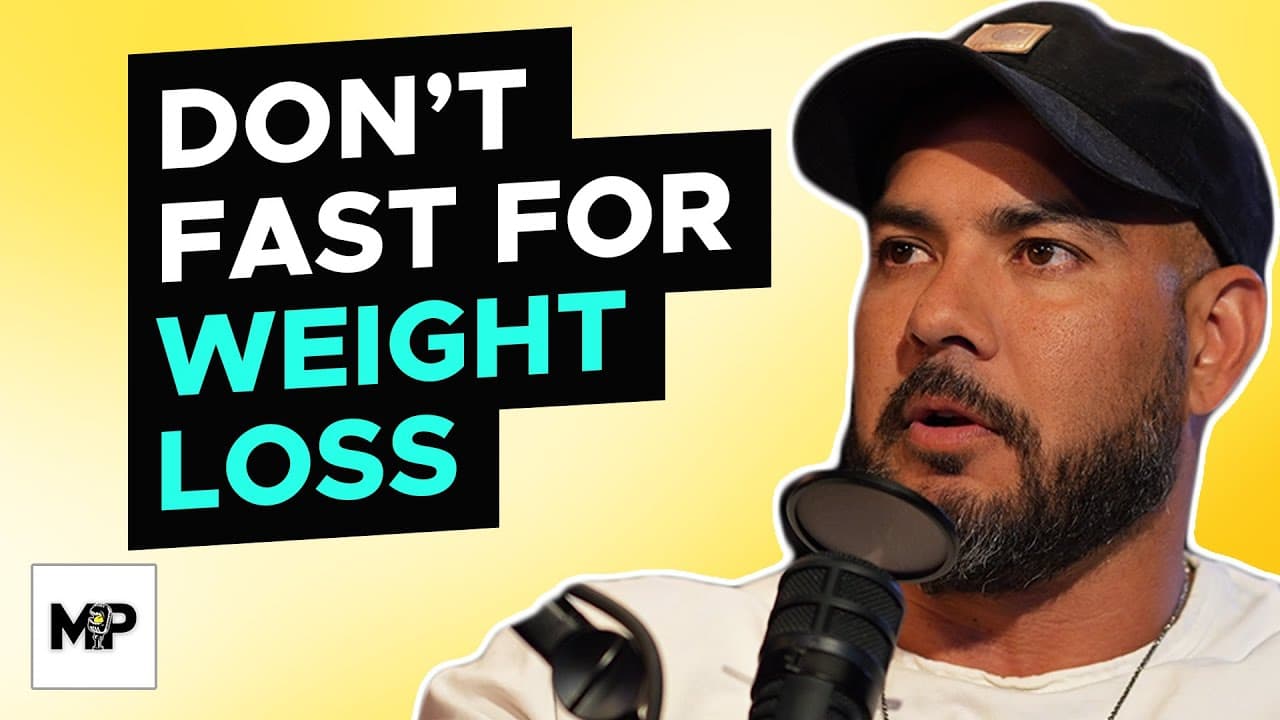
foreign fasting or fasting in general terrible way to lose body fat look for most you want to lose weight do not use fasting as a way to do so back in the day we used to call that eating disorder it doesn't work well long term now here is what fasting is good for detaching your addictions or attachments to food so if you rush to food for anxiety de... Read More
Key Insights
- Fasting is not a sustainable strategy for long-term weight loss, as it often leads to a cycle of binge eating and starvation.
- Fasting can be beneficial for breaking emotional attachments to food, helping with anxiety or boredom-related eating.
- The effectiveness of fasting for fat loss is often overstated; more sustainable methods should be considered.
- The practice of fasting has religious roots aimed at detaching from worldly things, not specifically for weight loss.
- Fasting can be useful for people who are afraid of skipping meals, helping them break the habit of eating every few hours.
- There are some medical applications for fasting, such as reducing gut inflammation or as an adjunct to chemotherapy.
- Fasting is often marketed as a fat loss tool, but it's better suited for other purposes, such as gut health and breaking food addictions.
- For sustainable fat loss, combining fasting with other dietary strategies could be more effective, but fasting alone is not advisable.
Install to Summarize YouTube Videos and Get Transcripts
Explore YouTube Video Summarizer or Get YouTube Transcript Extractor
Questions & Answers
Q: Why is fasting considered a poor strategy for weight loss?
Fasting is considered a poor strategy for weight loss because it often leads to a cycle of binge eating and starvation, which is not sustainable in the long term. While it may help reduce caloric intake temporarily, it does not address the underlying issues related to eating habits and can lead to a poor relationship with food.
Q: What are the benefits of fasting if not for weight loss?
Fasting can be beneficial for breaking emotional attachments to food, helping individuals who eat due to anxiety, boredom, or depression. It can also be useful for individuals who are afraid to skip meals, as it helps them break the habit of eating every few hours. Additionally, fasting has some medical applications, such as reducing gut inflammation and serving as an adjunct to chemotherapy.
Q: How does fasting affect people with eating disorders?
For people with eating disorders, fasting can exacerbate issues by promoting a cycle of binge eating and starvation. It can reinforce negative behaviors and make it difficult to establish a healthy relationship with food. Therefore, fasting is generally not recommended for individuals with a history of eating disorders.
Q: Can fasting be combined with other dietary strategies for better results?
Yes, fasting can be combined with other dietary strategies for better results, but it should not be the sole method for weight loss. Combining fasting with a balanced diet, regular exercise, and mindful eating practices can lead to more sustainable and effective outcomes. However, it's important to approach fasting carefully and consult with a healthcare professional if needed.
Q: What are the misconceptions about fasting for fat loss?
One of the main misconceptions about fasting for fat loss is that it is a quick and easy way to lose weight. Many people believe that by simply not eating for a period, they will see significant fat loss. However, this approach often leads to a cycle of binge eating and does not address the root causes of weight gain. Additionally, fasting is often marketed as a fat loss tool when it is better suited for other purposes.
Q: Are there any groups of people who might benefit from fasting?
Yes, certain groups of people might benefit from fasting, such as those looking to break emotional attachments to food or those needing to reduce gut inflammation. Fasting can also be beneficial for individuals who are afraid of skipping meals, as it helps them break the habit of eating every few hours. However, it's crucial for these individuals to approach fasting with caution and ideally under the guidance of a healthcare professional.
Q: What are the religious roots of fasting?
Fasting has religious roots in many cultures and is used as a practice for detaching from worldly things. It is often seen as a way to purify the body and mind, allowing individuals to focus on spiritual growth. Unlike its modern use for weight loss, religious fasting is not intended for physical health benefits but rather for spiritual enlightenment and discipline.
Q: How is fasting marketed in the health and wellness industry?
In the health and wellness industry, fasting is often marketed as a quick and effective tool for weight loss. Many products and programs promote fasting as a way to shed pounds rapidly, often neglecting to mention the potential negative effects on one's relationship with food. Additionally, fasting is sometimes linked to supplements and other products, further commercializing the practice for profit rather than focusing on its true benefits.
Summary & Key Takeaways
-
Fasting is often misunderstood as an effective weight loss strategy, but it typically leads to a cycle of binge eating and fasting. It's better suited for breaking emotional attachments to food.
-
While fasting can help with anxiety-related eating, it's not a sustainable method for fat loss. Other strategies are more effective for long-term weight management.
-
The benefits of fasting are often exaggerated in the context of weight loss. It has religious and medical applications but should not be relied upon solely for fat reduction.
Read in Other Languages (beta)
Share This Summary 📚
Summarize YouTube Videos and Get Video Transcripts with 1-Click
Try YouTube Summary with ChatGPT & Claude or YouTube Transcript Generator
Explore More Summaries from Mind Pump Show 📚


Summarize YouTube Videos and Get Video Transcripts with 1-Click
Try YouTube Summary with ChatGPT & Claude or YouTube Transcript Generator