Research Focus: Genetic Change
TL;DR
Chemical damage to our DNA can cause mutations, leading to genetic diseases, but mutations also drive evolution and ensure survival in changing environments.
Transcript
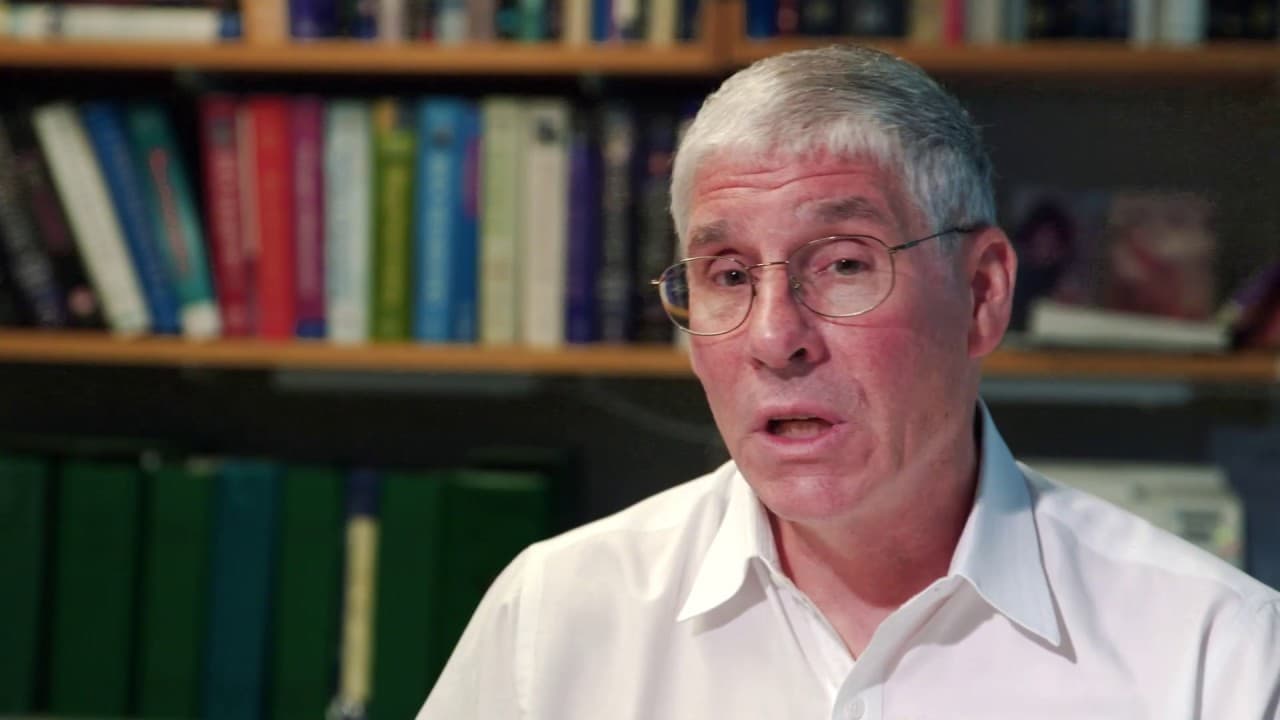
JOHN ESSIGMANN: I work in the field of genetic change. In a perfect world, you would say, guanine would always pair with cytosine and adenine would always pair with thymine. It turns out, however, that sometimes chemicals from the environment can react with our normal nucleotides and change their coding characteristics so that mistakes are made whe... Read More
Key Insights
- 🥺 Chemical damage to DNA can lead to mutations and genetic diseases.
- 💱 Mutations are a natural process that ensures diversity and facilitates adaptation to changing environments.
- ❓ Intentionally introducing mutagenic chemicals can be harnessed to combat viruses.
- 🧬 DNA repair pathways in the nucleus can prevent mutations caused by mutagenic chemicals used in drug development.
- 🎯 Viruses have no defense against mutagenic effects in the cytoplasm, making them vulnerable to targeted treatment strategies.
- 👨🔬 Research on HIV has demonstrated the effectiveness of intentionally inducing mutations to fight viral infections.
- ❓ Understanding the chemistry of nucleotides and their impact on replication is crucial in developing effective treatment strategies.
Install to Summarize YouTube Videos and Get Transcripts
Explore YouTube Video Summarizer or Get YouTube Transcript Extractor
Questions & Answers
Q: How can chemicals from the environment change the coding characteristics of nucleotides?
Chemicals from the environment can react with normal nucleotides, causing changes in their coding characteristics. This leads to mutations when polymerases try to read the altered nucleotides, potentially resulting in genetic diseases.
Q: What is the role of mutations in evolution?
Mutations are the basis for evolution. They introduce diversity into populations, allowing for adaptation to changing environments. Without mutations, all individuals would be alike, making the chance of extinction higher when confronted with environmental changes.
Q: How do our cells respond to viral infections?
When a virus infects our cells, our innate immune system tries to kill it by inducing enzymes that rip apart the DNA bases of the virus. This process, called lethal mutagenesis, introduces a large number of mutations in the viral genome, eventually rendering it non-functional.
Q: How can intentionally introducing mutagenic chemicals be used to combat viruses?
By contaminating the nucleotide pool of a cell with mutagenic nucleotides, researchers can force viruses to mutate even quicker. This approach has been successful in pushing HIV to a technical state of extinction in laboratory settings.
Summary & Key Takeaways
-
Chemical damage to our DNA can change the coding characteristics of nucleotides, leading to mutations and genetic diseases.
-
Mutations are a natural process that allows for diversity within a population and enables evolution.
-
Research has shown that intentionally introducing mutagenic chemicals can be used to push viruses to a state of technical extinction.
Read in Other Languages (beta)
Share This Summary 📚
Summarize YouTube Videos and Get Video Transcripts with 1-Click
Try YouTube Summary with ChatGPT & Claude or YouTube Transcript Generator
Explore More Summaries from MIT OpenCourseWare 📚



Summarize YouTube Videos and Get Video Transcripts with 1-Click
Try YouTube Summary with ChatGPT & Claude or YouTube Transcript Generator