World's Largest Rodent | National Geographic
TL;DR
The Orinoco River in South America is a diverse ecosystem with fascinating wildlife and indigenous cultures.
Transcript
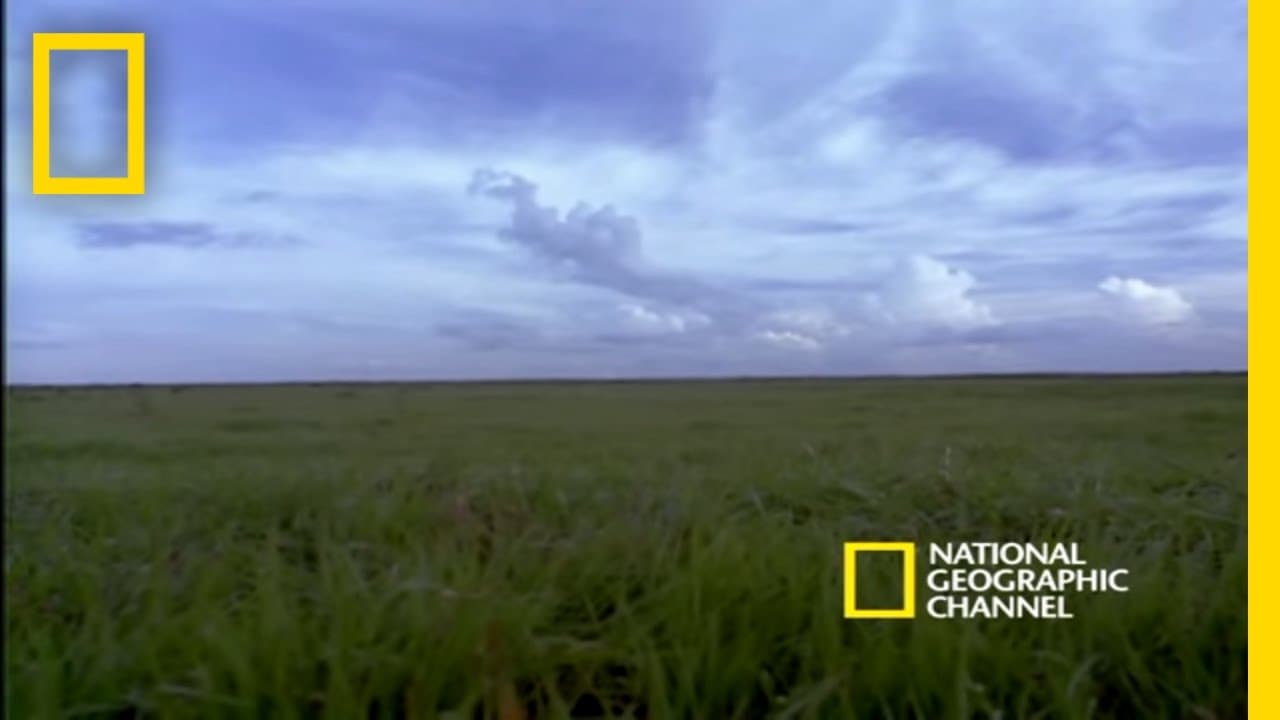
from its origins in the mountains of Venezuela and Brazil to its delta on the coast of the Atlantic Ocean the Orinoco River flows for nearly 1300 miles along the way it passes ancient rock formations glorious waterfalls dense tropical rainforests and vast grassy plains the orinoco delta the area where the river's water empties into the ocean is a s... Read More
Key Insights
- 🤑 The Orinoco River in South America spans diverse landscapes, from mountains to coastal deltas, offering a rich ecosystem for various species.
- 🫒 Indigenous cultures like the Yanomami have lived in harmony with the Orinoco River for millennia, relying on its resources for survival.
- 🛢️ Modern industrial activities like mining and oil extraction threaten the Orinoco River's pristine environment, impacting wildlife and indigenous communities.
- 🏞️ Conservation efforts in the form of national parks and forest preserves aim to protect the Orinoco River's ecosystem for future generations.
- 🐦 The Orinoco River supports a variety of wildlife, including birds, fish, crocodiles, and snakes, making it a vital natural resource for the region.
- 😋 The Orinoco River serves as a vital waterway for transportation and a source of clean water and food for indigenous cultures and local communities.
- 🪡 The Orinoco River's diverse ecosystem is at risk from modern development, highlighting the need for sustainable practices to maintain its ecological balance.
Install to Summarize YouTube Videos and Get Transcripts
Explore YouTube Video Summarizer or Get YouTube Transcript Extractor
Questions & Answers
Q: What are some key features of the Orinoco River?
The Orinoco River boasts diverse landscapes, from ancient rock formations to vast grassy plains, and is home to various wildlife like the Orinoco crocodile and the giant Anaconda.
Q: How do indigenous communities like the Yanomami rely on the Orinoco River?
Indigenous cultures along the Orinoco River, such as the Yanomami, depend on the river for transportation, clean water, and a source of fresh food, illustrating a deep connection to the river's resources.
Q: How has modern development impacted the Orinoco River?
Modern industrial activities like dam construction, mining for minerals, and oil extraction have encroached on the natural habitats along the Orinoco River, posing a threat to its pristine environment and wildlife.
Q: What conservation efforts are in place to protect the Orinoco River?
Several national parks and forest reserves have been established to conserve the Orinoco River's ecosystem, ensuring its sustainability and preservation for future generations.
Summary & Key Takeaways
-
The Orinoco River flows for 1300 miles, passing through diverse landscapes like rainforests, plains, and waterfalls.
-
Home to numerous bird species, fish like piranhas, Orinoco crocodiles, and wildlife such as jaguars and capybaras.
-
Indigenous cultures like the Yanomami rely on the river for transportation, clean water, and food, while modern development threatens its sustainability.
Read in Other Languages (beta)
Share This Summary 📚
Summarize YouTube Videos and Get Video Transcripts with 1-Click
Try YouTube Summary with ChatGPT & Claude or YouTube Transcript Generator
Explore More Summaries from National Geographic 📚



Summarize YouTube Videos and Get Video Transcripts with 1-Click
Try YouTube Summary with ChatGPT & Claude or YouTube Transcript Generator