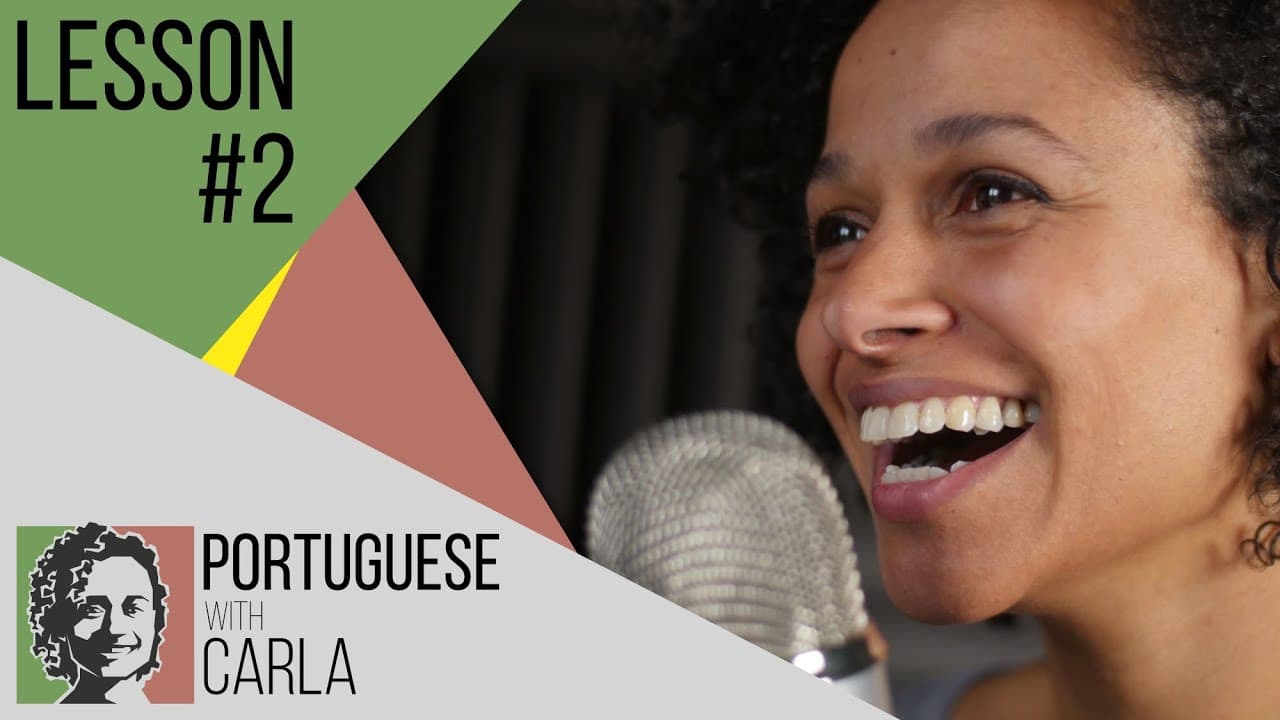
Lesson 2 - Going to the chemist
TL;DR
Learn asking directions in Portuguese and brain plasticity's role in language learning.
Transcript
hola buo Welcome to our second podcast my name is Carla sabala and I'm with Maron sabala that's right and we have gotten some feedback from the first podcast and we are going to try to make it a little bit more fun still using the same uh methods we have used for the first one that's correct right so each little lesson we'll try and introduce new w... Read More
Key Insights
- The podcast introduces simple Portuguese words and phrases for asking directions, focusing on practical language use during travel.
- The lesson includes a role-play scenario to demonstrate how to ask for directions to the nearest chemist in Portuguese.
- Key phrases such as 'excuse me' and 'thank you' are translated and explained to facilitate basic conversational skills.
- The podcast discusses the concept of brain plasticity, highlighting its significance in language acquisition and adaptation.
- Listeners are encouraged to immerse themselves in the language environment to enhance learning and overcome reliance on their native language.
- Suggestions for language immersion include listening to Portuguese radio, watching TV, and reading books to reinforce learning.
- The importance of consistent exposure to the language for effective learning is emphasized, recommending a couple of hours daily.
- The podcast aims to make learning Portuguese engaging and practical, with a focus on cultural integration and real-life application.
Install to Summarize YouTube Videos and Get Transcripts
Explore YouTube Video Summarizer or Get YouTube Transcript Extractor
Questions & Answers
Q: What is the main focus of this podcast episode?
The main focus of this podcast episode is to teach listeners basic Portuguese phrases for asking directions, particularly finding a chemist, through practical examples and role-play scenarios. It also discusses the role of brain plasticity in language learning and suggests methods for effective language immersion.
Q: How does the podcast suggest improving language learning?
The podcast suggests improving language learning by immersing oneself in the language environment, such as listening to Portuguese radio, watching TV, and reading books. It emphasizes the importance of consistent exposure to the language, recommending a couple of hours daily to reinforce learning and overcome reliance on the native language.
Q: What role does brain plasticity play in language learning?
Brain plasticity plays a crucial role in language learning by allowing the brain to adapt and find new neural pathways to accommodate new linguistic skills. The podcast explains that understanding brain plasticity can enhance language acquisition by encouraging immersion and challenging the brain to adapt to new linguistic environments.
Q: What practical language skills are taught in this episode?
This episode teaches practical language skills such as asking for directions to a chemist in Portuguese, using key phrases like 'excuse me' and 'thank you.' It also includes a role-play scenario to demonstrate conversational skills and provides insights into the cultural context of using these phrases effectively.
Q: How does the podcast integrate cultural elements into language learning?
The podcast integrates cultural elements into language learning by providing context for the phrases taught, such as their usage in real-life scenarios like asking for directions. It also discusses cultural nuances, like regional dialects and variations in pronunciation, to help learners understand the broader cultural landscape of the Portuguese language.
Q: Why is immersion important in learning a new language?
Immersion is important in learning a new language because it forces the brain to adapt and find new ways to accommodate linguistic skills. By being exposed to the language regularly, learners can overcome reliance on their native language and develop a more natural understanding of the new language, improving fluency and comprehension.
Q: What challenges might learners face when exposed to different Portuguese dialects?
Learners might face challenges such as variations in pronunciation, vocabulary differences, and regional accents when exposed to different Portuguese dialects. These differences can be confusing, especially for beginners, and may require additional effort to understand and adapt to the specific dialect being spoken in different regions.
Q: What strategies are recommended for maintaining language skills over time?
The podcast recommends strategies such as listening to Portuguese radio, watching TV, reading books, and engaging in conversations with native speakers to maintain language skills over time. Regular practice and exposure to the language are essential for reinforcing learning and preventing language skills from deteriorating.
Summary & Key Takeaways
-
This podcast episode focuses on teaching basic Portuguese phrases for asking directions, specifically finding a chemist, through role-play and practical examples. It emphasizes the importance of immersion in language learning and introduces the concept of brain plasticity to enhance linguistic skills.
-
Listeners are guided through a conversational scenario, learning essential phrases like 'excuse me' and 'thank you' in Portuguese. The episode also discusses the adaptability of the brain in learning new languages and suggests methods for effective language immersion.
-
The podcast provides insights into the importance of consistent exposure to the language, recommending daily practice through media and interaction. It aims to make learning Portuguese engaging by integrating cultural elements and practical language use.
Read in Other Languages (beta)
Share This Summary 📚
Summarize YouTube Videos and Get Video Transcripts with 1-Click
Try YouTube Summary with ChatGPT & Claude or YouTube Transcript Generator
Explore More Summaries from Portuguese With Carla 📚



Summarize YouTube Videos and Get Video Transcripts with 1-Click
Try YouTube Summary with ChatGPT & Claude or YouTube Transcript Generator