NEXT STOCK MARKET CRASH - CORPORATE DEBT CRISIS
TL;DR
Paul Tudor Jones warns of a dangerous corporate credit bubble forming, affecting stocks and the economy.
Transcript
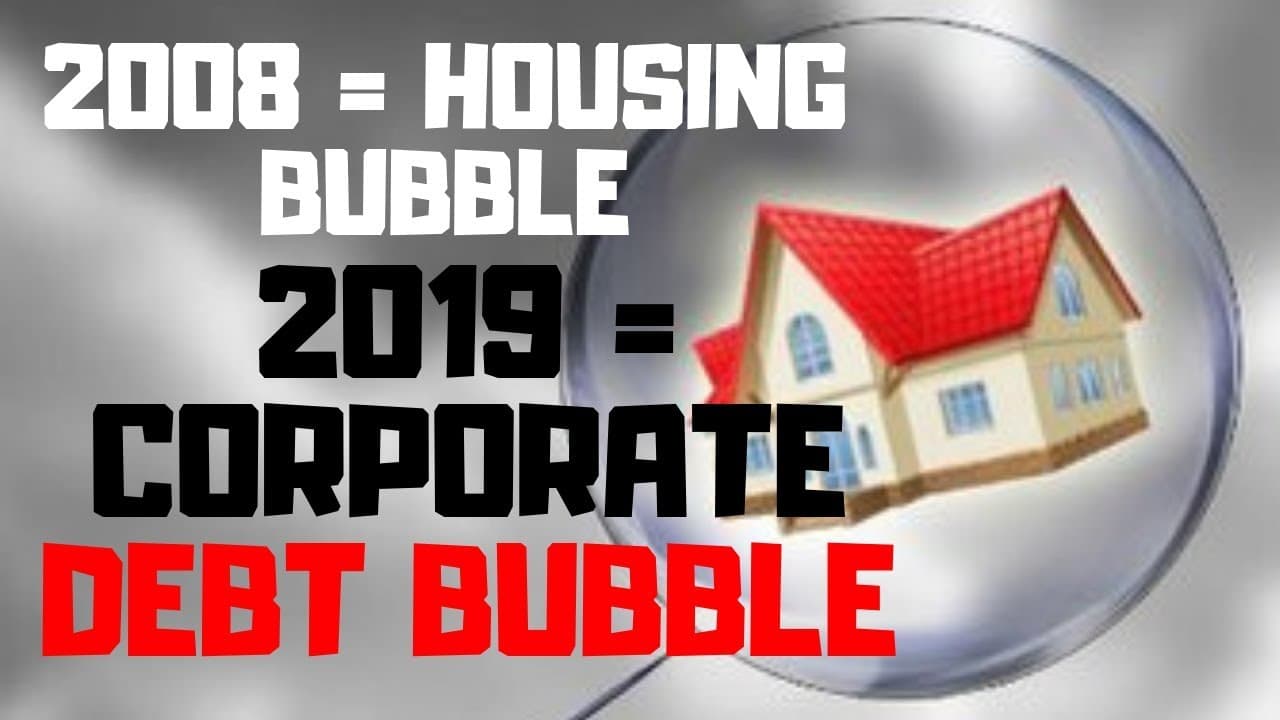
good day fellow investors 2008 was all about the housing bubble 2019 2020 might be all about the corporate credit bubble that is forming and in recent interview Paul Tudor Jones and even Ray Dalio said that there are bubbles forming smaller bubbles but extremely dangerous bubbles let's see what Paul Tudor Jones has to say your credit was it was act... Read More
Key Insights
- 👁️🗨️ The corporate credit bubble poses a significant risk to stocks and the economy, similar to the housing bubble in 2008.
- 💳 Increasing leveraged loans, deteriorating credit quality, and relaxed underwriting standards signal a looming crisis in the credit market.
- 🌱 Companies engaging in financial engineering by using debt for buybacks and dividends without a solid plan for repayment are vulnerable to economic downturns.
- 😮 Investors should assess their portfolio for exposure to highly leveraged companies and potential risks from rising interest rates.
- 💳 Monitoring credit quality, debt levels, and underwriting standards is essential in navigating the current corporate credit environment.
- ✋ Leveraged loans and high-yield debt issuance have expanded significantly, raising concerns about the sustainability of current debt levels.
- 🥺 The shift towards financial engineering and reduced investment in productive assets could lead to a market crash when economic conditions change.
Install to Summarize YouTube Videos and Get Transcripts
Explore YouTube Video Summarizer or Get YouTube Transcript Extractor
Questions & Answers
Q: What warning has Paul Tudor Jones issued regarding the current corporate credit environment?
Paul Tudor Jones cautions that a dangerous corporate credit bubble is forming, posing a significant risk to stocks and the economy. He highlights the similarities to the housing bubble crisis in 2008.
Q: How are companies increasing their risk in the current credit market environment?
Companies are leveraging cheap debt to fund buybacks and dividends instead of investing in productive assets, leading to a buildup of debt without a clear plan for repayment. This financial engineering poses a threat in an environment of rising interest rates and economic slowdown.
Q: Why is it crucial for investors to evaluate their portfolio in light of the corporate credit bubble warning?
The corporate credit bubble could negatively impact stocks as most investors are long equities. Assessing exposure to highly leveraged companies and potential risks from rising interest rates is essential to protect one's portfolio.
Q: What actions can investors take to mitigate risks associated with the corporate credit bubble?
Investors can reduce exposure to highly leveraged companies, monitor debt levels in their portfolio, and consider hedging strategies such as put options on at-risk stocks. Conducting thorough research and risk analysis is critical in preparing for potential market downturns.
Summary & Key Takeaways
-
Paul Tudor Jones warns of a corporate credit bubble forming, similar to the housing bubble in 2008.
-
Increasing corporate debt levels, leveraged loans, and deteriorating credit quality signal a looming crisis.
-
Investors should assess their portfolio for exposure to highly leveraged companies and potential risks from rising interest rates.
Read in Other Languages (beta)
Share This Summary 📚
Summarize YouTube Videos and Get Video Transcripts with 1-Click
Try YouTube Summary with ChatGPT & Claude or YouTube Transcript Generator
Explore More Summaries from Value Investing with Sven Carlin, Ph.D. 📚




Summarize YouTube Videos and Get Video Transcripts with 1-Click
Try YouTube Summary with ChatGPT & Claude or YouTube Transcript Generator