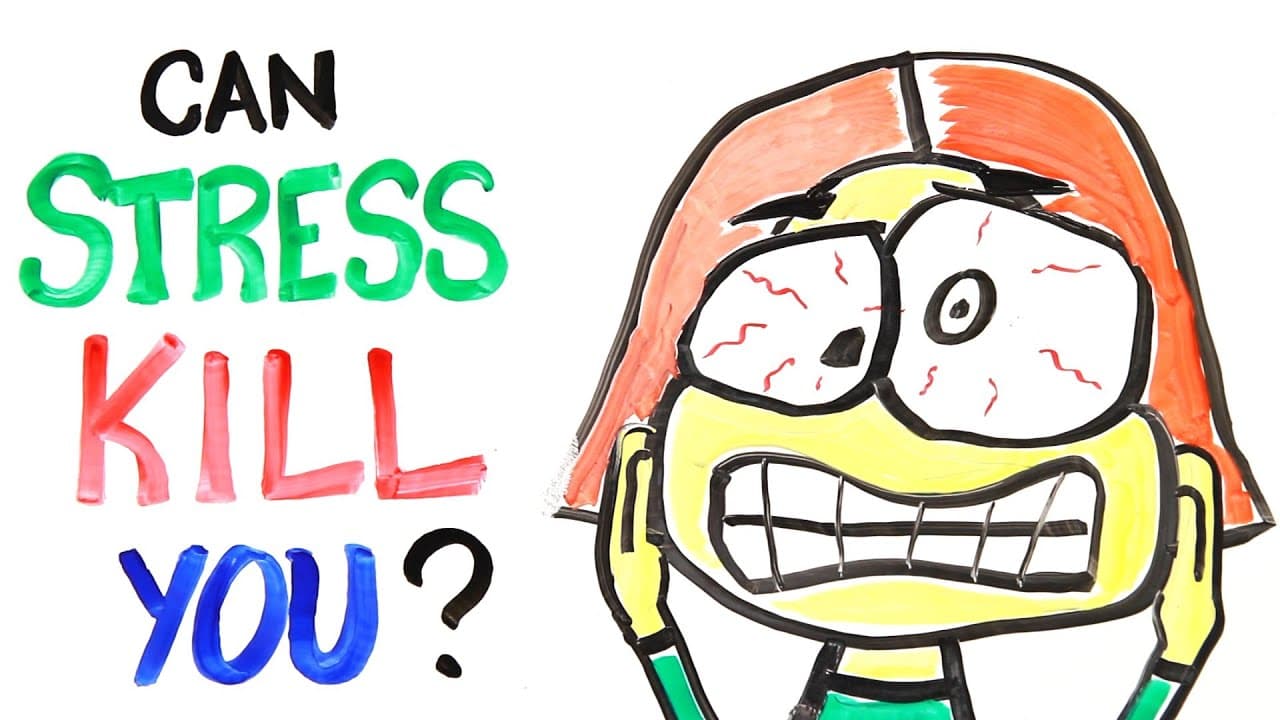
Can Stress Actually Kill You?
TL;DR
Chronic stress can have significant negative effects on your body, including heart problems, weakened immune system, memory issues, and accelerated aging.
Transcript
In a busy world, with unending work and responsibilities piling up, stress can get to the best of us. But how bad is it for you, really? Can stress actually kill you? From a biological perspective, stress makes perfect sense. If you're about to get chomped on by a bear, your stress hormones better kick your butt into gear. But it turns out that you... Read More
Key Insights
- 🥰 Stress triggers the release of stress hormones, which can lead to physical symptoms like increased heart rate and tense muscles.
- 🥰 Chronic stress can lead to heart problems due to clogged arteries and impaired blood flow to the heart during stress.
- 🧠 Prolonged stress exposure can result in brain function impairments, particularly affecting memory and learning.
- 🤕 Telomeres, which are related to aging and life span, may be shortened by stress, accelerating the aging process.
- 🥰 Oxytocin, known as the "cuddle hormone," can reduce the stress response and regenerate the heart from stress-related damage.
- ⌛ Positive social interactions and spending time with loved ones can help reduce stress and create resilience.
- ❓ Stress can weaken the immune system, inhibit inflammation, and increase susceptibility to disease.
Install to Summarize YouTube Videos and Get Transcripts
Explore YouTube Video Summarizer or Get YouTube Transcript Extractor
Questions & Answers
Q: How does stress affect the body?
Stress causes the release of stress hormones, which can lead to physical symptoms and affect various bodily functions such as heart rate, digestion, and immune response.
Q: Can stress cause heart problems?
Yes, chronic stress can result in heart problems as clogged arteries prevent blood from reaching the heart effectively during times of stress, increasing the risk of heart attacks.
Q: Does stress impact brain function?
Prolonged exposure to stress can impair brain function, particularly in the area associated with memory and learning, making it harder to remember things.
Q: Can stress accelerate aging?
Yes, stress can accelerate aging because it may shorten telomeres, which are directly related to aging and the length of life. Telomeres decrease in size with age, and stress may speed up this process.
Summary & Key Takeaways
-
Stress triggers the release of stress hormones, which can lead to physical symptoms such as increased heart rate, tense muscles, and digestive issues.
-
Chronic stress can result in heart problems, as clogged arteries prevent blood from reaching the heart efficiently during stress.
-
Exposure to prolonged stress can impair brain function, particularly in the area associated with memory and learning.
Read in Other Languages (beta)
Share This Summary 📚
Summarize YouTube Videos and Get Video Transcripts with 1-Click
Try YouTube Summary with ChatGPT & Claude or YouTube Transcript Generator
Explore More Summaries from AsapSCIENCE 📚





Summarize YouTube Videos and Get Video Transcripts with 1-Click
Try YouTube Summary with ChatGPT & Claude or YouTube Transcript Generator