Focusing in on Other Worlds
TL;DR
Scientists are using advanced techniques to detect and study planets outside of our solar system, including differentiating atmospheres and searching for signs of life.
Transcript
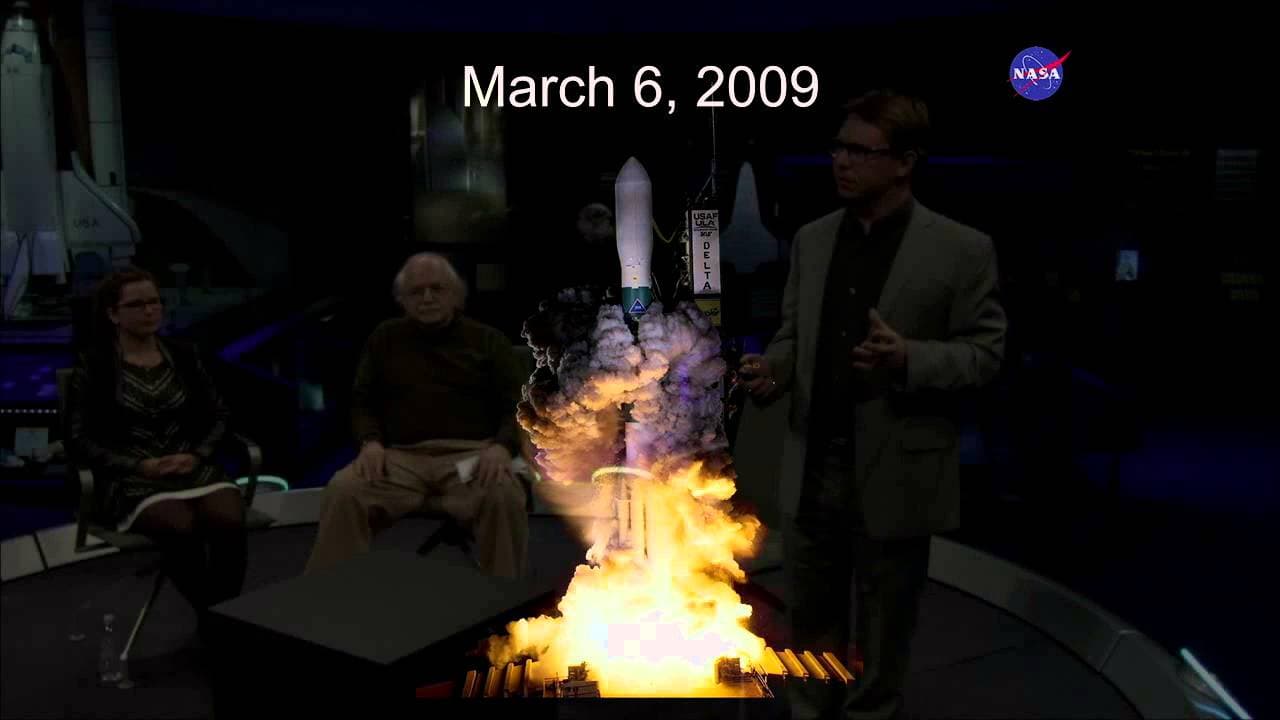
WELCOME TO THE MOVING BEYOND EARTH GALLERY. AND ESPECIALLY TO THE WHAT'S NEW IN AEROSPACE PROGRAM THAT WE'VE BEEN HOSTING HERE NOW THIS YEAR. AND WE'RE VERY EXCITED ABOUT. WE ALSO WANT TO WELCOME OUR ELECTRONIC AUDIENCE, THE NASA NETWORK AUDIENCE. AND TALK ABOUT A SUBJECT WHICH ACTUALLY IS VERY DEAR, I THINK, TO MY HEART AND THAT IS UNDERLYING ALL ... Read More
Key Insights
- 🧑🔬 Scientists have made significant advancements in the detection and study of extra-solar planets over the past 20 years.
- 🤩 The transit technique is a valuable tool for detecting planets passing in front of their star.
- 👻 Analyzing the atmospheres of these planets can provide insights into their potential for hosting life.
Install to Summarize YouTube Videos and Get Transcripts
Explore YouTube Video Summarizer or Get YouTube Transcript Extractor
Questions & Answers
Q: How do scientists detect extra-solar planets?
Scientists use the transit technique, observing for planets passing in front of their star, causing a decrease in brightness.
Q: What are some key components scientists look for in the atmospheres of extra-solar planets?
Scientists analyze the atmospheres of these planets for water vapor, gases, and other elements that may indicate the potential for life.
Q: What advancements in technology have contributed to the search for extra-solar planets?
Technological advancements have allowed scientists to detect and study planets of different sizes and in various environments, including the use of space telescopes such as the Hubble Space Telescope and the James Webb Space Telescope.
Summary & Key Takeaways
-
Scientists have been searching for extra-solar planets for over 20 years, with recent advancements in technology allowing for the detection of planets of different sizes and in various environments.
-
The search involves the transit technique, which looks for planets passing in front of their star, causing a dip in brightness.
-
The study of these planets involves analyzing the atmospheres and identifying key components such as water vapor and gases, which may indicate the potential for life.
Read in Other Languages (beta)
Share This Summary 📚
Summarize YouTube Videos and Get Video Transcripts with 1-Click
Try YouTube Summary with ChatGPT & Claude or YouTube Transcript Generator
Explore More Summaries from NASA 📚

Summarize YouTube Videos and Get Video Transcripts with 1-Click
Try YouTube Summary with ChatGPT & Claude or YouTube Transcript Generator