How Does Coffee Affect Your Sleep Quality?
TL;DR
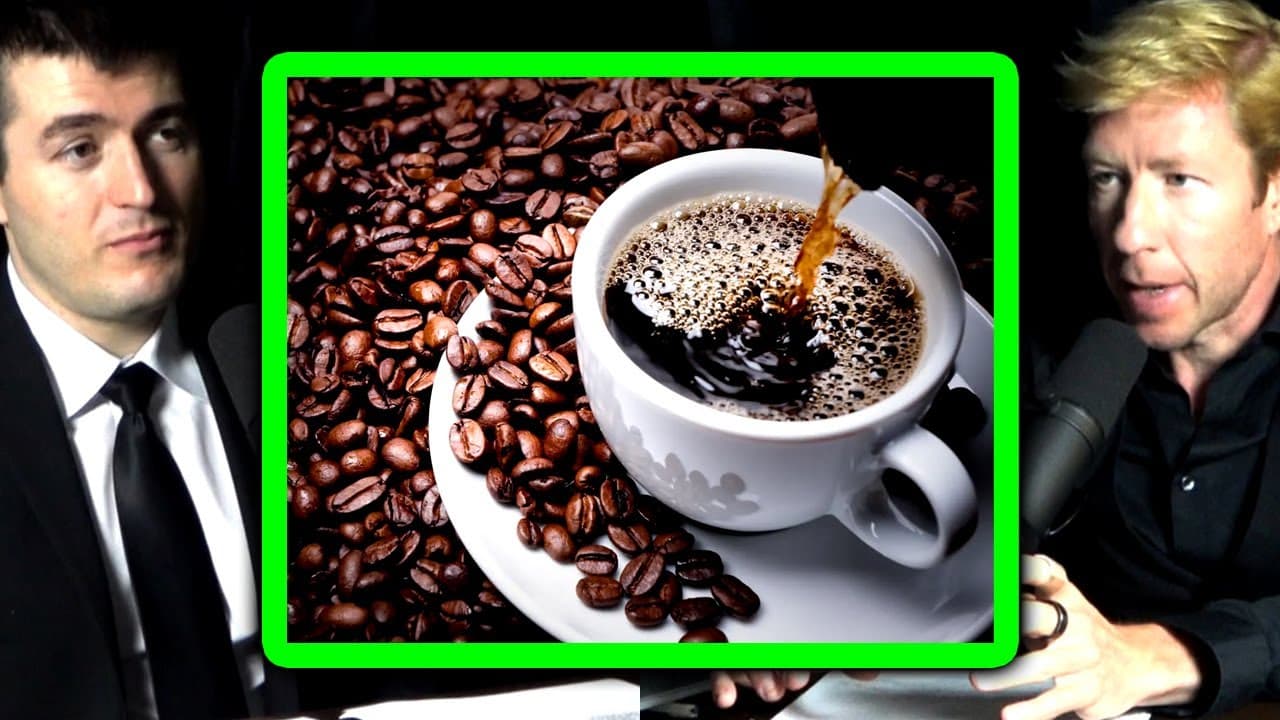
Coffee offers health benefits primarily through antioxidants, but caffeine can negatively impact sleep. It can hinder both sleep onset and depth, with individual responses varying widely. To minimize sleep disruption, it's advisable to limit caffeine intake, particularly in the hours leading up to bedtime.
Transcript
i'm a big fan of coffee and caffeine and i've been especially the last few days consuming a very large amount and i'm cognizant of the fact that my body is affected by caffeine different than the anecdotal information that other people tell me i seem to be not at all affected by it it's almost um it feels like more like a ritual than it is a chemic... Read More
Key Insights
- 😪 Coffee provides health benefits through its antioxidants, while caffeine can disrupt sleep.
- 😪 Caffeine affects sleep by making it harder to fall asleep, reducing the depth of deep sleep, and potentially disturbing sleep architecture.
- 😪 Timing and dosage of caffeine intake play a crucial role in its impact on sleep.
- 😪 Individual differences in caffeine metabolism can influence the sensitivity to its sleep-disrupting effects.
- 🥺 Tolerance to caffeine can develop over time, leading to the need for higher doses to achieve the same effect.
- ❓ Regular caffeine consumption can downregulate adenosine receptors, resulting in a decrease in sensitivity to caffeine.
- ⌛ There is no one-size-fits-all answer to the recommended cutoff time for caffeine intake before bed, as it varies among individuals. However, a general guideline suggests stopping caffeine consumption at least 10 hours before bedtime.
- 🎙️ More videos with Matt Walker:
Install to Summarize YouTube Videos and Get Transcripts
Explore YouTube Video Summarizer or Get YouTube Transcript Extractor
Questions & Answers
Q: What is the relationship between coffee and sleep?
Coffee itself has health benefits, mainly due to the presence of antioxidants. However, caffeine in coffee can negatively impact sleep by making it harder to fall asleep and reducing the depth of deep sleep.
Q: Why is the timing and dosage of caffeine important?
Caffeine has a half-life of about 5 to 6 hours, meaning that it takes that long for half of the caffeine to be eliminated from the body. Its effects can last up to 10 to 12 hours. Consuming caffeine in the afternoon or evening can disrupt sleep. Excessive amounts of caffeine can also have negative health effects.
Q: Why are some people less affected by caffeine's impact on sleep?
Individual differences exist in how the body metabolizes caffeine. Some individuals have a gene that efficiently clears caffeine from the system, while others have a slower clearance rate. This variation affects caffeine sensitivity and its impact on sleep.
Q: Can tolerance to caffeine develop?
Yes, tolerance to caffeine can develop with regular consumption. The body downregulates the number of adenosine receptors, leading to less sensitivity to caffeine. This can result in requiring higher doses of caffeine to achieve the desired effect.
Q: What is the recommended cutoff time for caffeine intake?
There is no definitive answer as there is significant variability among individuals. However, a general recommendation is to avoid consuming caffeine at least 10 hours before bedtime to minimize the impact on sleep.
Summary & Key Takeaways
-
Coffee contains antioxidants that provide health benefits, which is why even decaffeinated coffee has positive effects.
-
Caffeine can make it harder to fall asleep and stay asleep, and even if it doesn't affect sleep onset, it reduces the depth of deep sleep.
-
The timing and dosage of caffeine intake are important factors. Having caffeine in the evening can disrupt sleep, and consuming excessive amounts of caffeine can negate the health benefits.
Read in Other Languages (beta)
Share This Summary 📚
Summarize YouTube Videos and Get Video Transcripts with 1-Click
Try YouTube Summary with ChatGPT & Claude or YouTube Transcript Generator
Explore More Summaries from Lex Clips 📚



Summarize YouTube Videos and Get Video Transcripts with 1-Click
Try YouTube Summary with ChatGPT & Claude or YouTube Transcript Generator