What Are the Key Organelles in Cell Structure?
TL;DR
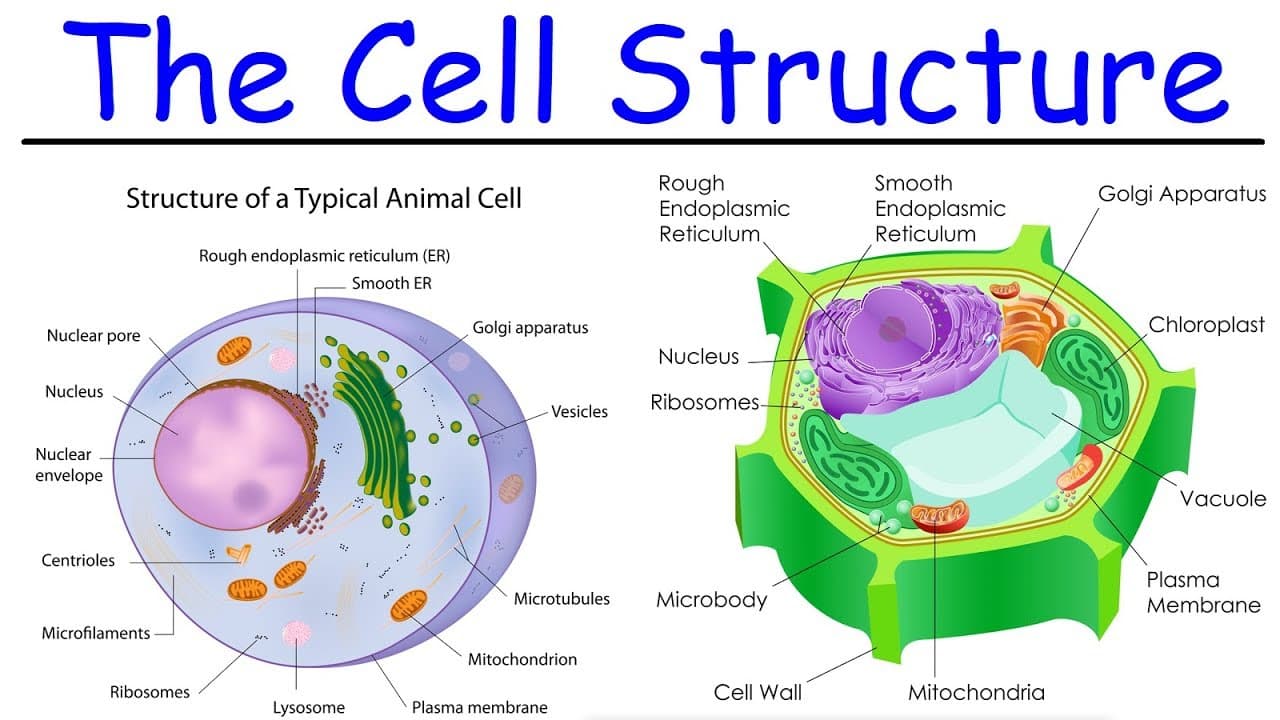
Key organelles in cell structure include the nucleus, which controls cell functions and contains DNA; the endoplasmic reticulum, responsible for protein and lipid production; and the Golgi body, which modifies and exports proteins. Additionally, mitochondria generate energy, lysosomes break down waste, and plant cells have unique structures like chloroplasts and a cell wall.
Transcript
in this video we're going to do a basic review of the cell and the things inside of the cell like the organelles the tiny organs of the cell so first we have the nucleus which is right there and the nucleus is basically the command and control center of the cell it tells the cell what to do how to grow what proteins to make what lipids to produce a... Read More
Key Insights
- 💁 The nucleus is the command center of the cell, containing DNA that stores genetic information and provides instructions for protein and lipid production.
- 🖐️ The endoplasmic reticulum plays a crucial role in protein production, with the rough ER containing ribosomes for ribosomal RNA and protein manufacturing.
- ❓ The Golgi body modifies and processes proteins before exporting them out of the cell, contributing to their proper function.
- ❓ Other organelles in the cell, such as mitochondria, lysosomes, vacuoles, and cytoskeleton, have specific functions related to energy production, digestion, storage, and structural support.
Install to Summarize YouTube Videos and Get Transcripts
Explore YouTube Video Summarizer or Get YouTube Transcript Extractor
Questions & Answers
Q: What is the function of the nucleus in a cell?
The nucleus serves as the command and control center, providing instructions for cell growth and protein and lipid production, storing genetic information in the DNA.
Q: How do ribosomes in the rough ER assist in protein production?
Ribosomes on the rough ER produce proteins based on mRNA instructions from the nucleus, and these proteins are enclosed in vesicles for transport to the Golgi body.
Q: What is the function of the Golgi body?
The Golgi body modifies and processes proteins, adding lipids and carbs, and folding them into the proper shape before exporting them out of the cell.
Q: How do lysosomes contribute to cell function?
Lysosomes contain digestive enzymes that break down food and can destroy pathogens in white blood cells through phagocytosis, recycling or using the smaller components within the cell.
Summary & Key Takeaways
-
The nucleus is the command center of the cell, containing DNA known as chromatin, which serves as the instruction manual for the cell.
-
The endoplasmic reticulum consists of rough and smooth regions, with the rough ER containing ribosomes for protein production and the smooth ER involved in lipid and hormone production.
-
The Golgi body modifies and processes proteins, adding lipids and carbs, before exporting them out of the cell.
-
Other organelles discussed include mitochondria, lysosomes, cytoplasm, cytoskeleton, cilia, flagella, vacuoles, chloroplasts, and cell walls (specific to plant cells).
Read in Other Languages (beta)
Share This Summary 📚
Summarize YouTube Videos and Get Video Transcripts with 1-Click
Try YouTube Summary with ChatGPT & Claude or YouTube Transcript Generator
Explore More Summaries from The Organic Chemistry Tutor 📚




Summarize YouTube Videos and Get Video Transcripts with 1-Click
Try YouTube Summary with ChatGPT & Claude or YouTube Transcript Generator