Lethal Collisions with Humpback Whales | National Geographic
TL;DR
Scientists track humpback whale behavior to minimize ship collisions and understand foraging patterns.
Transcript
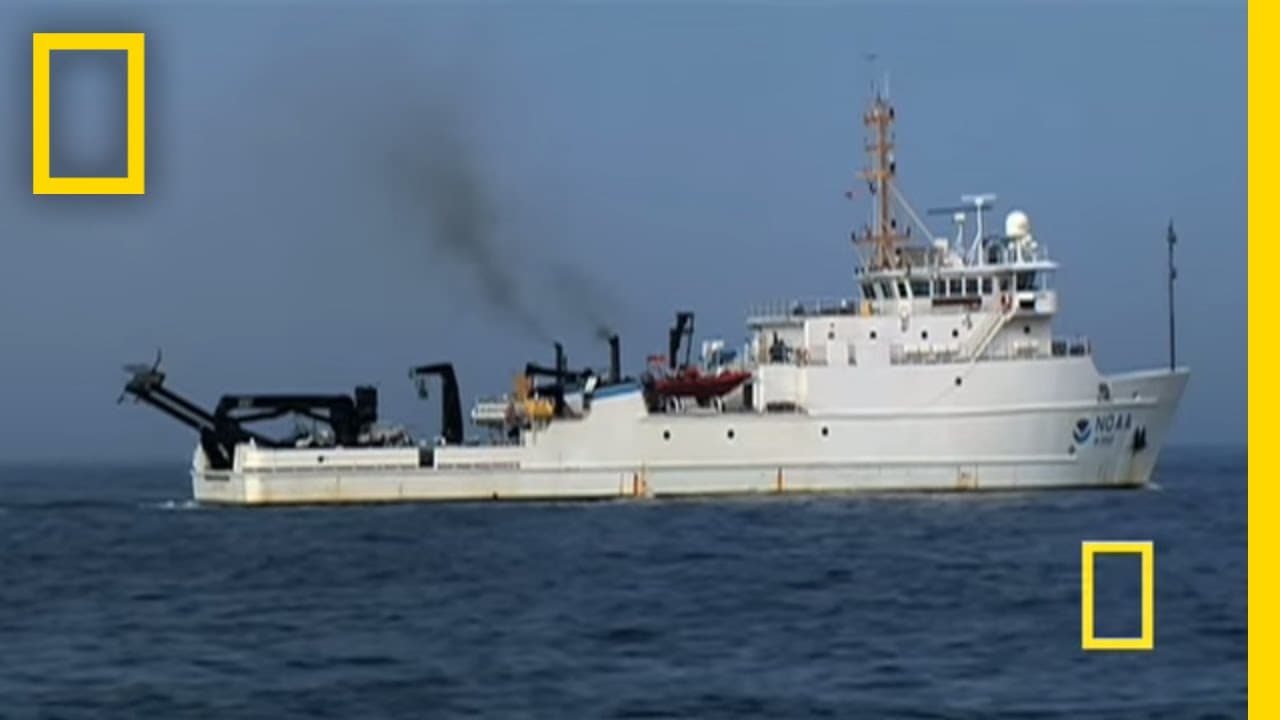
off the coast of Boston scientists scan the horizon for something large humpback whales in the busy waters of the Stellwagen bank National Marine Sanctuary whales must navigate around submerged fishing gear and on the surface collisions with ships result in injury and death researchers with the National Oceanic and Atmospheric Administration or NOA... Read More
Key Insights
- 👣 Tagging whales helps researchers track behavior and foraging patterns, essential for conservation efforts.
- 🐳 Data from tagged whales contributes to understanding whale movements in high traffic areas and reducing ship collisions.
- 🦻 Innovations in tagging technology and data visualization aid in solving mysteries of whale behavior.
- 🥺 Understanding humpback whale behavior leads to safer fishing practices and adjustments in shipping lanes.
- 🍝 The study contributes to the Census of Marine Life, assessing marine biodiversity for past, present, and future conservation efforts.
- 🐳 The project aims to make congested waterways safer for whales and other marine life.
- 👨🔬 Collaborations between scientists and institutions like NOAA and National Geographic advance marine research and conservation.
Install to Summarize YouTube Videos and Get Transcripts
Explore YouTube Video Summarizer or Get YouTube Transcript Extractor
Questions & Answers
Q: Why do scientists study humpback whale behavior off the coast of Boston?
Scientists study humpback whales to understand their behavior and reduce collisions with ships, thus enhancing marine safety and conservation efforts.
Q: How do researchers track humpback whales for their study?
Researchers attach temporary tags to humpback whales using precision and courage, allowing them to track the whales' movements underwater and foraging patterns.
Q: What significant insights have researchers gained from studying humpback whale behavior?
By studying humpback whale behavior, researchers have gained insights into their foraging strategies, movements in high traffic areas, and behaviors that help improve marine safety and conservation efforts.
Q: How do the scientific discoveries from the whale behavior study impact marine biodiversity and conservation efforts?
The scientific discoveries from the whale behavior study contribute to assessing marine biodiversity, planning safer fishing methods, and shifting shipping lanes to protect whale populations and enhance conservation efforts.
Summary & Key Takeaways
-
Scientists study humpback whales off Boston to understand behavior and reduce ship collisions.
-
Tags are attached to whales to track movements and foraging strategies.
-
Data from tagged whales helps improve marine safety and conservation efforts.
Read in Other Languages (beta)
Share This Summary 📚
Summarize YouTube Videos and Get Video Transcripts with 1-Click
Try YouTube Summary with ChatGPT & Claude or YouTube Transcript Generator
Explore More Summaries from National Geographic 📚



Summarize YouTube Videos and Get Video Transcripts with 1-Click
Try YouTube Summary with ChatGPT & Claude or YouTube Transcript Generator