Fluorine - Periodic Table of Videos
TL;DR
Witnessing elemental fluorine, a highly reactive and elusive element, with surprising reactions and applications.
Transcript
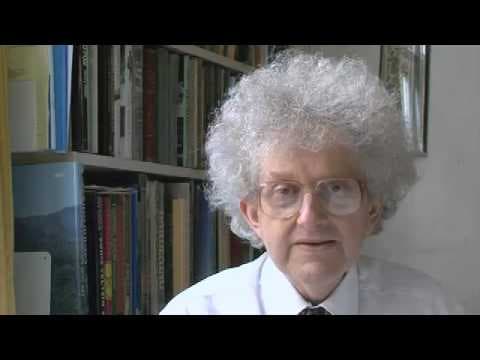
It was much more exciting than I thought. You see the flames. Our first video of fluorine was a bit disappointing. There wasn’t any, just a few bits of glassware and some funny stories. So at the moment I’m in the office of Professor Eric Hope who is one of the Country’s specialists in fluorine chemistry. He knows how to handle this terrific elemen... Read More
Key Insights
- 🫢 Elemental fluorine is rare, highly reactive, and invisible as a gas, showing its unique properties as an element.
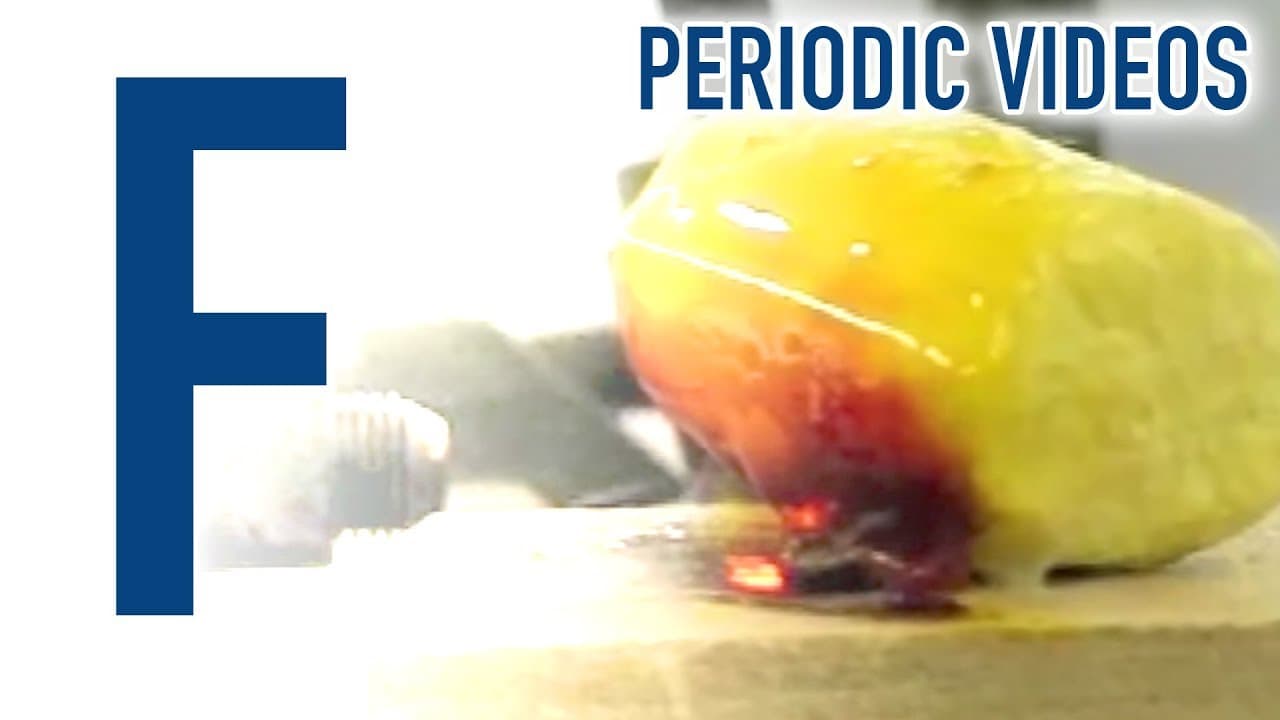
- ♻️ Demonstrations with fluorine show its immediate reactivity with iron wool and carbon, highlighting its powerful chemical reactions.
- 🤘 Handling fluorine requires extreme caution, as it reacts with most materials except neon and helium, demanding specialized metal equipment like nickel.
Install to Summarize YouTube Videos and Get Transcripts
Explore YouTube Video Summarizer or Get YouTube Transcript Extractor
Questions & Answers
Q: How is elemental fluorine produced, and why is it considered dangerous?
Elemental fluorine is produced by slowly releasing it into a tube, showcasing its invisibility as a gas and dark yellow liquid form. It is considered dangerous due to its highly reactive nature, reacting with most elements on the periodic table.
Q: Why do most chemists avoid working with fluorine, and what precautions are necessary when handling it?
Most chemists avoid working with fluorine due to its reactivity and risk factors. Precautions include using metal equipment like nickel, as fluorine reacts with glass and can form hydrogen fluoride, which corrodes glass.
Q: How does elemental fluorine react with iron wool and carbon?
Elemental fluorine reacts with iron wool by burning a hole through it, forming iron fluoride. With carbon, it ignites instantly, showcasing the element's extreme reactivity.
Q: How does fluoride in toothpaste work, and how does it benefit dental health?
Fluoride in toothpaste converts enamel into fluoral appetite, which is less soluble in acid, preventing tooth decay by reducing enamel's susceptibility to acid erosion.
Summary & Key Takeaways
-
Professor Eric Hope showcases the production of elemental fluorine, a rare and reactive element, handling it safely.
-
Fluorine is invisible as a gas but appears as a dark yellow liquid, showcasing its unique properties and reactivity.
-
Demonstrations with iron wool and carbon showcase fluorine's ability to react strongly and start fires effortlessly.
Read in Other Languages (beta)
Share This Summary 📚
Summarize YouTube Videos and Get Video Transcripts with 1-Click
Try YouTube Summary with ChatGPT & Claude or YouTube Transcript Generator
Explore More Summaries from Periodic Videos 📚
Summarize YouTube Videos and Get Video Transcripts with 1-Click
Try YouTube Summary with ChatGPT & Claude or YouTube Transcript Generator