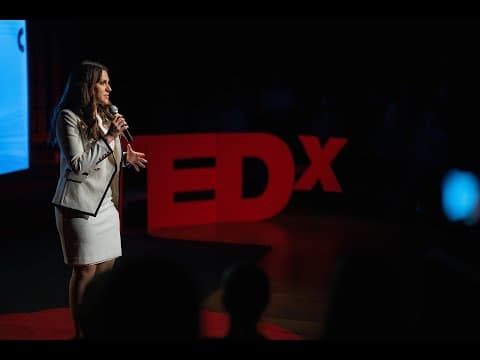
Beyond the Code: How DNA Can Combat Climate Change | Ariel Furst | TEDxBoston
TL;DR
By using DNA as a catalyst and tethering it to an electrode, we can efficiently convert CO2 emissions into usable feedstock for making products, achieving negative emissions and boosting profits.
Transcript
how many of you think about climate change on a daily basis wow this is impressive I was not expecting that I didn't used to but then I read about the impact it can have in Boston and the next 10 years we're expected to have 6 weeks or more of 90° days we're going to have sea levels rise over a foot and we're going to have about twice the rainfall ... Read More
Key Insights
- 🤢 Climate change impacts in Boston include heatwaves, rising sea levels, and increased rainfall, leading to drainage system issues.
- ⛽ Everyday products derived from fossil fuels contribute to CO2 emissions when discarded and burned.
- 🧬 By using DNA as a catalyst and tethering it to an electrode, CO2 emissions can be efficiently converted into usable feedstock.
- 💐 Tethering catalysts to the electrode using DNA improves efficiency and lowers costs in CO2 conversion processes.
- 🧬 Incorporating DNA in the CO2 conversion process reduces the energy required and increases overall efficiency by about 30%.
- ⏯️ The use of DNA in CO2 conversion makes it economically viable, with costs reduced to $350 per ton of carbon monoxide.
- 😒 Companies are encouraged to use this technology not just for sustainability reasons but also for boosting their profits.
Install to Summarize YouTube Videos and Get Transcripts
Explore YouTube Video Summarizer or Get YouTube Transcript Extractor
Questions & Answers
Q: How can we achieve negative emissions and remove CO2 from the atmosphere?
By using DNA as a catalyst and tethering it to an electrode, we can efficiently convert CO2 emissions into usable feedstock. This process allows us to make products while removing CO2, effectively achieving negative emissions.
Q: Why are current catalysts for CO2 conversion inefficient and expensive?
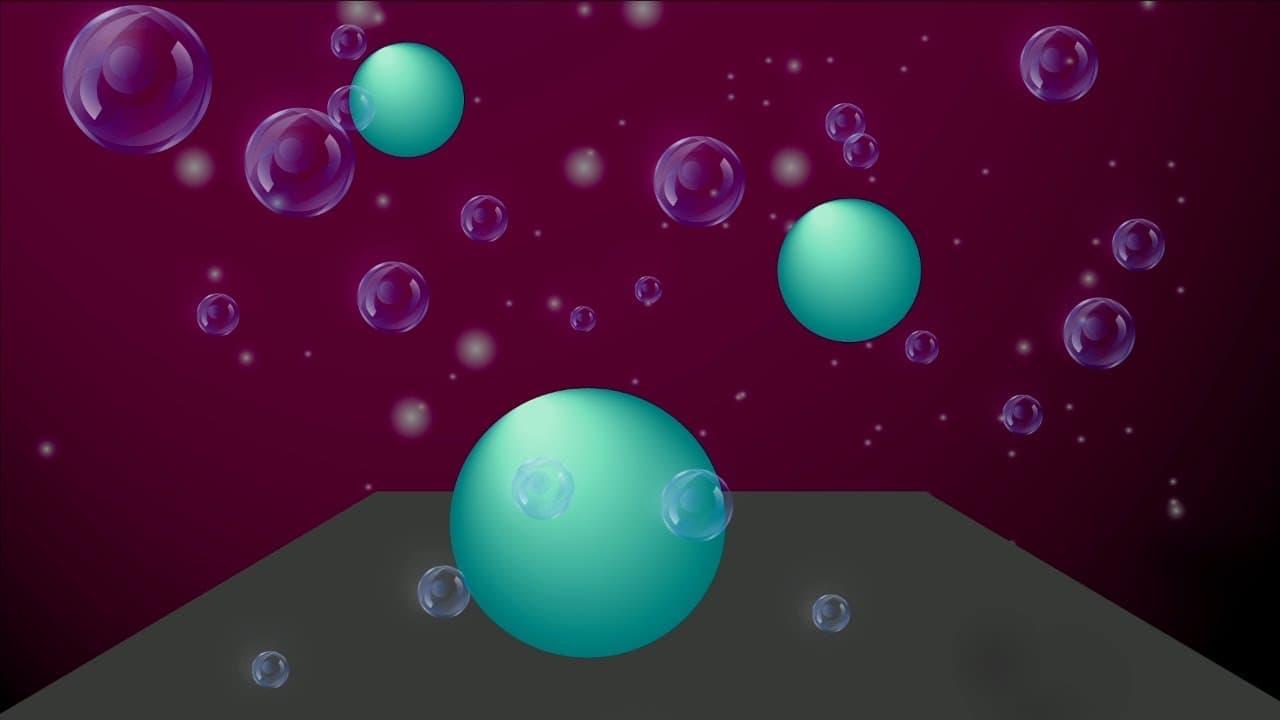
Current catalysts, represented by the green balls in the presentation, are inefficient and expensive. However, tethering them to an electrode using DNA improves efficiency and reduces costs, making the process more economically viable.
Q: How does DNA act as a wire in the CO2 conversion process?
The DNA bases in the structure of DNA can act like a stack of pennies, allowing electrons to flow through them. By tethering the catalysts to the electrode using DNA, we create a wired system that boosts the efficiency of CO2 conversion.
Q: What are the economic benefits of using DNA in CO2 conversion?
By incorporating DNA in the CO2 conversion process, the overall cost of converting CO2 into chemicals decreases by about 25%. This results in making carbon monoxide for $350 a ton, significantly cheaper than using fossil fuels.
Summary & Key Takeaways
-
Climate change impacts in Boston include increased heatwaves, rising sea levels, and heavier rainfall, leading to drainage system issues.
-
Everyday products like sunglasses are derived from fossil fuels, resulting in CO2 emissions when trashed and burned.
-
We need to shift to a circular system by using CO2 emitted to achieve negative emissions and create products, effectively turning emissions into opportunities.
Read in Other Languages (beta)
Share This Summary 📚
Summarize YouTube Videos and Get Video Transcripts with 1-Click
Try YouTube Summary with ChatGPT & Claude or YouTube Transcript Generator
Explore More Summaries from TEDx Talks 📚
Summarize YouTube Videos and Get Video Transcripts with 1-Click
Try YouTube Summary with ChatGPT & Claude or YouTube Transcript Generator