A Brief History of Mars Exploration
TL;DR
Ancient astronomers to modern NASA missions, journey through time to unravel Mars mysteries for future exploration.
Transcript
in the third millennium BCE early astronomers from Mesopotamia mapped the Stars giving names to constellations and planets they called the Red Planet Nergal after their God of War for the ancient Greeks the celestial body was likewise their God of War Ares ancient Romans gave it the name we use today Mars over a thousand years later in 1609 Galileo... Read More
Key Insights
- 📛 Mars has fascinated civilizations for millennia, inspiring names and myths.
- 👻 Advancements in telescopes allowed detailed observations of Mars' surface.
- 🎟️ NASA missions debunked the idea of Martian canals as optical illusions.
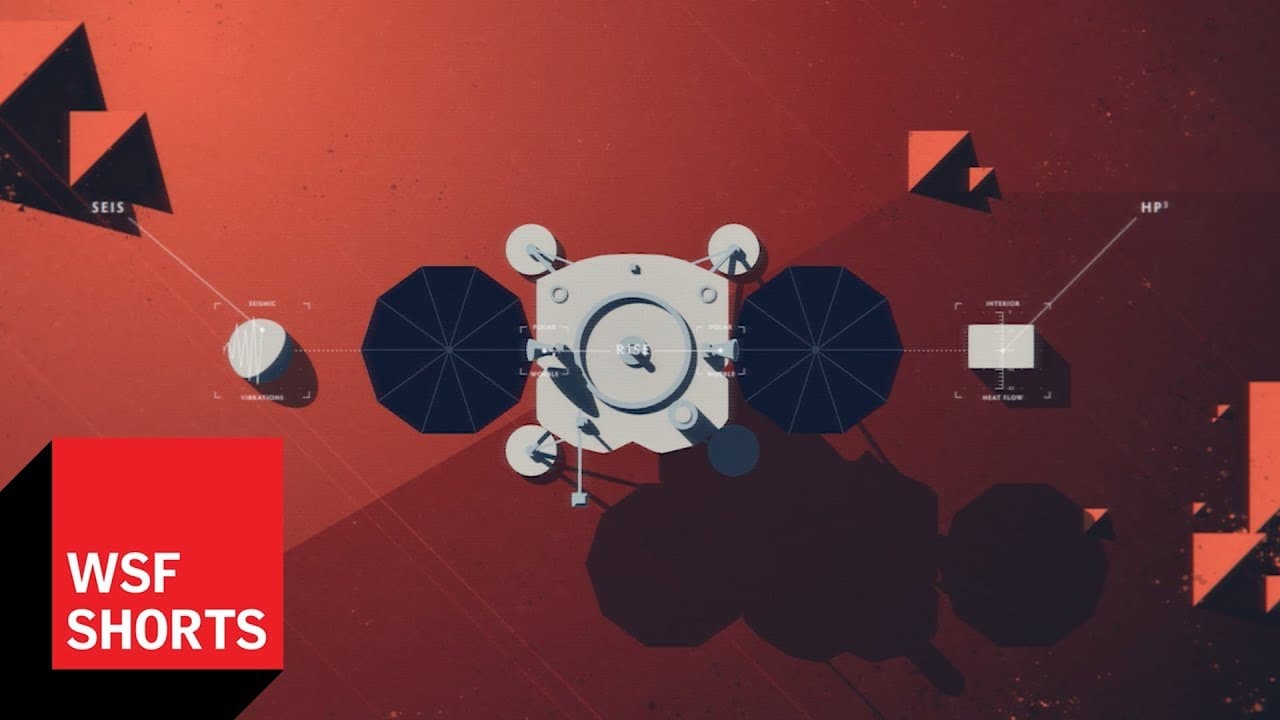
- 💁 The InSight Lander provided crucial information about Mars' interior structure.
- 🌱 Future plans by NASA, UAE, and SpaceX aim to make Mars exploration a reality.
- 🇲🇭 Carl Sagan's perspective on Mars emphasizes human curiosity and exploration.
- 🇲🇭 Mars represents a deep nomadic impulse in human history.
Install to Summarize YouTube Videos and Get Transcripts
Explore YouTube Video Summarizer or Get YouTube Transcript Extractor
Questions & Answers
Q: How did ancient civilizations view Mars?
Ancient Mesopotamians and Greeks associated Mars with their gods of war, while Romans named it Mars, reflecting its red hue.
Q: How did Galileo contribute to the study of Mars?
Galileo used a telescope in 1609 to observe Mars, which led to detailed observations of its surface features.
Q: What was the significance of Viking 1's mission to Mars?
Viking 1 successfully landed on Mars in 1975, providing the first images of the Martian surface and sparking further exploration.
Q: Why did NASA land the InSight Lander on Mars in 2018?
The InSight Lander aimed to explore Mars' interior structure, offering insights into the planet's evolution and helping understand our own planetary history.
Summary & Key Takeaways
-
Ancient Mesopotamians named Mars, sparking fascination.
-
Galileo's telescope provided closer look at the red planet.
-
NASA missions debunked Martian canals, paving the way for future exploration.
Read in Other Languages (beta)
Share This Summary 📚
Summarize YouTube Videos and Get Video Transcripts with 1-Click
Try YouTube Summary with ChatGPT & Claude or YouTube Transcript Generator
Explore More Summaries from World Science Festival 📚


Summarize YouTube Videos and Get Video Transcripts with 1-Click
Try YouTube Summary with ChatGPT & Claude or YouTube Transcript Generator