Rule of 70
TL;DR
The Rule of 70 estimates doubling time for economic growth.
Transcript
welcome everyone this is alex tabrock today we're going to be taking a look at the rule of 70. the rule of 70 is a simple rule of thumb which says that if a process is growing at a rate of x percent per period then the doubling time is approximately 70 divided by x periods so for example u.s gdp per capita grows at a rate of about two percent per p... Read More
Key Insights
- The Rule of 70 is a simple formula to estimate the doubling time of a growing process by dividing 70 by the growth rate.
- U.S. GDP per capita grows at about 2% annually, implying a doubling time of 35 years.
- China's GDP per capita has grown between 7-10% annually, doubling approximately every 7 years, indicating rapid economic growth.
- World population growth was around 2% in the 1960s and 1970s, doubling every 35 years, but has slowed to about 1% today.
- At a 1% growth rate, the world population now doubles every 70 years, alleviating concerns about overpopulation.
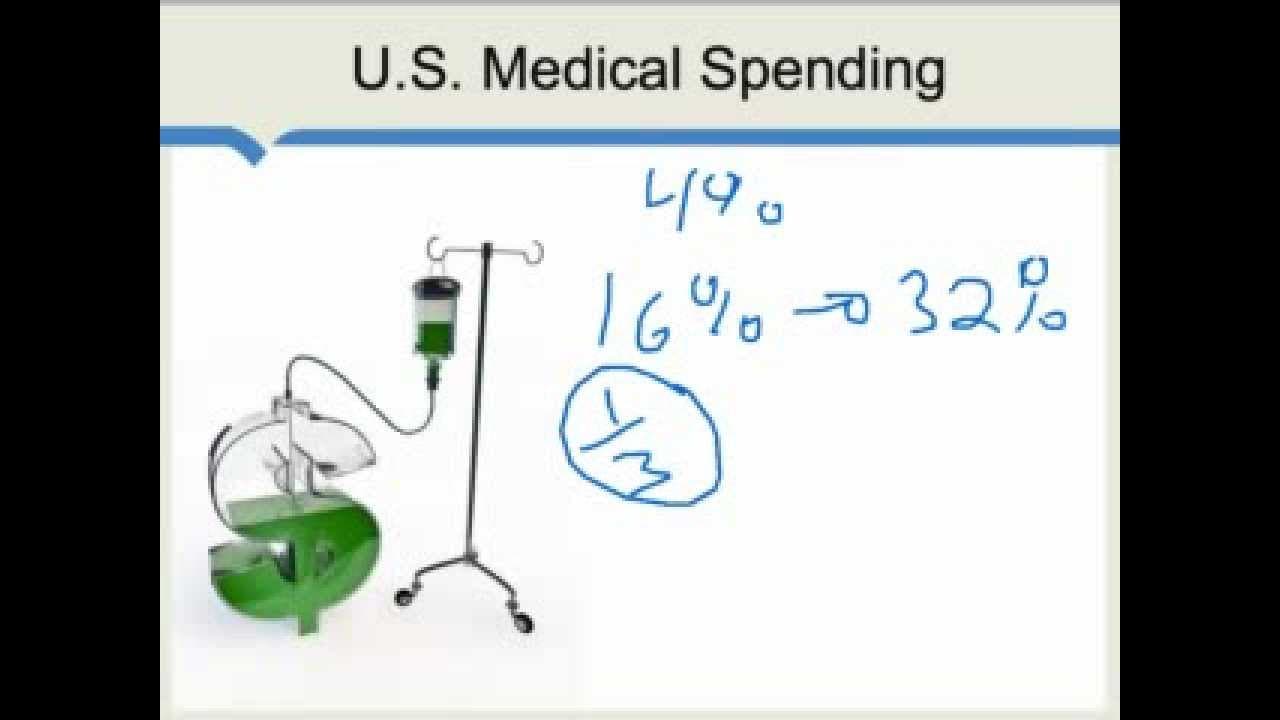
- U.S. medical spending has grown at 4% annually, doubling its share of GDP every 35 years, posing potential economic challenges.
- If current trends continue, medical spending could account for a third of the U.S. economy in 35 years.
- The Rule of 70 provides a quick way to understand growth impacts on economies and sectors, highlighting potential future challenges.
Install to Summarize YouTube Videos and Get Transcripts
Explore YouTube Video Summarizer or Get YouTube Transcript Extractor
Questions & Answers
Q: What is the Rule of 70?
The Rule of 70 is a formula used to estimate the time it takes for a quantity growing at a constant rate to double. It is calculated by dividing 70 by the annual growth rate percentage. This rule provides a quick way to understand how long it will take for economic indicators like GDP or population to double.
Q: How does U.S. GDP growth compare to China's?
U.S. GDP per capita grows at about 2% annually, leading to a doubling time of 35 years. In contrast, China's GDP per capita has been growing between 7-10% annually, resulting in a doubling time of approximately 7 years. This stark difference highlights China's rapid economic expansion compared to the U.S.
Q: What are the implications of current world population growth rates?
World population growth rates have declined from about 2% in the 1960s and 1970s to around 1% today. This means the population now doubles every 70 years, compared to every 35 years previously. The slower growth alleviates some concerns about overpopulation and resource strain, suggesting a more manageable future.
Q: How is the Rule of 70 applied to U.S. medical spending?
U.S. medical spending has been growing at 4% annually, doubling its share of GDP every 35 years. This rapid growth suggests that if trends continue, medical spending could account for a third of the U.S. economy in 35 years. This poses potential economic challenges, particularly for those with lower incomes.
Q: What challenges could arise from increasing medical spending in the U.S.?
If medical spending continues to grow at a rate faster than GDP, it could strain the economy, especially for individuals with lower incomes. As medical spending potentially reaches a third of the economy, it could lead to financial difficulties for many people, necessitating policy changes or spending adjustments.
Q: Why might China's economic growth slow down in the future?
China's rapid economic growth, driven by high GDP per capita increases, may slow down as the country becomes wealthier and growth rates naturally decline. As the economy matures, factors such as market saturation and demographic changes could contribute to a deceleration in growth rates.
Q: What historical trends are observed in world population growth?
In the late 1960s and early 1970s, world population growth was about 2% per year, doubling every 35 years. Today, growth has slowed to approximately 1% per year, doubling every 70 years. This decline reflects changes in birth rates, economic development, and global demographic shifts.
Q: How does the Rule of 70 provide insight into economic and demographic trends?
The Rule of 70 offers a straightforward method to estimate doubling times, allowing for quick assessments of growth impacts on economies and populations. By applying this rule, one can anticipate future challenges and opportunities, such as resource needs, economic planning, and policy development.
Summary & Key Takeaways
-
The Rule of 70 is a financial concept that helps estimate the doubling time of a process growing at a constant rate by dividing 70 by the growth rate percentage. This rule is applied to understand economic growth, population increase, and other expanding metrics.
-
The video explains how the Rule of 70 can be used to compare economic growth rates between countries, such as the U.S. and China, and to assess the implications of these differences over time. It highlights China's rapid growth compared to the U.S.
-
The concept is also applied to world population growth, showing a significant decline in growth rates from the 1960s to today. Additionally, it examines the rapid increase in U.S. medical spending, projecting future economic impacts if trends continue.
Read in Other Languages (beta)
Share This Summary 📚
Summarize YouTube Videos and Get Video Transcripts with 1-Click
Try YouTube Summary with ChatGPT & Claude or YouTube Transcript Generator
Explore More Summaries from Marginal Revolution University 📚

Summarize YouTube Videos and Get Video Transcripts with 1-Click
Try YouTube Summary with ChatGPT & Claude or YouTube Transcript Generator