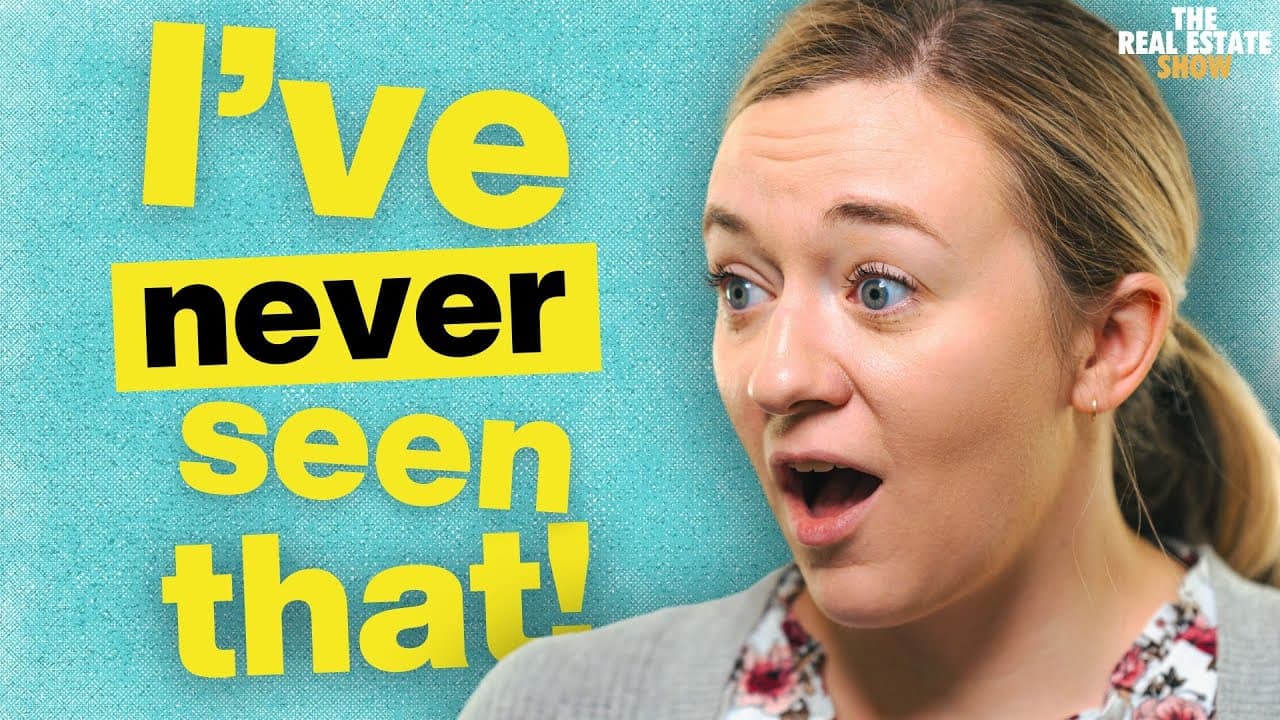
They Faked Their Death And Moved To Another Country!
TL;DR
Real estate professionals need to be aware of growing scams, such as sellers faking their own deaths and marital secrets emerging during closings, to protect themselves and their clients.
Transcript
on this episode of the real estate show we are joined by Chris cabanis who is the vice president of commercial operations and Senior title council at Tryon title and we talk about the seller this year that faked his own death the unique experience we have both had in closings where marital Secrets come out at the closing table and some scams that y... Read More
Key Insights
- ❓ Real estate scams, such as sellers faking their own deaths, are becoming more prevalent.
- 🆘 Vigilance and thorough verification processes can help prevent fraudulent transactions.
- ❓ Collaborating with a title council experienced in the closing process can provide valuable insights and solutions.
- 🏝️ Common scams include vacant land scams, where fraudulent transactions take place, often involving fake buyers and fake bank statements.
- 😍 Agents should be cautious of red flags, such as rushed closings, lack of face-to-face communication, and inconsistent information.
- 🧡 The consequences of fraudulent transactions can range from financial loss to legal disputes and reputation damage.
- 🐢 Slowing down transactions, verifying identities, and using secure communication methods can help mitigate risks.
Install to Summarize YouTube Videos and Get Transcripts
Explore YouTube Video Summarizer or Get YouTube Transcript Extractor
Questions & Answers
Q: What are some common real estate scams to be aware of?
Common scams include sellers faking their deaths, fraudulent vacant land transactions, and fake buyers sending fake bank statements to retrieve excess funds.
Q: How can real estate professionals protect themselves and their clients from scams?
Professionals should verify identities, conduct video chats, use secure communication methods, and ensure all parties involved are legitimate. Slowing down transactions and taking the time to verify details can prevent fraudulent deals.
Q: What are the risks associated with fraudulent transactions?
Fraudulent transactions can result in financial loss, legal disputes, and a damaged reputation. There have been cases where properties were sold without the knowledge of the true owner, leading to the need for legal action to resolve the situation.
Q: How can real estate agents identify red flags?
Red flags may include a rush to close, only communicating via email, refusal to use video chat, and inconsistent or suspicious documents. It is crucial to trust your instincts and thoroughly investigate any signs of potential fraud.
Summary & Key Takeaways
-
Chris Cabanis, VP of Commercial Operations and Senior Title Council at Tryon Title, discusses real estate scams, including a seller faking their own death, discoveries of marital secrets during closings, and increasing scams in the area.
-
Cabanis highlights the importance of being vigilant and identifying red flags to prevent fraudulent transactions.
-
He shares insights from his private practice experience and emphasizes the value of having a title council who understands the closing process and is solution-focused.
Read in Other Languages (beta)
Share This Summary 📚
Summarize YouTube Videos and Get Video Transcripts with 1-Click
Try YouTube Summary with ChatGPT & Claude or YouTube Transcript Generator
Explore More Summaries from The Real Estate Lawyer 📚

Summarize YouTube Videos and Get Video Transcripts with 1-Click
Try YouTube Summary with ChatGPT & Claude or YouTube Transcript Generator