New Research Says Tesla Just SCREWED The “Competition”, HARD.
TL;DR
Price cuts on EVs are due to incentives and tax credit corruption, not oversupply; Tesla continues to drive industry changes.
Transcript
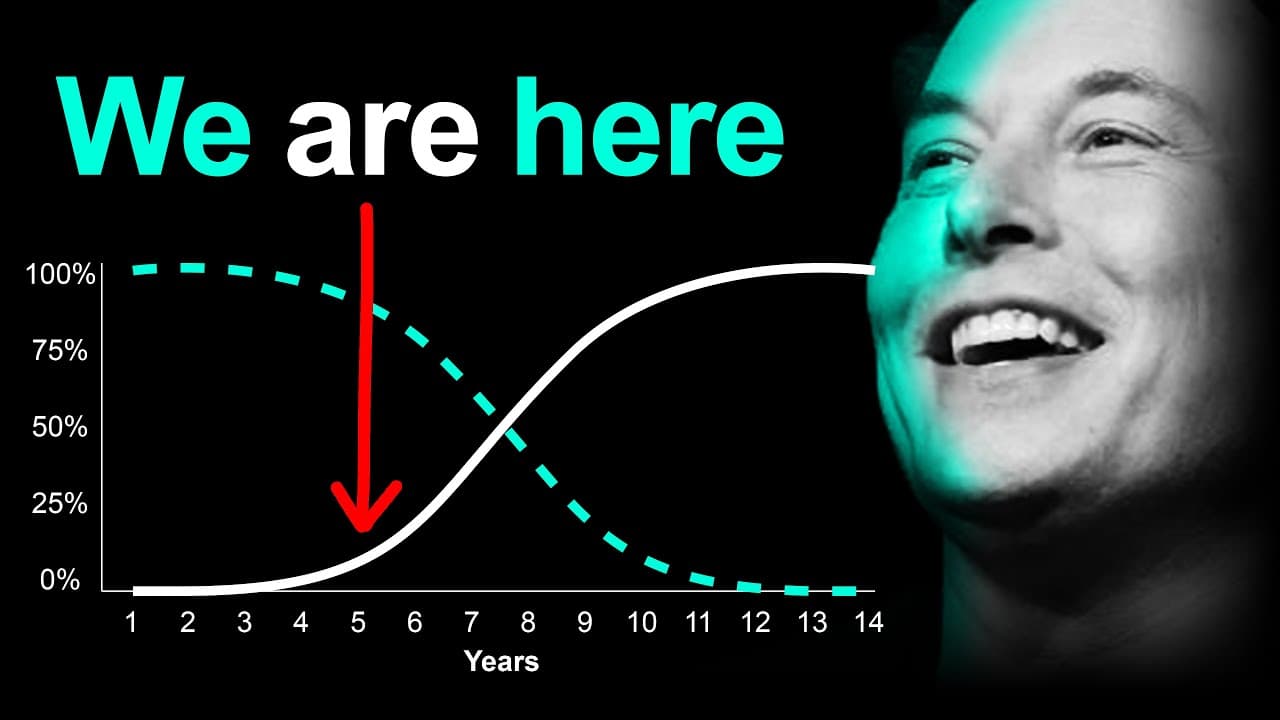
in this video I'll do my absolute best not to claw my eyeballs out as I read a new research note from Morgan Stanley claiming that there is an oversupply of EVS globally right now that's right ladies and gentlemen this isn't a disruptive technology it isn't inevitable we're not seeing exponential adoption no no no there are now questions in fact th... Read More
Key Insights
- 💇 Price cuts in the EV industry are not indicative of oversupply but are strategic responses to incentives and market dynamics.
- 🍉 Tesla's pricing strategy focuses on software, autonomy, and long-term profitability rather than short-term hardware margins.
- 🤩 Regulatory incentives and cost reductions are key drivers of the deflationary path in EV prices, making them more accessible to consumers.
Install to Summarize YouTube Videos and Get Transcripts
Explore YouTube Video Summarizer or Get YouTube Transcript Extractor
Questions & Answers
Q: Why are there price cuts in the EV industry according to the content?
The price cuts are influenced by upcoming incentives and tax credit issues, driving adjustments in pricing to cater to consumer behavior and timing of purchases.
Q: How does Tesla's pricing strategy differ from other EV manufacturers?
Tesla's pricing strategy is driven by a focus on software, autonomy, and long-term profitability, leveraging its fleet data and customer loyalty for sustainable growth.
Q: What is the main misconception addressed in the content regarding EV demand?
The misconception is about oversupply when, in reality, pricing adjustments are temporary and driven by factors like incentives, not due to lack of demand.
Q: How do the cost dynamics in the EV industry impact pricing trends?
Cost reductions, scaling improvements, and regulatory incentives contribute to a deflationary trend in EV prices, making them more affordable and driving higher demand.
Summary & Key Takeaways
-
Morgan Stanley's claim of an oversupply of EVs globally is refuted with evidence of pricing adjustments due to incentives and corruption in tax credits.
-
Tesla's price cuts are strategic and aimed at pulling forward demand, not indicative of insufficient demand or oversupply.
-
The EV industry is on a deflationary path, driven by scaling up production, cost reductions, and regulatory incentives.
Read in Other Languages (beta)
Share This Summary 📚
Summarize YouTube Videos and Get Video Transcripts with 1-Click
Try YouTube Summary with ChatGPT & Claude or YouTube Transcript Generator
Explore More Summaries from Solving The Money Problem 📚


Summarize YouTube Videos and Get Video Transcripts with 1-Click
Try YouTube Summary with ChatGPT & Claude or YouTube Transcript Generator