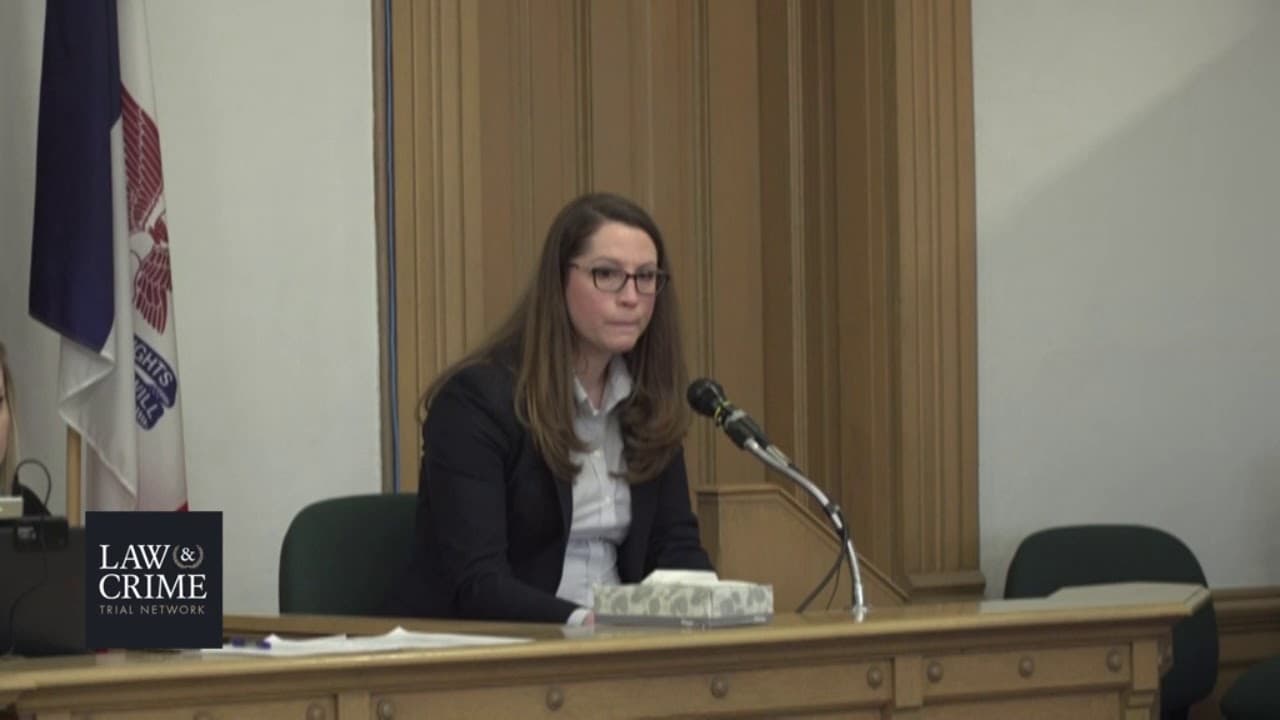
Kelsie Thomas Trial Day 2 - Amanda Misencik - Criminalist & Inv Michael Sieren - Defendant's Crime
TL;DR
A criminalist explains the meticulous process of conducting DNA analysis in forensic investigations.
Transcript
en si I K I am employed with the Iowa Division of Criminal Investigation in the criminalistics laboratory my title is a criminalist I have been we commonly call out that Iowa DCI Crime Lab I've been been employed there since May of 2015 I work within the DNA section my primary duties would involve examining items submitted to the laboratory for the... Read More
Key Insights
- 🧬 DNA is the blueprint of the body, unique to individuals and found in most cells.
- 🧬 The forensic DNA analysis process involves extracting, copying, and comparing DNA profiles for investigative purposes.
- 🥇 Controls are in place at each step of DNA analysis to maintain quality and reliability.
- 💦 The criminalist works in a specialized DNA section, processing items for body fluids and DNA presence.
- 🏑 Continuing education and professional memberships are crucial for staying updated in the field.
- ❓ Accreditation ensures compliance with testing standards for accurate results.
- 🔪 The process of collecting and analyzing evidence, such as sexual assault kits, is stringent and meticulous.
Install to Summarize YouTube Videos and Get Transcripts
Explore YouTube Video Summarizer or Get YouTube Transcript Extractor
Questions & Answers
Q: What are the primary duties of a criminalist working in the DNA section of a crime lab?
A criminalist's duties involve examining items for body fluids and DNA presence, writing reports based on analysis, and testifying in court when needed.
Q: What specialized training is required for a criminalist in forensic DNA analysis?
Training includes programs in forensic biology and DNA analysis, involving laboratory and written exercises before conducting independent casework.
Q: How does the forensic DNA analysis process work?
The process includes extracting DNA from samples, copying it for analysis, developing DNA profiles, and comparing them to known samples for identification or exclusion.
Q: What are the quality control measures in place during DNA analysis?
Positive and negative controls are used at each step to ensure reliability, along with compliance with testing standards for accreditation.
Summary & Key Takeaways
-
The criminalist works in the DNA section of the Iowa DCI Crime Lab, examining items for body fluids and DNA presence.
-
Training includes specialized programs in forensic biology and DNA analysis.
-
The forensic DNA analysis process involves extracting, copying, and comparing DNA profiles for investigative purposes.
Read in Other Languages (beta)
Share This Summary 📚
Summarize YouTube Videos and Get Video Transcripts with 1-Click
Try YouTube Summary with ChatGPT & Claude or YouTube Transcript Generator
Explore More Summaries from Law&Crime Network 📚



Summarize YouTube Videos and Get Video Transcripts with 1-Click
Try YouTube Summary with ChatGPT & Claude or YouTube Transcript Generator