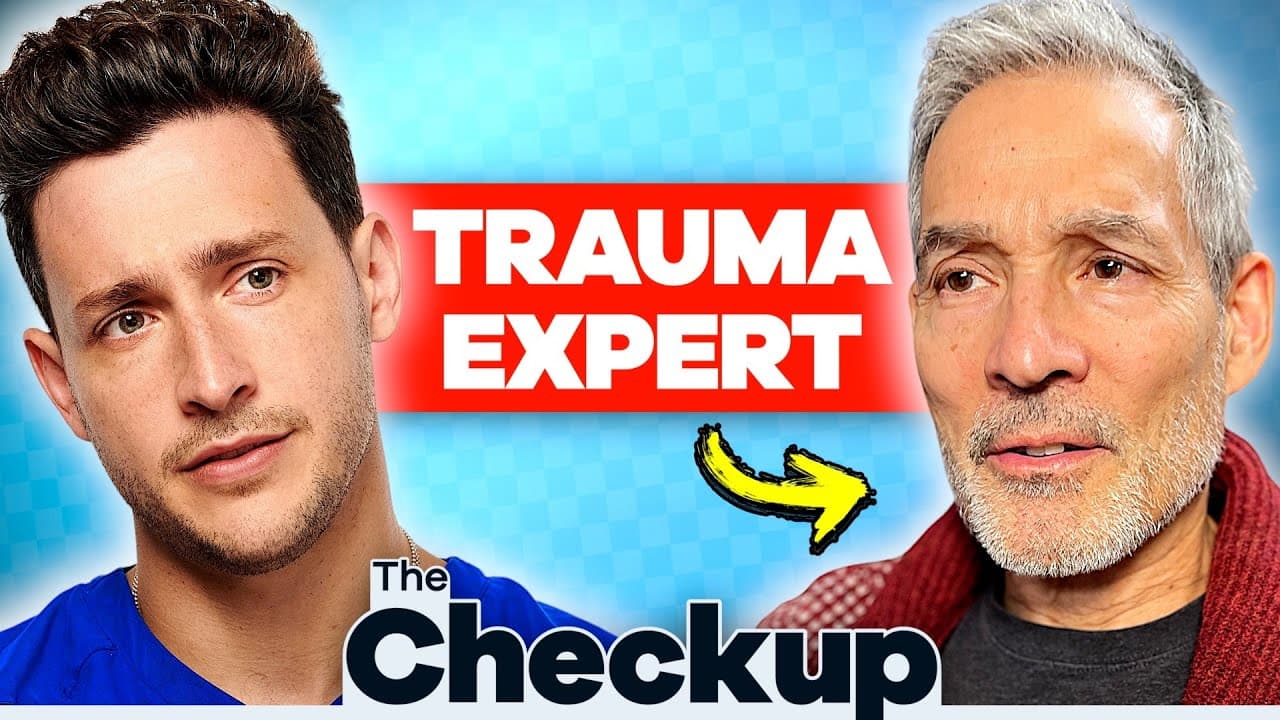
Overusing The Word "Trauma" & Critique Of The Body Keeps The Score
TL;DR
Professor Bonanno challenges trauma misconceptions, emphasizing resilience and the normality of coping.
Transcript
- I went through some childhood trauma stuff that I never really talked about on social media, but I was always under the impression that that was somehow gonna impact me to this day negatively. And it didn't. And I always felt like I was doing something wrong because it didn't affect me negatively. As if I should have been traumatized, but I'm not... Read More
Key Insights
- 🥺 Resilience is the prevailing outcome for many who experience trauma, contradicting the narrative that trauma leads to lifelong dysfunction.
- 🤳 Misunderstandings in the definition of trauma cause some to self-diagnose unnecessarily, thus compounding stress.
- ❓ Exposure therapy and cognitive behavioral therapy are effective interventions for those struggling with PTSD.
- ❓ The DSM's evolving definitions of trauma have contributed to confusion surrounding trauma’s impact and treatment.
- ❓ Cultural narratives surrounding trauma often overshadow the actual experiences of resilience among individuals.
- 🤔 Critical thinking about media portrayals of trauma is essential to combat misinformation and enhance public understanding.
- 🌸 Emotional processes such as sadness serve vital functions in coping with loss and promoting healing.
Install to Summarize YouTube Videos and Get Transcripts
Explore YouTube Video Summarizer or Get YouTube Transcript Extractor
Questions & Answers
Q: What is the fundamental difference between potentially traumatic events (PTEs) and trauma?
Potentially traumatic events are situations that could lead to trauma but don’t always result in a traumatic response. Trauma refers to the lasting impact or negative psychological effects that occur when one cannot cope with or process the PTE adequately. It emphasizes how subjective reactions to experiences can complicate the understanding of trauma.
Q: How does Bonanno define trauma?
Trauma is defined as a significantly distressing event that activates a deep stress response, causing persistent disruption in one’s life. Bonanno distinguishes between events that may feel traumatic and those that genuinely culminate in trauma, emphasizing that many people experience significant adversity without long-term negative effects.
Q: What is the significance of resilience according to Bonanno?
Resilience is portrayed as the norm rather than the exception. Bonanno presents evidence showing that a substantial majority of individuals exposed to distressing events recover well and lead fulfilling lives, highlighting human adaptability and the ability to bounce back from adversity.
Q: What role does social media play in perceptions of trauma?
Social media can amplify negative perceptions by spreading misinformation and contributing to a culture where individuals self-diagnose as traumatized from everyday challenges. Bonanno suggests a need for critical thinking about trauma-related discussions online as it may lead to overpathologizing normal emotional responses.
Q: Should individuals who experience trauma always seek help?
Seeking help is particularly recommended if symptoms persist beyond the initial month after a traumatic event. Understanding one’s reactions and whether they fit the criteria for PTSD can guide the decision to pursue support from mental health professionals.
Q: How does the understanding of trauma impact mental health treatment?
A broader understanding that most individuals are resilient encourages a focus on coping strategies and strengths rather than emphasizing trauma alone. This shift can lead to more constructive therapeutic approaches, fostering a sense of agency and empowerment in individuals seeking help.
Q: What are the implications of Bonanno’s findings for therapy?
Therapists may need to emphasize resilience and coping strategies instead of solely focusing on trauma. This includes helping clients recognize their adaptability and work through feelings positively, as well as addressing long-term repercussions when necessary.
Q: How can individuals foster resilience after experiencing a traumatic event?
People can cultivate resilience by engaging in self-reflection, setting small, achievable goals, utilizing social support networks, and practicing healthy coping strategies. Consistent evaluation of their emotional responses to challenges can promote their mental well-being.
Summary & Key Takeaways
-
Professor George Bonanno discusses how resilience is more common than trauma, contradicting the idea that all childhood trauma results in lifelong issues. This challenges prevalent societal beliefs about trauma and healing.
-
He analyzes the evolving definitions of trauma in psychology, focusing on potentially traumatic events versus actual trauma reactions, stressing the importance of understanding individual experiences.
-
Bonanno underscores the role of flexibility in coping strategies, suggesting that mental health can flourish through self-awareness, adaptation, and recognizing resilience in oneself.
Read in Other Languages (beta)
Share This Summary 📚
Summarize YouTube Videos and Get Video Transcripts with 1-Click
Try YouTube Summary with ChatGPT & Claude or YouTube Transcript Generator
Explore More Summaries from The Checkup with Doctor Mike 📚



Summarize YouTube Videos and Get Video Transcripts with 1-Click
Try YouTube Summary with ChatGPT & Claude or YouTube Transcript Generator