Psychologist Debunks Alternative Medicine | Dr. Jonathan Stea
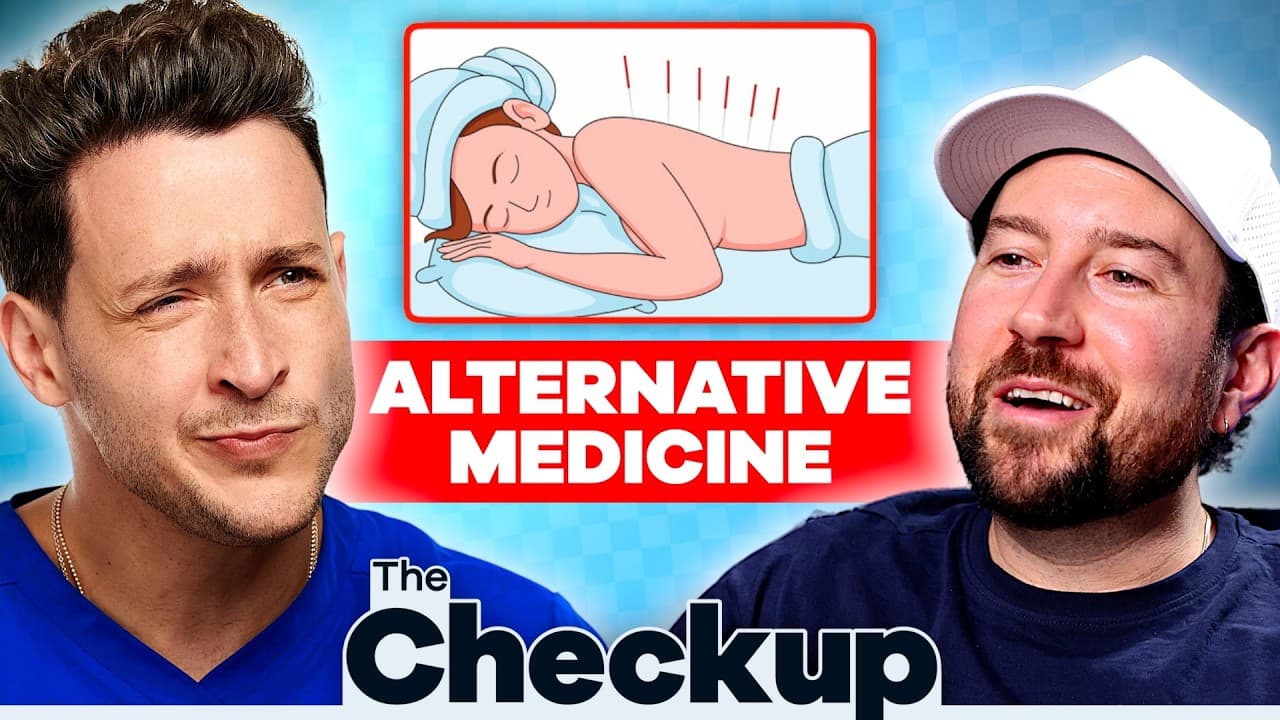
TL;DR
The rise of misinformation is harming mental health understanding and treatment.
Transcript
- Is the world of psychologists, psychiatrists struggling these days with the rise of influencers saying things like? - I believe that feeling depressed is real. I don't believe depression as a clinical disease is real. - Is it making difficult for you to take care of your patients? - Yes.
- [Mike] Why? - He's tweeting to hundreds of millions of pe... Read More
Key Insights
- 🧑⚕️ Misinformation about mental health is pervasive and often propagated by influential figures, undermining public understanding.
- 🧑⚕️ Social media significantly accelerates the spread of false claims about mental health, which can result in detrimental effects on individuals' willingness to seek treatment.
- 😑 There is a pressing need for better access to mental health care, as many patients face long waits for essential services, often turning to alternative treatments out of desperation.
- 👶 Evidence-based practices, while effective, still fail many patients, highlighting the importance of ongoing research and development of new treatments.
- 🧑⚕️ The therapeutic alliance between patients and healthcare providers is a critical component of successful mental health treatment, often extending beyond specific techniques.
- ⚓ Patients' emotional experiences, including sadness and anxiety, serve valuable purposes, anchoring them to necessary coping mechanisms for resilience.
- 🧑⚕️ There is a historical context to anti-psychiatry movements, causing discord between health professionals and patients seeking legitimate answers to their mental health struggles.
Install to Summarize YouTube Videos and Get Transcripts
Explore YouTube Video Summarizer or Get YouTube Transcript Extractor
Questions & Answers
Q: How has misinformation on social media affected mental health perceptions?
Misinformation spreads rapidly on social media platforms, causing individuals to question the validity of mental health conditions. Influencers claiming that mental illness is merely a weakness jeopardize patients' understanding and acceptance of legitimate struggles like depression and anxiety, affecting their willingness to seek help.
Q: What role do ethical concerns play in the rise of alternative medicine?
Alternative medicine often capitalizes on patient desperation and distrust of mainstream healthcare. Some practitioners lack proper training and licensing, making it crucial for individuals to discern credible treatment options from potentially harmful pseudoscience that exploits vulnerable populations.
Q: Can lifestyle changes effectively replace medications for mental health issues?
While lifestyle modifications like exercise and diet are crucial for mental health, they should complement prescribed treatments rather than replace them. It's essential to recognize that some mental health conditions require medication, and dismissing them can be irresponsible and detrimental to well-being.
Q: Why do some researchers and healthcare professionals criticize psychotherapies like the DSM?
The DSM has evolved, sometimes complicating diagnoses as it expands. Critics argue that this can lead to over-diagnosis and the medicalization of normal experiences, creating skepticism towards psychotropic medications. Furthermore, some therapies have been shown to do more harm, necessitating careful evaluations of treatment approaches.
Q: How do we balance the need for rapid mental health treatment with evidenced care?
Patients often face long waits for specialized care, leading to temporary solutions through alternative methods. To address this, increased funding for mental health resources, improved accessibility, and better training for general practitioners to recognize and treat mental illness are needed.
Summary & Key Takeaways
-
Mental health misinformation is perpetuated by influencers claiming that conditions like depression don't exist, creating confusion and stigma around mental illness.
-
Psychologists and psychiatrists face challenges from the proliferation of unverified health claims, with social media amplifying false narratives about mental health.
-
Effective treatments exist, but patients often struggle to access reliable care, leading to the popularity of pseudoscientific alternatives.
Read in Other Languages (beta)
Share This Summary 📚
Summarize YouTube Videos and Get Video Transcripts with 1-Click
Try YouTube Summary with ChatGPT & Claude or YouTube Transcript Generator
Explore More Summaries from The Checkup with Doctor Mike 📚

Summarize YouTube Videos and Get Video Transcripts with 1-Click
Try YouTube Summary with ChatGPT & Claude or YouTube Transcript Generator