How To Shop For Houseplants, Explained By A Plant Expert | Architectural Digest
TL;DR
Learn how to choose the perfect indoor plants based on lighting needs, environmental assessment, and natural habitats, and get tips on caring for them.
Transcript
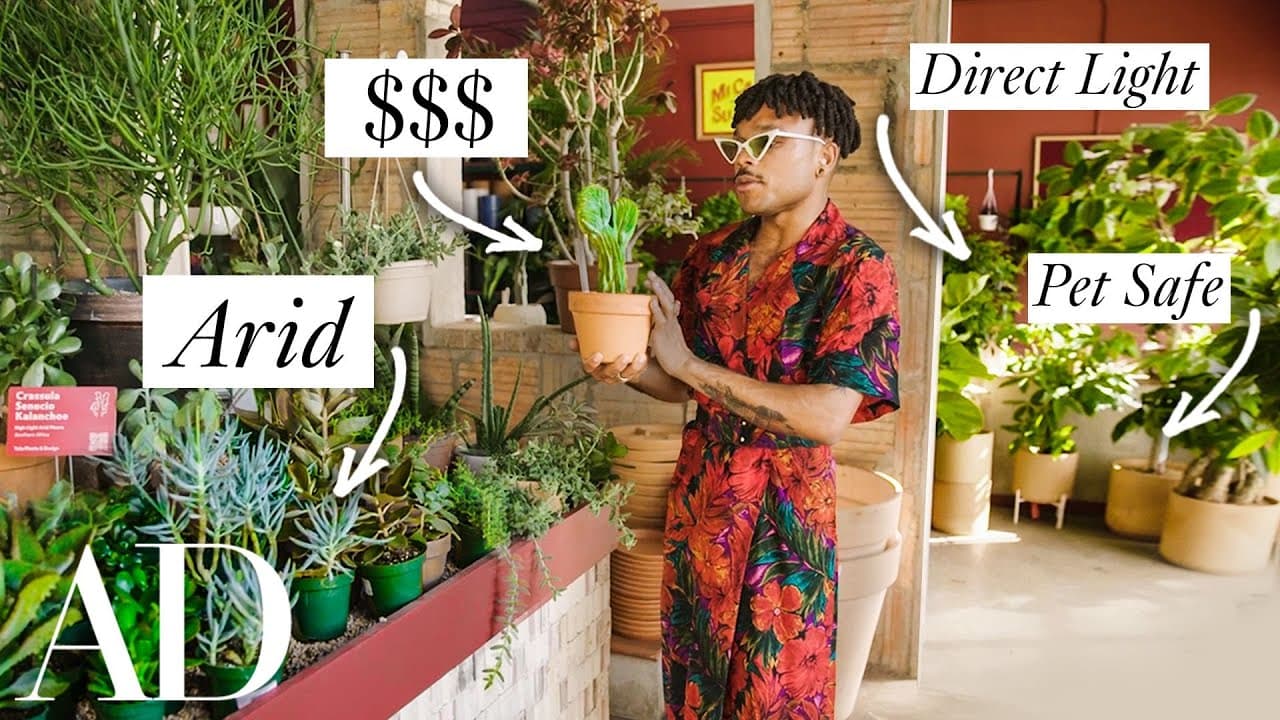
but hello darling this is tula one of my favorite plant shops in brooklyn and honey they have a lot of plants but with so many green girls to choose from it can be hard to know where to start i'm going to walk you through almost every plant in this store and show you how i shop for the perfect green girl and how you can too all right darling so one... Read More
Key Insights
- 🌱 Plant shops often arrange their plants based on their lighting needs, making it easier for customers to find suitable plants for their home.
- 👾 Conduct an environmental assessment of your space by analyzing the lighting conditions in different directions (north, south, east, west) to understand which plants will thrive.
- 💗 Mimicking the natural habitat of plants, such as providing climbing support or using humidity trays, can help them grow healthier.
- 🌱 Consider the accessibility and popularity of certain plants when determining their prices.
- 🌱 Basic indoor plants like pothos, snake plants, ZZ plants, and rubber trees are equally beautiful as rare plants and can thrive with proper care.
- 👻 Water succulents, cacti, and euphorbia thoroughly but less frequently, allowing the soil to dry out completely between waterings.
- 🙂 Differentiate between direct and indirect light when placing plants, as some may need filtered ambient light rather than direct sunlight.
Install to Summarize YouTube Videos and Get Transcripts
Explore YouTube Video Summarizer or Get YouTube Transcript Extractor
Questions & Answers
Q: How can I choose indoor plants based on lighting needs?
Pay attention to the positioning of plants in the shop, as they are often grouped based on their lighting preferences. Choose plants that match the lighting conditions in your home, such as bright light-loving plants for south-facing windows and low light-tolerant plants for north-facing windows.
Q: Are there any plants that are safe for pets and children?
Yes, some plants are considered pet-safe and non-toxic for children. Look for labels or signage indicating which plants are safe to have around pets or kids. It's important to ensure the safety of your loved ones when selecting plants for your home.
Q: How can I mimic the natural habitat of indoor plants?
Research the natural habitats of the plants you are interested in and try to recreate similar conditions in your home. Consider factors like humidity levels, temperature, and lighting intensity. This will help your plants thrive and feel more at home.
Q: How can I experiment with different lighting conditions for my plants?
Buy multiple plants of the same species and place them in different areas of your home with varying lighting conditions. Observe their growth and health to determine which location suits them best. You can then consolidate the plants in the ideal spot.
Summary & Key Takeaways
-
Tula, a plant shop in Brooklyn, offers a wide variety of indoor plants, including tropical and arid species.
-
The plants are situated based on their lighting needs, with bright light-loving plants at the front and low light-tolerant ones at the back.
-
Before choosing plants, consider the environmental assessment of your space, including lighting direction and intensity.
Read in Other Languages (beta)
Share This Summary 📚
Summarize YouTube Videos and Get Video Transcripts with 1-Click
Try YouTube Summary with ChatGPT & Claude or YouTube Transcript Generator
Explore More Summaries from Architectural Digest 📚






Summarize YouTube Videos and Get Video Transcripts with 1-Click
Try YouTube Summary with ChatGPT & Claude or YouTube Transcript Generator