Historian on the KKK: Ku Klux Klan | Jeremi Suri and Lex Fridman
TL;DR
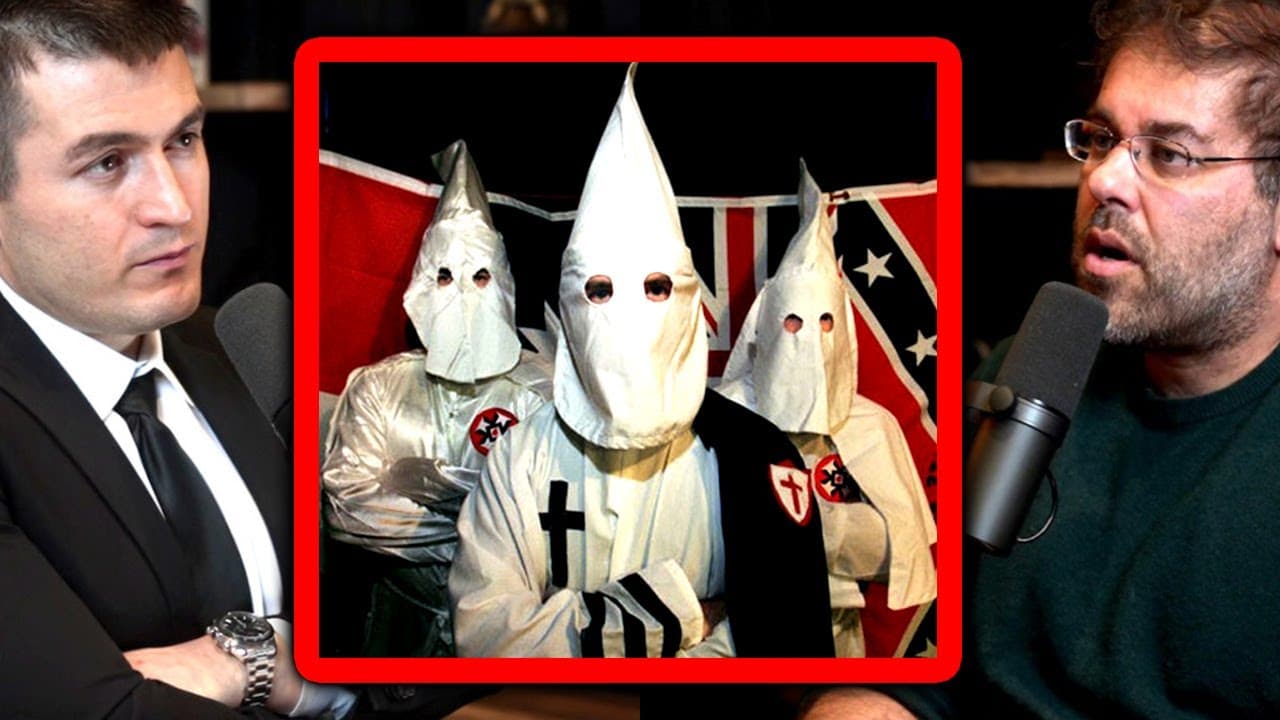
Grant's presidency led to the passage of laws that are still used today to prosecute insurrectionists, including the 1871 anti-Ku Klux Klan law. The KKK emerged as Confederate veterans sought to protect their power and suppress various groups, infiltrating institutions like the police. Understanding this history is crucial in the debate on policing and recognizing the lasting effects it has on society.
Transcript
we still use many of the laws that were passed during Grant's presidency to prosecute insurrectionists so the 900 or so people who have been prosecuted for breaking into the capital and attacking police on January 6. those insurrectionists they've been prosecuted under the 1871 anti-clu Klux Klan law so that's a big accomplishment by Grant and we s... Read More
Key Insights
- 🥺 Grant's presidency led to the passage of laws still used today to prosecute insurrectionists.
- 😑 The Ku Klux Klan emerged after the Civil War, aiming to maintain the power of pre-slavery families and suppress marginalized groups.
- 👥 The KKK and similar groups played a significant role in preventing certain groups, particularly African Americans, from exercising their right to vote.
- 👮 The KKK infiltrated institutions, such as the police, which had a lasting impact on the history of policing and institutional racism.
- 👮 Recognizing and understanding this history is crucial in the ongoing debate on policing and addressing the lasting effects of institutional racism.
- 😷 The history of the KKK and similar groups demonstrates the importance of asking tough questions and conducting in-depth research when interviewing controversial figures.
- ❓ It is essential to differentiate between boosting someone's platform and conducting meaningful interviews that challenge and expose the true nature of these figures.
Install to Summarize YouTube Videos and Get Transcripts
Explore YouTube Video Summarizer or Get YouTube Transcript Extractor
Questions & Answers
Q: What laws passed during Grant's presidency are still used today to prosecute insurrectionists?
Laws such as the 1871 anti-Ku Klux Klan law are still utilized to prosecute individuals involved in the attack on the Capitol on January 6. These laws were initially enacted during Grant's presidency to combat the Ku Klux Klan's activities and ensure justice for their victims.
Q: How did the Ku Klux Klan emerge after the Civil War?
The Ku Klux Klan was formed by Confederate veterans who sought to protect their power and continue the oppression of African Americans and other marginalized groups. They used intimidation and violence to suppress individuals who challenged their authority and prevent them from exercising their rights, including voting.
Q: How did the KKK infiltrate institutions like the police?
In many cases, KKK members became part of institutions, including the police. By occupying positions of power within the police force, they were able to further their goals and ensure the continued dominance of the pre-slavery families they aimed to protect. This infiltration had a significant impact on the history of policing and institutional racism.
Q: Why is understanding the history of the KKK important in the debate on policing?
Understanding the history of the KKK's infiltration of institutions like the police is crucial in the present-day debate on policing. It helps shed light on the long-lasting effects of institutional racism and emphasizes the need for reform to address these historical echoes.
Summary & Key Takeaways
-
Laws passed during Grant's presidency, such as the 1871 anti-Ku Klux Klan law, are still used today to prosecute insurrectionists involved in the January 6 attack on the Capitol.
-
The Ku Klux Klan was formed by Confederate veterans after the Civil War. They aimed to protect the power of pre-slavery families and suppress African Americans, Jews, Catholics, and others through intimidation and violence.
-
The KKK and similar groups like the red shirts played a significant role in preventing people from voting, particularly targeting African Americans. The KKK infiltrated and, in some cases, became part of institutions such as the police.
Read in Other Languages (beta)
Share This Summary 📚
Summarize YouTube Videos and Get Video Transcripts with 1-Click
Try YouTube Summary with ChatGPT & Claude or YouTube Transcript Generator
Explore More Summaries from Lex Clips 📚



Summarize YouTube Videos and Get Video Transcripts with 1-Click
Try YouTube Summary with ChatGPT & Claude or YouTube Transcript Generator