Let It Go, Ride the Wind | The Taoist Philosophy of Lieh Tzu
TL;DR
Explore the ancient Taoist text Lieh Tzu and learn how to ride the wind with a lightness of being and freedom from desires.
Transcript
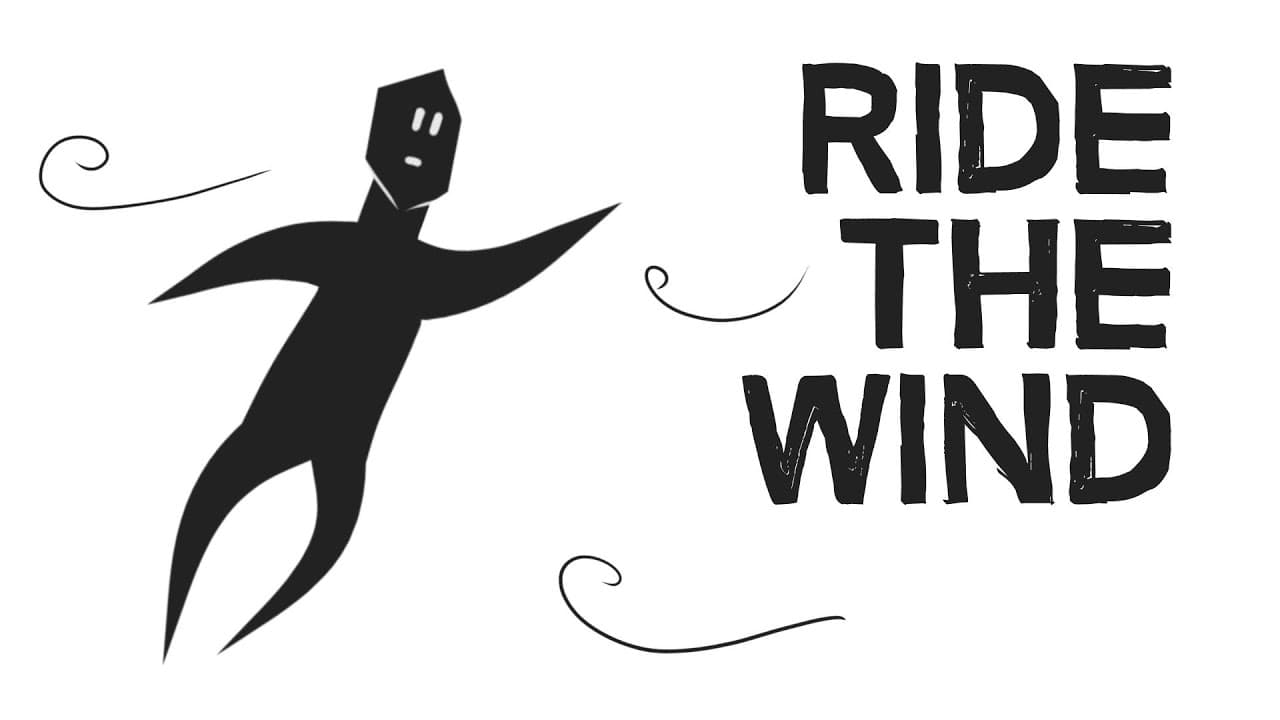
The ancient Taoist text Zhuangzi describes Lieh Tzu as the sage who rode the wind with an admirable indifference to external things, and thus, in his lightness he was free from all desires to pursue the things that supposedly make us happy. Lieh Yokuo, also known as Lieh Tzu or Master Lie, is attributed as the author of the eponymous ancient Taoist... Read More
Key Insights
- 💌 Lieh Tzu's philosophy emphasizes the importance of letting go of desires and attachments to achieve a state of weightlessness and spontaneity.
- 💐 The Taoist text explores the nature of reality, human tendencies to sabotage themselves, and the pursuit of effortless living through aligning with the natural flow of life.
- 🛟 The concept of riding the wind serves as a metaphor for achieving a mental state where external circumstances do not weigh individuals down, allowing them to move lightly through life.
Install to Summarize YouTube Videos and Get Transcripts
Explore YouTube Video Summarizer or Get YouTube Transcript Extractor
Questions & Answers
Q: Who is Lieh Tzu, and what does the ancient Taoist text attributed to him focus on?
Lieh Tzu, also known as Lieh Yokuo, is believed to be the sage who authored an essential Taoist scripture exploring the nature of reality, human tendencies, and the pursuit of effortless living.
Q: How did Lieh Tzu and the Yellow Emperor achieve a state of lightness and freedom from desires?
Both Lieh Tzu and the Yellow Emperor practiced letting go of earthly desires and aligning with the natural flow of life, ultimately experiencing a sense of weightlessness and inner peace.
Q: What is the significance of riding the wind in the Taoist philosophy of Lieh Tzu?
Riding the wind symbolizes a mental state where individuals move lightly through life, free from external influences and living in harmony with nature, as explained by Lieh Tzu, Lao Tzu, and Chuang Tzu.
Q: How can individuals transcend duality and achieve a state of weightlessness, according to philosopher Alan Watts and Lieh Tzu?
Transcending duality involves letting go of opposing forces such as gain and loss, attraction and repulsion, and acting for the sake of action itself, leading to a state of true indifference and fearlessness.
Summary & Key Takeaways
-
Lieh Tzu, an ancient Taoist text, focuses on letting go of desires and attachments to achieve a state of weightlessness and effortless living.
-
The text explores themes such as the nature of reality, purpose of life, and the tendencies of humans to hinder their own spontaneity.
-
By practicing non-action and aligning with the flow of nature, individuals can experience freedom from external influences and inner peace.
Read in Other Languages (beta)
Share This Summary 📚
Summarize YouTube Videos and Get Video Transcripts with 1-Click
Try YouTube Summary with ChatGPT & Claude or YouTube Transcript Generator
Explore More Summaries from Einzelgänger 📚
Summarize YouTube Videos and Get Video Transcripts with 1-Click
Try YouTube Summary with ChatGPT & Claude or YouTube Transcript Generator