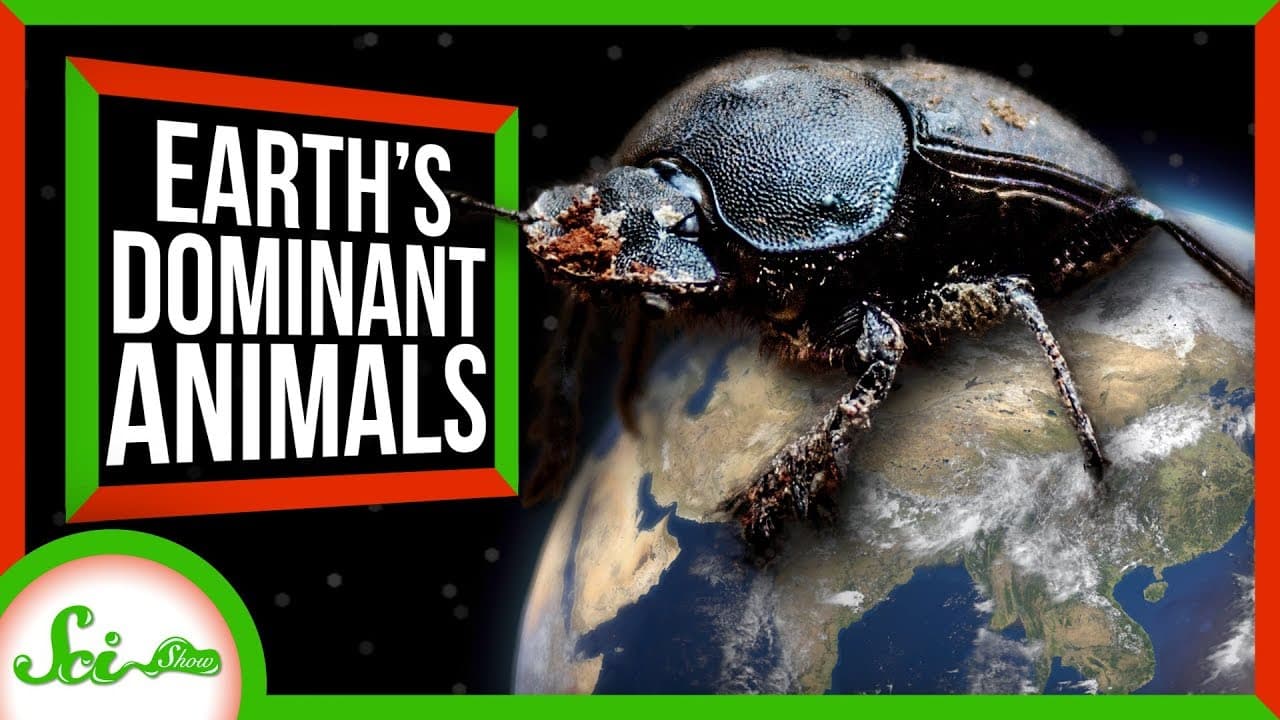
What Animal Dominates Earth?
TL;DR
Beetles may not be the most species-rich group; hymenopterans and nematodes emerge as contenders.
Transcript
[INTRO ♪] Ask any casual science enthusiast what animal group has more species than any other, and they’ll probably say beetles. And there are a ton of beetle species— more than 350 thousand, in fact. That’s about 22% of all species that we’ve identified and named so far, including stuff like bacteria. But some scientists think beetles’ time at num... Read More
Key Insights
- 👥 Species richness is not solely determined by fame or visibility; less charismatic groups like nematodes and hymenopterans may have more species.
- ✋ Parasitism has evolved multiple times and is a successful strategy for achieving high species numbers in certain animal groups.
- 👥 Species estimates rely on human exploration, limiting our understanding of the true diversity of animal groups.
- 🤑 The competition for the most species-rich group extends beyond beetles to include hymenopterans, nematodes, and true flies.
- 🤩 Variety in habitat, diet, and survival strategies are key factors in determining the species richness of animal groups.
Install to Summarize YouTube Videos and Get Transcripts
Explore YouTube Video Summarizer or Get YouTube Transcript Extractor
Questions & Answers
Q: Why have beetles traditionally been considered the most species-rich animal group?
Beetles were popular among collectors and naturalists, leading to more research and funding, contributing to the discovery of numerous species.
Q: What distinguishes hymenopterans as potential contenders for the most species-rich group?
Hymenopterans, especially parasitoid wasps, are highly specialized, targeting specific hosts, potentially outnumbering beetles in species diversity.
Q: How do nematodes compete for the title of most speciose group?
Nematodes, including many parasitic species, exist in various ecosystems globally and may surpass both beetles and hymenopterans in species numbers.
Q: Why are true flies overlooked in discussions of species richness?
Despite their lack of charisma, true flies (Diptera) exhibit a surprising number of species, with estimates surpassing those of beetles.
Summary & Key Takeaways
-
Beetles, long considered the most species-rich group, face competition from hymenopterans and nematodes.
-
Hymenopterans, especially parasitoid wasps, may surpass beetles in species numbers due to their specialized nature.
-
Nematodes, including parasite species, are another contender for the most speciose group, found in diverse habitats worldwide.
Read in Other Languages (beta)
Share This Summary 📚
Summarize YouTube Videos and Get Video Transcripts with 1-Click
Try YouTube Summary with ChatGPT & Claude or YouTube Transcript Generator
Explore More Summaries from SciShow 📚

Summarize YouTube Videos and Get Video Transcripts with 1-Click
Try YouTube Summary with ChatGPT & Claude or YouTube Transcript Generator