Rotten Apples Return to Harvard's Glass Flowers exhibition
TL;DR
Harvard exhibits the exquisite and scientifically accurate glass models of rotten apples, showcasing the beauty and importance of plant diseases.
Transcript
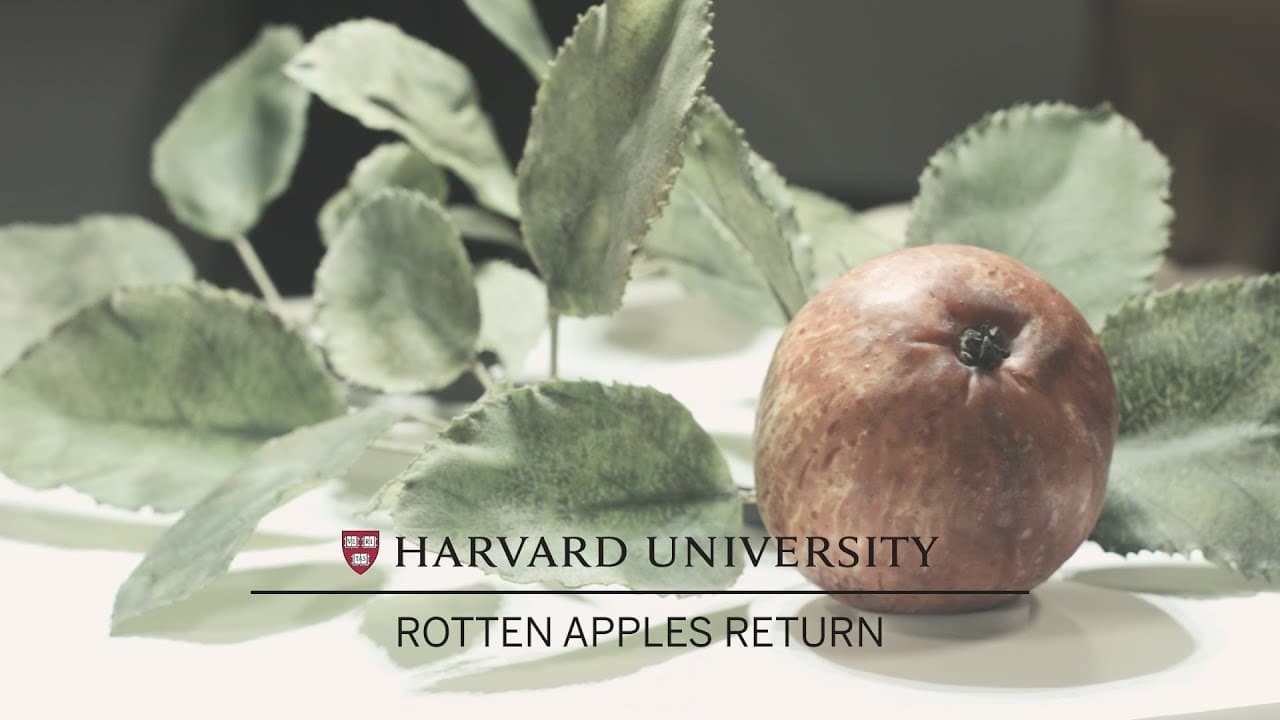
When we look at an apple like this we don't necessarily think of beauty, we think of what's happening to the apple, but I'm a mycologist by training so what I look at this, when I look at this I think, gee, look at all that spore production there, look at all that's going on with that apple. Rotten apples seems like an odd thing to come out and loo... Read More
Key Insights
- 😎 Rotten apples may not be traditionally considered beautiful, but glass models of them can reveal the intricate details and structures of plant diseases.
- 😎 The glass models, created by Rudolf Blaschka, showcase the skills and techniques used to accurately represent these diseases.
- 😋 These models serve as educational tools to raise awareness about the biology of plants and the importance of food security.
- 😎 The exhibit allows the public to appreciate the beauty and artistic value of the glass models while learning about the impact of plant diseases.
- 😎 By exploring the glass models, visitors can gain a deeper understanding of the complexities of the natural world and the role of plants in our lives.
- 👻 The exhibit serves as a bridge between scientific research and public engagement, allowing Harvard's work to reach a wider audience.
- 😎 The rarity and historical significance of the glass models add to their value as objects of study and appreciation.
Install to Summarize YouTube Videos and Get Transcripts
Explore YouTube Video Summarizer or Get YouTube Transcript Extractor
Questions & Answers
Q: What is the significance of the glass models of rotten apples?
The glass models of rotten apples serve as accurate representations of plant diseases, highlighting the beauty and intricacies of their structures. They provide a unique way to study and appreciate the impact of diseases on plants.
Q: Who created these glass models and what techniques were used?
The glass models were created by Rudolf Blaschka, an artist known for his botanical glass sculptures. He utilized different techniques to achieve the desired effects, such as cleaning the powdery coating on the surface and painting them to enhance their realism.
Q: How do the glass models contribute to public education?
The exhibit at Harvard featuring these glass models aims to educate the public about food security and the biology of plants. By showcasing the models, it allows visitors to appreciate the beauty of plants and raises awareness about the importance of plant diseases for food sources.
Q: What is the overall goal of the exhibit at Harvard?
The exhibit at Harvard intends to present Harvard's research and activities to the public. It aims to broaden the public's appreciation of museums, biology, and the significance of plants in terms of food security. The beauty and rarity of the glass models contribute to this goal.
Summary & Key Takeaways
-
The Blaschka models are blown glass representations of plant diseases, providing a unique perspective on the beauty and intricacies of rotten apples.
-
These models, such as the Aspergillus fungus, highlight the developmental stages of spore formation and demonstrate the artistic and scientific skills of Rudolf Blaschka.
-
The exhibit at Harvard aims to educate the public about food security and the significance of plants, utilizing the rare and visually stunning models.
Read in Other Languages (beta)
Share This Summary 📚
Summarize YouTube Videos and Get Video Transcripts with 1-Click
Try YouTube Summary with ChatGPT & Claude or YouTube Transcript Generator
Explore More Summaries from Harvard University 📚






Summarize YouTube Videos and Get Video Transcripts with 1-Click
Try YouTube Summary with ChatGPT & Claude or YouTube Transcript Generator