360° Underwater National Park | National Geographic
TL;DR
National Geographic photographer Brian Skerry captures the beauty and vulnerability of marine life in protected waters.
Transcript
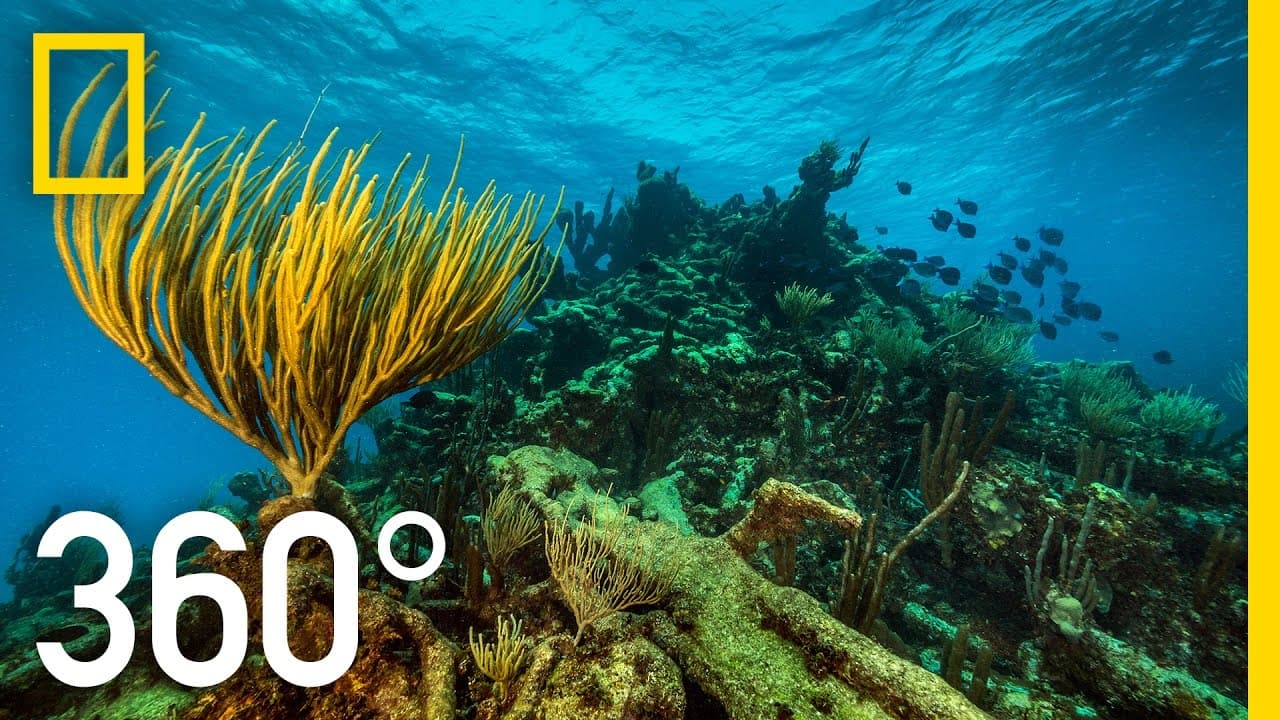
initially i just wanted to be an underwater explorer but shortly after becoming a diver i realized that the perfect way for me to explore the ocean was with a camera my name is brian scary and i'm a national geographic magazine photographer that specializes in ocean wildlife buck island is this spectacular coral reef you feel like you're in a story... Read More
Key Insights
- 😒 Brian Skerry uses photography as a powerful tool to advocate for ocean conservation.
- 🤢 Buck Island exemplifies the success of marine protection efforts in preserving coral reefs and sea turtle populations.
- 🤨 Skerry aims to raise awareness about the fragility of marine ecosystems and the importance of conservation through his work.
- 🧑⚕️ Protected marine areas are essential for preserving biodiversity and ensuring the long-term health of marine ecosystems.
- 🫵 Skerry's photography encapsulates the beauty and vulnerability of marine life, inspiring viewers to take action for conservation.
- 🤨 The role of photographers like Skerry is crucial in telling the stories of protected marine areas and raising awareness about their significance.
- 🌍 Marine national monuments, such as Buck Island, serve as valuable examples of successful conservation practices in action.
Install to Summarize YouTube Videos and Get Transcripts
Explore YouTube Video Summarizer or Get YouTube Transcript Extractor
Questions & Answers
Q: How does Brian Skerry use photography to advocate for ocean conservation?
Brian Skerry leverages his photography skills to visually communicate the beauty and fragility of marine ecosystems, shedding light on the need for conservation efforts. By capturing compelling images, he raises awareness and encourages action to protect these vulnerable areas.
Q: What role does Buck Island play in Skerry's photography?
Buck Island serves as a backdrop for Skerry's storytelling, featuring its rich coral reefs and flourishing sea turtle populations. As a marine national monument, it exemplifies the success of conservation efforts, which Skerry aims to showcase through his work.
Q: Why are protected marine areas essential for preserving biodiversity?
Protected marine areas, like Buck Island, play a crucial role in safeguarding biodiversity by providing a safe habitat for marine species to thrive. These areas allow populations to recover and contribute to the overall health of ecosystems.
Q: How does Skerry highlight the vulnerability of marine environments through his photography?
Skerry's photography captures the delicate balance of marine ecosystems and showcases the potential threats they face. By visually documenting these vulnerable areas, he emphasizes the importance of conservation and responsible management practices.
Summary & Key Takeaways
-
Brian Skerry, a National Geographic photographer, uses his camera to explore and document ocean wildlife.
-
Buck Island, a marine national monument, showcases vibrant coral reefs and sea turtle populations under protection.
-
Skerry aims to raise awareness about the importance of protecting vulnerable marine ecosystems through his photography.
Read in Other Languages (beta)
Share This Summary 📚
Summarize YouTube Videos and Get Video Transcripts with 1-Click
Try YouTube Summary with ChatGPT & Claude or YouTube Transcript Generator
Explore More Summaries from National Geographic 📚


Summarize YouTube Videos and Get Video Transcripts with 1-Click
Try YouTube Summary with ChatGPT & Claude or YouTube Transcript Generator