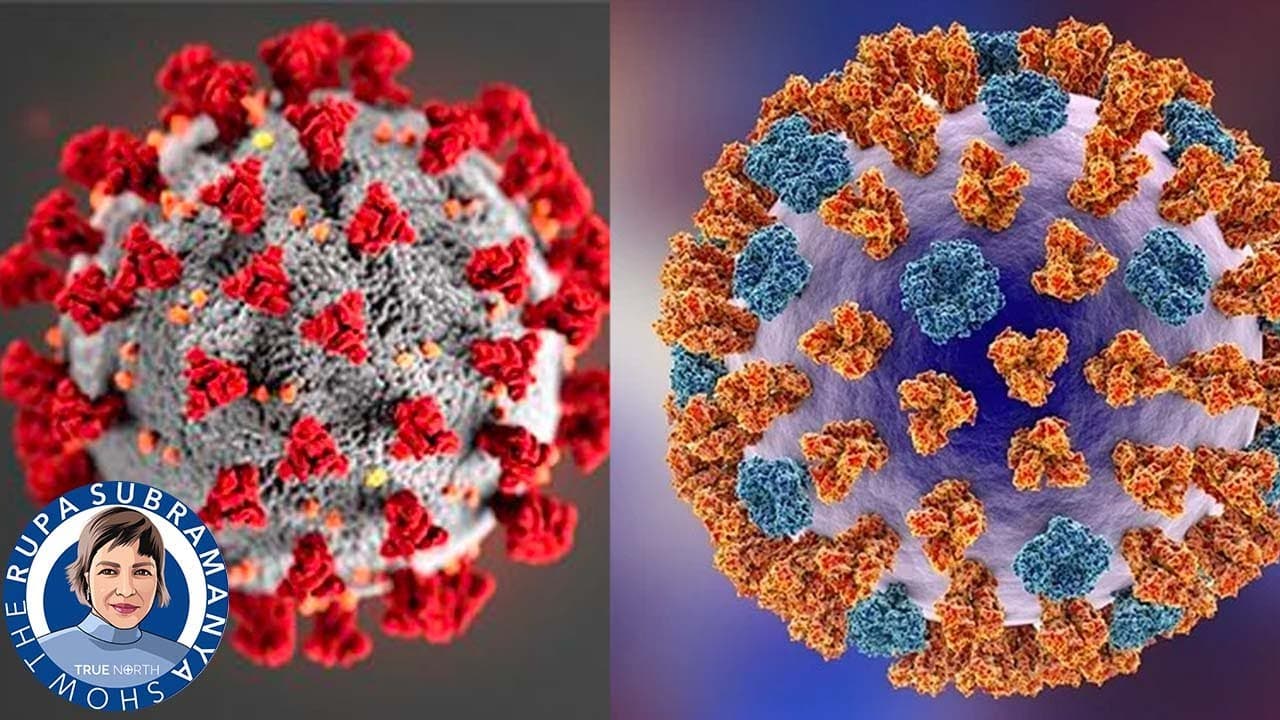
What's worse? Covid or the flu? (Feat. Dr. Neil Rau)
TL;DR
COVID-19 is evolving into a seasonal illness like the flu, with changing public health responses.
Transcript
something you mentioned earlier you know since the advent of omicron is its sub-variants uh we know that covet has become much less severe it's highly transmissible and even the booster shots as you said don't really do much at preventing transmission at this point um first of all would it be fair to say that from a layman's perspective covet 19 is... Read More
Key Insights
- 🧑⚕️ The evolving nature of COVID-19 suggests a transition towards an endemic illness, with implications for public health approaches.
- 😣 Population immunity has shifted, resulting in a different risk profile for severe disease due to the new variant.
- 🥺 Public health messaging has struggled with managing expectations, leading to confusion about vaccine efficacy.
- 🤗 A cultural stigma against questioning vaccination strategies has created a challenging environment for open dialogue on public health.
- 🧑⚕️ Individuals continue to exhibit protective behaviors, indicating persistent anxiety around COVID-19's impact on health.
- 🌍 International variations in COVID-19 responses highlight differing societal attitudes towards disease management and risk.
- 🧑⚕️ Accusations of anti-vaccine sentiments complicate discussions about vaccination, hindering constructive debate about health strategies.
Install to Summarize YouTube Videos and Get Transcripts
Explore YouTube Video Summarizer or Get YouTube Transcript Extractor
Questions & Answers
Q: How has the public perception of COVID-19 changed since its onset?
Public perception of COVID-19 has shifted significantly, particularly with the rise of the Omicron variant, which is seen as less severe. Many now compare it to the seasonal flu, leading to debates about the necessity of ongoing severe public health measures. However, there remains a divide, with some experiencing heightened fear and seeking continued precautions.
Q: What implications does the transition from pandemic to endemic have for public health policies?
Transitioning to an endemic model implies that COVID-19 will coexist with the population similarly to the flu. This may lead to a reduction in stringent public health policies and a shift towards voluntary vaccinations, with a focus on targeted protection for high-risk groups instead of blanket mandates.
Q: Why is there ongoing fear among some individuals regarding COVID-19?
Many individuals, particularly those who are vaccinated multiple times, still harbor fear due to a combination of media narratives and the perceived seriousness of the virus. This fear is often exacerbated by conflicting expert opinions and the stigma associated with questioning ongoing vaccination strategies.
Q: What concerns are raised regarding vaccine messaging?
Concerns around vaccine messaging stem from public health campaigns that may have oversold the efficacy of vaccines in preventing transmission. This led to a misalignment of expectations, where many believe vaccines are a panacea, causing confusion and skepticism as reality unfolds differently.
Q: Are there distinctions between the healthcare approaches in different countries toward COVID-19?
Yes, healthcare approaches significantly vary. Some countries have moved towards more relaxed COVID-19 measures, adopting a mindset of coexisting with the virus, while others continue stringent regulations, reflecting a divergence in strategies rooted in cultural attitudes and public health philosophies.
Q: How does the behavior of the public illustrate the psychological impacts of the pandemic?
The public's behavior, such as wearing masks in situations perceived as non-threatening, indicates a lingering anxiety stemming from the pandemic's impact. This behavior reflects a broader struggle with 'COVID psychosis,' illustrating fear, the need for protective behaviors, and the struggle to adjust to new normals post-pandemic.
Q: What role do expert opinions play in shaping public response to COVID-19?
Expert opinions significantly influence public response, especially when they are amplified by media coverage. Divergent views among public health officials can lead to confusion and polarization, as some opinions promote caution while others advocate for a more relaxed approach, complicating the public's understanding of risk and safety.
Summary & Key Takeaways
-
COVID-19 is shifting towards an endemic model similar to the seasonal flu, influenced by increased population immunity through vaccination and prior infections.
-
Public health responses have become contentious, with a divide among experts on appropriate measures, leading to ongoing fear and anxiety among unvaccinated individuals.
-
Mismanagement of expectations regarding vaccinations may contribute to confusion and distrust among the public regarding COVID-19 and its ongoing risks.
Read in Other Languages (beta)
Share This Summary 📚
Summarize YouTube Videos and Get Video Transcripts with 1-Click
Try YouTube Summary with ChatGPT & Claude or YouTube Transcript Generator
Explore More Summaries from True North 📚




Summarize YouTube Videos and Get Video Transcripts with 1-Click
Try YouTube Summary with ChatGPT & Claude or YouTube Transcript Generator