The Climate Crisis Is Changing the Circle of Life
TL;DR
Climate change affects decomposition processes by altering the behavior of key decomposer arthropods, impacting the ecosystem.
Transcript
This episode is sponsored by Wren, a website with a monthly subscription that helps fund projects to combat the climate crisis. Click the link in the description to learn more about how you can make a monthly contribution to support projects like rainforest protection programs. [♪ INTRO] Just about everything in nature goes back to the Earth after ... Read More
Key Insights
- 💱 Warmer temperatures from climate change affect the behavior of decomposer arthropods.
- ☠️ Decomposition rates can be either accelerated or slowed down due to climate change.
- 💱 Changes in decomposition processes can have cascading effects on nutrient cycling and biodiversity.
- 💱 Different species of decomposer arthropods respond differently to climate change.
- ☠️ Predator-prey interactions can influence decomposition rates.
- 💱 Climate change impacts on decomposition can vary by habitat.
- 💱 Maintaining a healthy ecosystem requires understanding the effects of climate change on decomposition.
Install to Summarize YouTube Videos and Get Transcripts
Explore YouTube Video Summarizer or Get YouTube Transcript Extractor
Questions & Answers
Q: How does climate change impact decomposition processes?
Climate change affects decomposition processes by altering the behavior of decomposer arthropods. Warmer temperatures can either facilitate or hinder decomposition, depending on the species involved.
Q: What are some examples of decomposer arthropods and how do they respond to climate change?
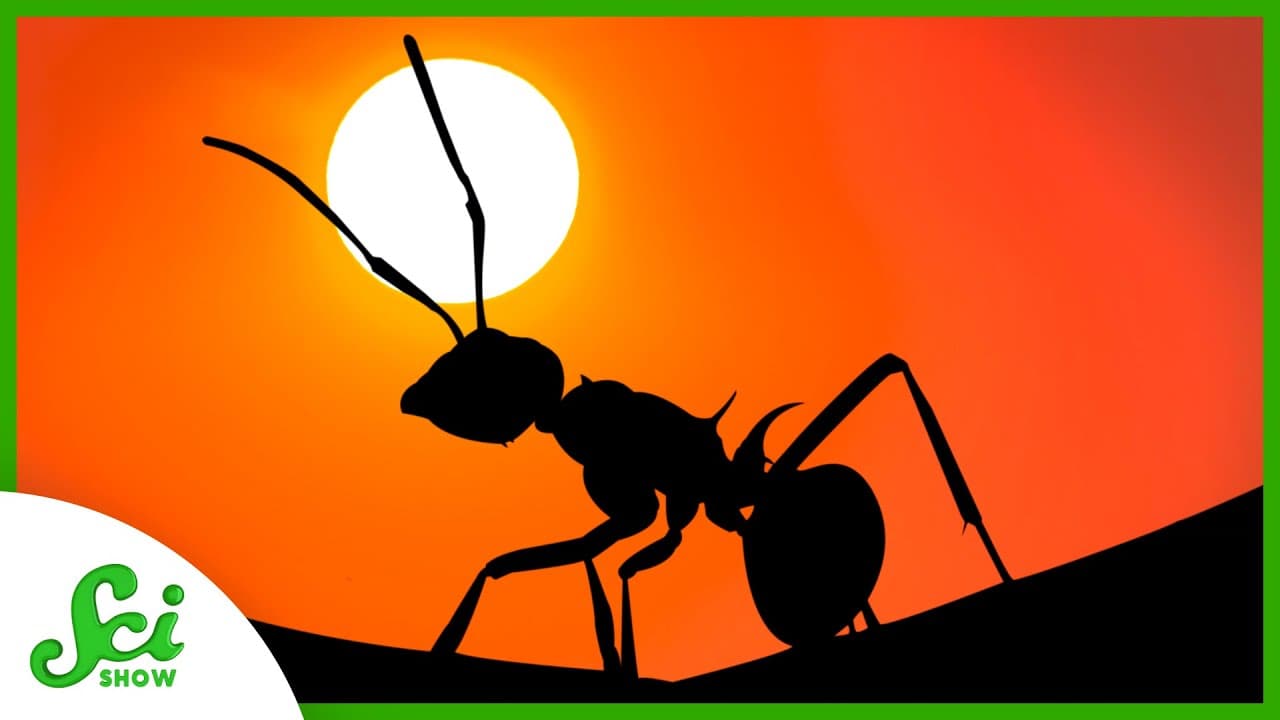
Arthropods like black field ants and woodlice are examples of decomposer arthropods that alter their behavior in response to climate change. For example, ants may seek shelter in cooler nests during hot temperatures, slowing down decomposition.
Q: How do warmer temperatures affect the decomposition of organic material?
Warmer temperatures create favorable conditions for bacteria involved in decomposition. However, larger decomposers like insects may be less active in warm temperatures, affecting the decomposition process.
Q: What are the potential consequences of changes in decomposition rates due to climate change?
Changes in decomposition rates can impact nutrient cycling, biodiversity, and the overall health of ecosystems. Accumulation of leaf litter due to slowed decomposition can contribute to wildfires and disrupt food webs.
Summary & Key Takeaways
-
Climate change affects decomposition processes by altering the behavior of decomposer arthropods.
-
Warmer temperatures can either facilitate or hinder decomposition, depending on the species of arthropods involved.
-
Changes in decomposition rates due to climate change can have significant effects on nutrient cycling and ecosystem health.
Read in Other Languages (beta)
Share This Summary 📚
Summarize YouTube Videos and Get Video Transcripts with 1-Click
Try YouTube Summary with ChatGPT & Claude or YouTube Transcript Generator
Explore More Summaries from SciShow 📚

Summarize YouTube Videos and Get Video Transcripts with 1-Click
Try YouTube Summary with ChatGPT & Claude or YouTube Transcript Generator