How Did We End Up in a Housing Affordability Crisis?
TL;DR
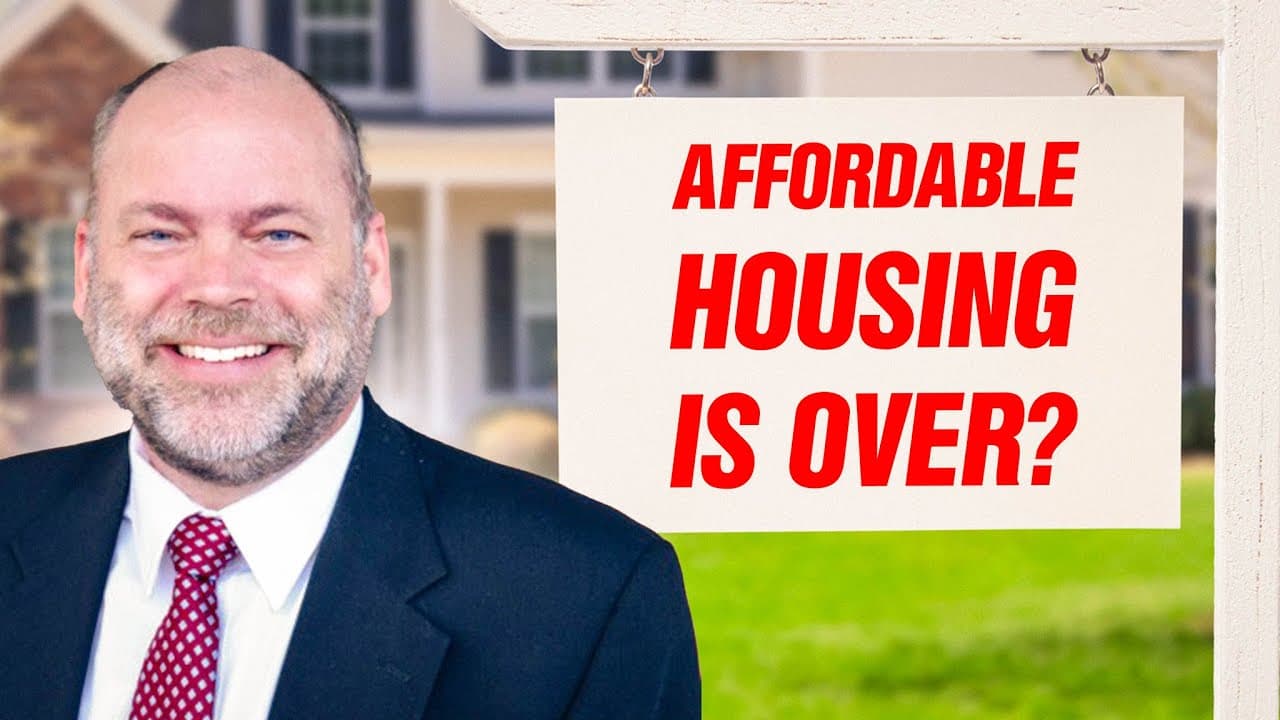
The housing affordability crisis stems from decades of underbuilding coupled with restrictive zoning laws that prevent necessary new developments. Institutional landlords have filled the gap created by high rents and tightened mortgage qualifications for families, but this trend has worsened the affordability issue rather than solving it.
Transcript
and so that's basically where we are today we had this 30% shock to rinse to get these lower pric to rent ratios up to where the price will trigger new building for this new landlord tenant situation now as a first step those families should just be owners they should be able to just get the mortgage and own those houses and they'd be willing to pa... Read More
Key Insights
- 🍉 Housing affordability is significantly impacted by a long-term underbuilding trend and regulatory barriers.
- 🏙️ Closed-access cities limit new housing projects, causing population overflow into contagion cities which struggle to keep up with demand.
- ✋ High rental prices result from insufficient supply, with many families unable to transition to homeownership due to tightened lending standards.
- 🫚 Institutional investors gaining market share in residential real estate is a reaction to market conditions rather than the root cause of housing shortages.
- ❓ Regulatory reform and a shift towards flexible housing development practices could enhance markets and create more affordable options.
- 🛄 There is often a disconnect between political rhetoric around housing and effective policy solutions, with criticism aimed at institutions rather than the underlying issues of supply constraints.
- 🪛 A comprehensive approach that includes market-driven solutions and reducing barriers would be essential for addressing the housing crisis effectively.
Install to Summarize YouTube Videos and Get Transcripts
Explore YouTube Video Summarizer or Get YouTube Transcript Extractor
Questions & Answers
Q: What factors have contributed to the current housing affordability crisis?
The housing affordability crisis can be traced back to a 30-year period of underbuilding, where housing supply failed to keep pace with increasing demand. This supply shortage has driven up rental prices significantly, making homeownership increasingly unattainable for many families. Additionally, overregulation in certain areas has limited the ability to build necessary housing units, leading to heightened economic pressures on lower-income families.
Q: How do closed-access cities differ from contagion cities regarding housing supply?
Closed-access cities, like New York and San Francisco, have stringent building regulations that limit housing supply, resulting in higher prices and limited availability. In contrast, contagion cities, such as Phoenix and Las Vegas, experienced an influx of residents from closed-access cities and tried to accommodate this demand through greater construction. This creates a dynamic where closed-access cities face chronic shortages while contagion cities attempt to address sudden demand spikes but often still fall short of fulfilling housing needs.
Q: What is the role of institutional investors in the housing market?
Institutional investors have increasingly bought single-family homes, particularly following the financial crisis when many families were locked out of the mortgage market due to stricter regulations. While some argue this institutional ownership is problematic, particularly for long-term tenants, it can also stabilize certain markets by providing rental units where ownership isn't feasible, although this dynamic raises concerns about affordability and tenant rights.
Q: What changes could potentially improve housing affordability?
To improve housing affordability, it is crucial to increase housing supply by relaxing zoning regulations, encouraging mixed-use developments, and supporting the construction of varied housing types. Additionally, policies that enable families to access mortgages more easily would allow more individuals to transition from renting to owning homes, which can help alleviate some pressure from the rental market.
Summary & Key Takeaways
-
The current housing affordability crisis results from a 30-year underbuilding trend, which has caused high rent levels and a reliance on institutional landlords.
-
Zoning regulations and restrictive building practices in closed-access cities prevent necessary new housing developments, exacerbating the supply-demand imbalance.
-
Institutional ownership of single-family homes has become prevalent as many families struggle to qualify for mortgages, leading to ongoing debates about the impact on affordability and tenant rights.
Read in Other Languages (beta)
Share This Summary 📚
Summarize YouTube Videos and Get Video Transcripts with 1-Click
Try YouTube Summary with ChatGPT & Claude or YouTube Transcript Generator
Explore More Summaries from Anthony Pompliano 📚

Summarize YouTube Videos and Get Video Transcripts with 1-Click
Try YouTube Summary with ChatGPT & Claude or YouTube Transcript Generator