How Do Parasites Manipulate Host Behavior?
TL;DR
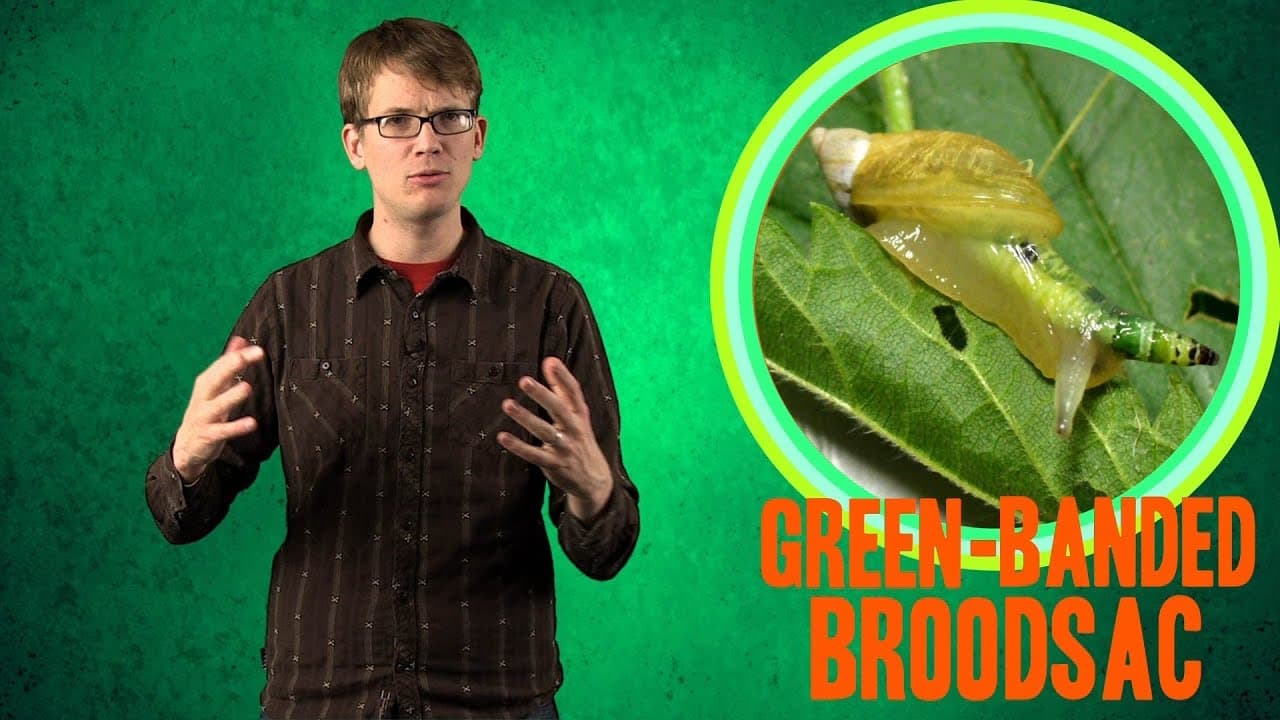
Parasites can control host behavior to complete their life cycles. For instance, the green banded brood sack worm makes snails act attractively to birds, while hair worms manipulate grasshoppers to drown themselves. Toxoplasma gondii alters rat behavior to increase cat encounters, raising concerns about its potential impact on human brain chemistry.
Transcript
so parasites kind of gross kind of upsetting right you know they they wheel their way into our bodies set up camp basically turn us into a living cafeteria i did a whole long episode on parasites you should watch it it's super interesting but what's you know more upsetting to me than when they start to you know actually eat me is when they try and ... Read More
Key Insights
- 🧠 Parasites utilize complex strategies, like brain manipulation, to ensure their survival.
- 🪱 The green banded brood sack worm and hair worms showcase extreme examples of parasite-host interactions.
- 🤨 Toxoplasma gondii's manipulation of rat behavior raises concerns about potential impacts on human brain chemistry.
- 👻 Parasites exhibit remarkable adaptive mechanisms in navigating host environments.
- 😺 Human-cat interactions may have unforeseen implications due to parasites like Toxoplasma gondii.
- 👻 The link between parasites and behavioral changes in hosts highlights the intricate nature of parasitism.
- 🙂 Research on parasites sheds light on the intricate ways in which they interact with their hosts.
Install to Summarize YouTube Videos and Get Transcripts
Explore YouTube Video Summarizer or Get YouTube Transcript Extractor
Questions & Answers
Q: How do parasites like the green banded brood sack worm manipulate their host's behavior?
The green banded brood sack worm takes control of snails, turning them into zombies to attract birds for consumption. This manipulation aids the worm's reproductive cycle.
Q: What is the strategy of hair worms when manipulating insects like grasshoppers?
Hair worms alter grasshoppers' brain chemistry, compelling them to commit suicide by drowning, allowing the worm to return to the water for reproduction.
Q: How does Toxoplasma gondii impact rat behavior to facilitate its life cycle?
Toxoplasma gondii manipulates rat brain chemistry to remove the fear of cats, leading rats to seek out feline predators, enabling the parasite's reproduction in cats.
Summary & Key Takeaways
-
Parasites can hijack hosts' brains to continue their life cycle, like the green banded brood sack worm manipulating a snail to attract a bird for consumption.
-
Hair worms infiltrate insects, altering their behavior to drown themselves, enabling the worm's reproduction.
-
Toxoplasma gondii switches rat behavior to attract cats, potentially impacting human brain chemistry.
Read in Other Languages (beta)
Share This Summary 📚
Summarize YouTube Videos and Get Video Transcripts with 1-Click
Try YouTube Summary with ChatGPT & Claude or YouTube Transcript Generator
Explore More Summaries from SciShow 📚

Summarize YouTube Videos and Get Video Transcripts with 1-Click
Try YouTube Summary with ChatGPT & Claude or YouTube Transcript Generator