Robots with "soul" | Guy Hoffman
TL;DR
In this talk, the speaker discusses their journey from studying animation to designing robots and explores the importance of using body movements to create engaging human-robot interactions.
Transcript
Read and summarize the transcript of this video on Glasp Reader (beta).
Key Insights
- 🌟 The power of animation: The speaker was inspired by Pixar's "Luxo Jr." to pursue a career in animation and discovered the importance of motion and timing in evoking emotions.
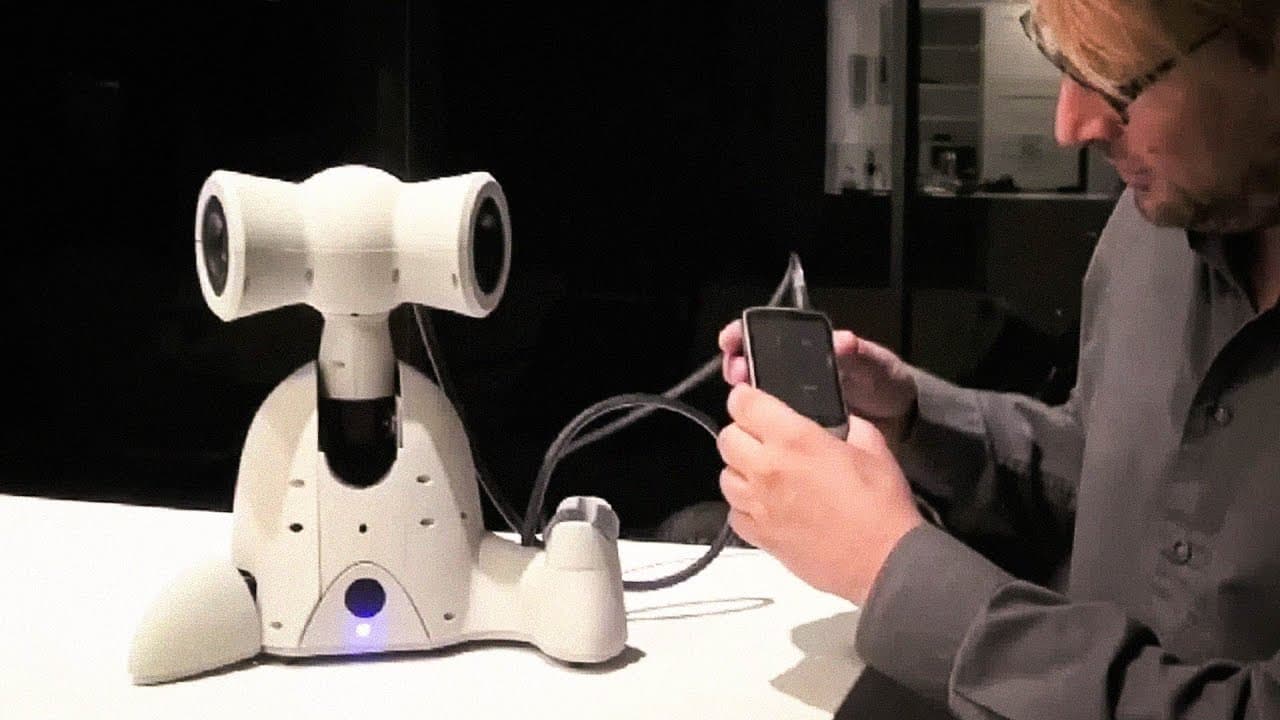
- 🔧 Designing robots: The speaker moved from animation to robotics and realized that robots lacked the engaging and expressive movements seen in animation. He wanted to bring the same grace and engagement to robots.
- 🤖 Human-robot interaction: The speaker emphasized the importance of human-robot interaction and discussed how he used his knowledge of animation and acting to create robots that could communicate and engage with humans.
- 🎭 Acting and robotics: The speaker studied acting and embodied cognition, which influenced his approach to designing robots. He wanted the robots to be more intuitive, risk-taking, and embodied in their movements.
- 🎵 Robotic musicians: The speaker explored the idea of teamwork and coordination in robotic musicians and used the concept of improvisation to create robots that could jam like a band, responding and riffing off each other's movements and music.
- 💡 The power of embodiment: The speaker discovered that people preferred robots with a more adventurous and expressive approach, rather than a calculated and robotic one. People had higher expectations of robots and saw them as more intelligent and committed when they showed more human-like qualities.
- 🤝 Future of robotics: The speaker believes that robots in the future need to be fluent, engaging, and graceful in their interactions with humans. He advocates for robots that can take chances, improvise, anticipate human actions, and even make and correct mistakes.
- 📱 Attention and influence: The speaker highlighted the influence of physical movements and body language in capturing attention and engaging with humans. Robots that move in captivating ways can have a powerful impact on human behavior and interaction.
Install to Summarize YouTube Videos and Get Transcripts
Explore YouTube Video Summarizer or Get YouTube Transcript Extractor
Questions & Answers
Q: What initially inspired the speaker to study animation?
The speaker was inspired to study animation after watching Pixar's "Luxo Jr." and being amazed by the emotion that could be conveyed through a simple desk lamp.
Q: Why did the speaker make the career decision to study animation?
The speaker made the career decision to study animation after leaving a comfortable tech job in Israel to pursue his passion for animation in New York, despite living in a less than ideal living situation.
Q: What were two surprising lessons the speaker learned during his animation studies?
The two surprising lessons the speaker learned during his animation studies were that emotion can be conveyed through motion rather than just appearance, and that animators should think of themselves as actors rather than directors.
Q: How did the speaker apply his animation knowledge to robotics?
The speaker applied his animation knowledge to robotics by designing a robotic desk lamp that moved in a graceful and engaging manner, incorporating concepts of emotion and motion to create a more human-like interaction.
Q: What did the speaker discover about human-robot interaction in his experimentation with different robotic brains?
The speaker discovered that people preferred the robotic brain that exhibited adventurous and risk-taking behavior, perceiving it as more intelligent, committed, and a better team member. People had higher expectations of robots than anticipated, desiring more engagement and contribution from them.
Q: How did the speaker incorporate embodied artificial intelligence into his work with robotics and music?
The speaker used embodied artificial intelligence to create a robot musician that could jam and improvise with human musicians. By allowing the robot to move and respond in an intuitive and unpredictable manner, it enhanced the sense of coordination, teamwork, and musical expression in the performances.
Q: What is the speaker's ultimate goal for robots in the future?
The speaker's ultimate goal is for robots to be more fluent, engaging, and graceful in their interactions with humans. He believes that robots should be able to take chances, improvise, anticipate human actions, and even make mistakes and correct them, in order to create a more human-like and satisfactory experience for individuals living with robots.
Summary & Key Takeaways
-
The speaker's job is to design, build, and study robots that communicate with people, starting with an interest in animation and emotion in Pixar films.
-
By studying animation and method acting, the speaker learned that emotion is conveyed through motion and that robots can be designed to move in engaging ways.
-
The speaker's research focuses on creating robots that can improvise, take risks, and make mistakes, making them more fluent, engaging, and graceful in human-robot interactions.
Read in Other Languages (beta)
Share This Summary 📚
Summarize YouTube Videos and Get Video Transcripts with 1-Click
Try YouTube Summary with ChatGPT & Claude or YouTube Transcript Generator
Explore More Summaries from TED 📚

Summarize YouTube Videos and Get Video Transcripts with 1-Click
Try YouTube Summary with ChatGPT & Claude or YouTube Transcript Generator