M2 iPhone
TL;DR
Apple plans to change iPhone chipsets, differentiating between models.
Transcript
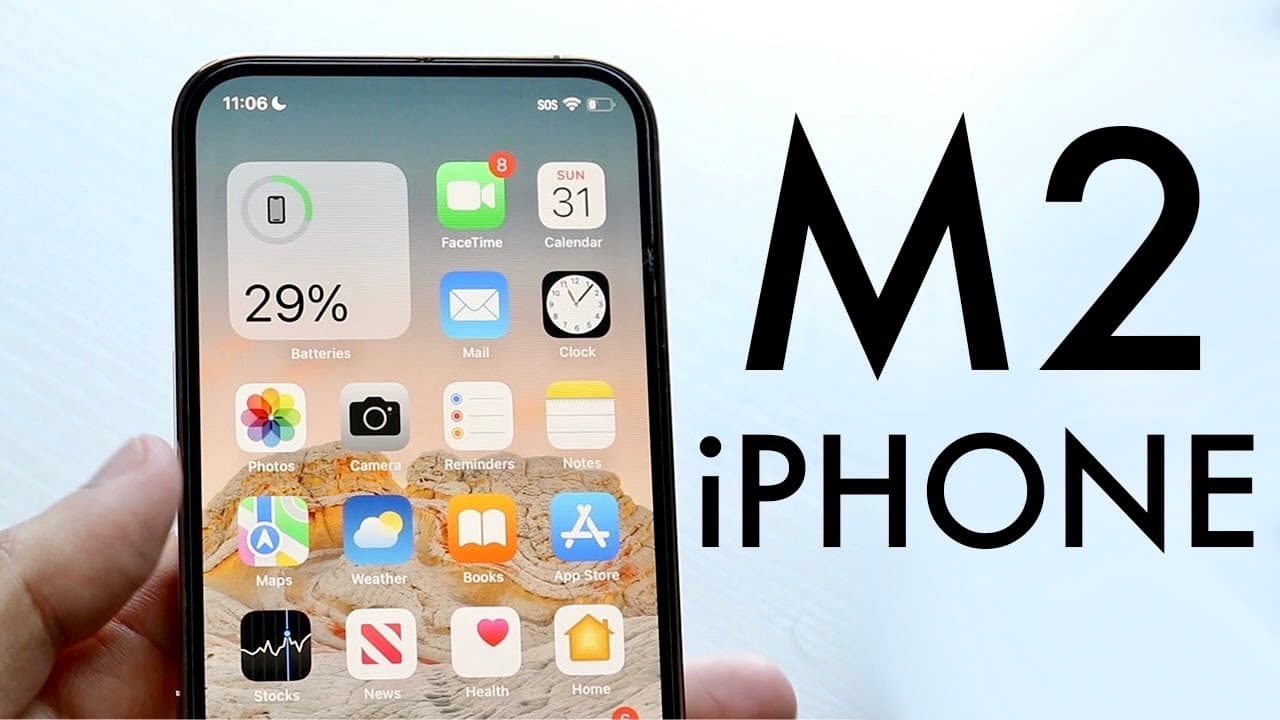
now with all these rumors about the next iteration of iphones it's always interesting to see what apple can be doing in the future now this is not an m2 iphone this is just an iphone 12 pro that with the you know the reversed image in a way but what's very very interesting about the next iterations of iphones is that apparently the iphone 14 is goi... Read More
Key Insights
- ❓ Apple is moving towards differentiated chipsets for its iPhone 14 lineup, which may cause performance disparities between models.
- 🐿️ The iPhone 14 Pro is expected to receive an upgraded chipset, unlike the base models that retain the A15 Bionic chip.
- 🫨 Future iPhones may incorporate M series chips, akin to strategies applied in Apple's MacBook range.
- 😫 The shift in chipset strategy could align more closely with performance expectations set by consumer technology trends.
- 😊 Maintaining a less advanced chipset in base models could pave the way for Pro models to become more popular among tech enthusiasts.
- 🙈 Apple's approach of adopting varied chipsets aligns with their existing differentiation strategies seen in Mac products.
- 🤶 The move may spur speculation regarding future iPhone capabilities, as consumers wonder how M series chips might enhance mobile performance.
Install to Summarize YouTube Videos and Get Transcripts
Explore YouTube Video Summarizer or Get YouTube Transcript Extractor
Questions & Answers
Q: What significant change is Apple planning for the iPhone 14 models?
Apple plans to introduce different chipsets for the iPhone 14 models, marking a departure from their previous strategy of using the same chipset across all variants. While the iPhone 14 Pro may feature an upgraded chipset, the base iPhone 14 models will reportedly keep the existing A15 Bionic chip, leading to potential performance disparities between the models.
Q: How might the introduction of M series chipsets impact future iPhones?
The introduction of M series chipsets could lead to higher performance and new features for future iPhone models, particularly the Pro variants. As Apple differentiates its chipsets in the MacBook lineup, there's potential for similar strategies in iPhones. This shift might allow iPhone Pro models to utilize M1 Pro or M1 Max chipsets, enhancing their capabilities significantly.
Q: What are the implications of maintaining the A15 Bionic chip in the iPhone 14?
Maintaining the A15 Bionic chip in the base iPhone 14 models could limit their overall performance compared to the Pro models, which might receive upgraded chipsets. This could lead to confusion among consumers and might affect the sales strategy, as the Pro variants would likely appeal more to users seeking advanced capabilities.
Q: Why is it considered unusual for Apple to differentiate chipsets across iPhone models?
Historically, Apple has provided a uniform experience across its iPhone lineup by using the same chipsets for each model variant. Differentiating chipsets may lead to concerns about how the base models will stack up against the Pro models, affecting consumer perceptions of value and capabilities within the same generation.
Summary & Key Takeaways
-
Apple is reportedly planning to introduce different chipsets for the iPhone 14 models, unlike previous models that used the same chipset for all variants.
-
The iPhone 14 Pro may receive a new chipset, while the base iPhone 14 models will likely retain the A15 Bionic chip from previous models.
-
Future iterations may also incorporate Apple’s M series chipsets, potentially enhancing performance and introducing newer features for higher-end iPhone models.
Read in Other Languages (beta)
Share This Summary 📚
Summarize YouTube Videos and Get Video Transcripts with 1-Click
Try YouTube Summary with ChatGPT & Claude or YouTube Transcript Generator
Explore More Summaries from Simple Alpaca 📚




Summarize YouTube Videos and Get Video Transcripts with 1-Click
Try YouTube Summary with ChatGPT & Claude or YouTube Transcript Generator