How Does Technology Redefine Our Identities and Art?
TL;DR
Technology, particularly social media, significantly influences personal identities and the creation of art by merging promotion and self-representation. Artists are pressured to commodify their identities, often blurring the lines between art and commercial content, while the rise of misinformation highlights the hazards of easy digital circulation. Ultimately, addressing the challenges posed by these trends requires a focus on the underlying capitalist systems rather than the technologies themselves.
Transcript
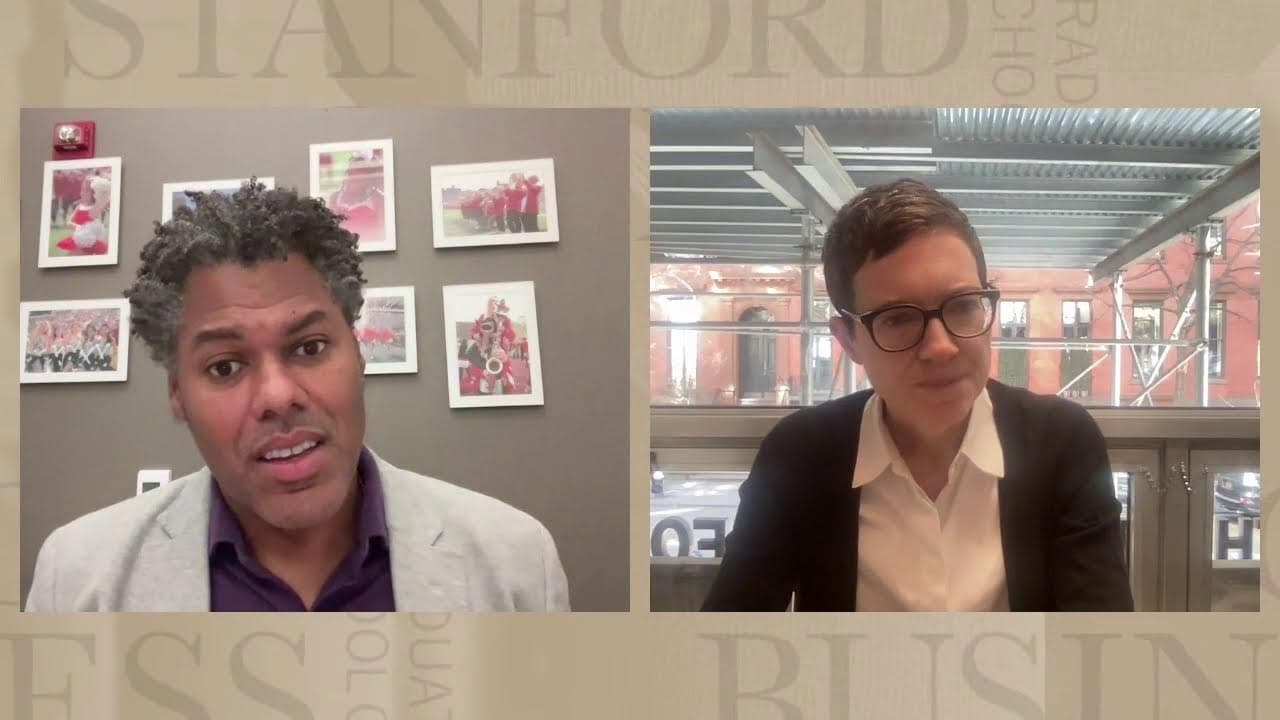
thank you foreign welcome to the leadership Society series people implanted in the information era and today I'm discussing how Tech defines us with Professor Kate icorn chair and professor of culture and media at the new school thanks for joining us thanks Brian thanks for the invitation good so I'm just Jump Right In in your recent book content y... Read More
Key Insights
- 🥰 Content blurs the line between art and advertising, challenging traditional definitions and categorizations.
- 🤳 The emergence of social media has democratized self-promotion for artists but also places increased pressure on them to create and market themselves simultaneously.
- 💢 Misinformation and disinformation have become more accessible and monetized in the digital era, posing threats to democracy.
- 🔉 Social media platforms offer both benefits, such as creating supportive communities, and drawbacks, such as limiting serendipity and stifling personal growth.
- ❓ The impact of technology on society and culture should focus on addressing the underlying system and capitalist interests rather than solely blaming the platforms.
Install to Summarize YouTube Videos and Get Transcripts
Explore YouTube Video Summarizer or Get YouTube Transcript Extractor
Questions & Answers
Q: What is the difference between content and art?
The distinction between content and art lies in how they are used and perceived. Content is often produced for the sake of circulation and advertising, while art carries intrinsic value and is created for the sake of creativity, expression, and aesthetics.
Q: How has the concept of content affected the way artists promote themselves?
Artists have been compelled to produce content about themselves as artists, which has become an essential component of self-promotion. This shift has placed additional pressure on artists, particularly women, as they must focus on marketing themselves alongside their artistic work.
Q: What are the consequences of misinformation and disinformation in the age of content?
In the digital era, misinformation and disinformation can be easily monetized, leading to an incentive for their production. This has had significant consequences for democracy, as false information can be widely circulated and manipulated, impacting public opinion and elections.
Q: How does the inability to forget impact forgiveness and personal growth?
The digital age's lack of forgetting makes it challenging for individuals to be forgiven or to undergo significant personal growth. The perpetual presence of past actions or statements online limits the ability to evolve and be seen in a new light, potentially hindering transformation.
Summary & Key Takeaways
-
Content has become a crucial part of promoting oneself or one's work, blurring the lines between art and advertising.
-
The word "content" is difficult to define precisely, as it encompasses both redeployed forms of existing media and material produced solely for circulation and advertising purposes.
-
The rise of misinformation and disinformation on digital platforms has been facilitated by the ease of circulation and monetization, posing serious threats to democracy.
-
The emergence of social media has forced artists and writers to become their own content producers, marketers, and directors, impacting both the way they create and how they are perceived.
Read in Other Languages (beta)
Share This Summary 📚
Summarize YouTube Videos and Get Video Transcripts with 1-Click
Try YouTube Summary with ChatGPT & Claude or YouTube Transcript Generator
Explore More Summaries from Stanford Graduate School of Business 📚
Summarize YouTube Videos and Get Video Transcripts with 1-Click
Try YouTube Summary with ChatGPT & Claude or YouTube Transcript Generator