What Unique Wildlife Lives in the Arctic Ocean?
TL;DR
The Arctic Ocean is home to unique wildlife such as polar bears, beluga whales, narwhals, and various seabirds that thrive in its harsh, icy environment. However, climate change is rapidly altering this ecosystem, threatening both the wildlife and the indigenous communities that depend on it. Understanding the Arctic's rich biodiversity is crucial as it plays a significant role in global climate and weather patterns.
Transcript
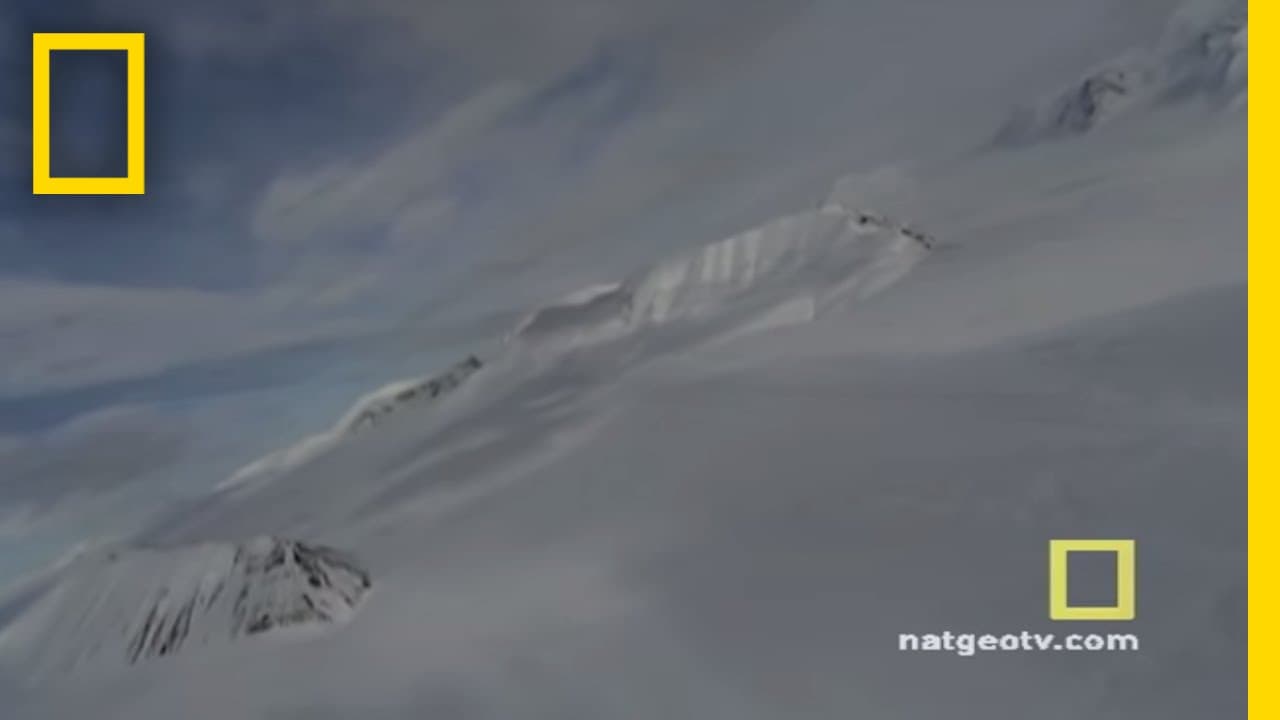
gleaming starkly white the frozen arctic ocean crowns the top of the world above 66 degrees north latitude in the arctic above the ice and below wildlife prospers in what might seem to be an inhospitable environment but it's exactly what is required for polar bears ring seals and the snowy white beluga whales the highly vocal canaries of the sea na... Read More
Key Insights
- ❓ The Arctic harbors diverse wildlife uniquely adapted to survive in extreme conditions.
- 📦 Human exploration, from historic expeditions to modern shipping routes, has shaped the Arctic's history and future.
- 🌐 Global warming is causing rapid changes in the Arctic environment, impacting wildlife and indigenous communities.
Install to Summarize YouTube Videos and Get Transcripts
Explore YouTube Video Summarizer or Get YouTube Transcript Extractor
Questions & Answers
Q: What unique species thrive in the Arctic region?
The Arctic is home to polar bears, ring seals, beluga whales, narwhals, bowhead whales, arctic birds, walruses, and various other marine life adapted to the extreme conditions.
Q: How has human exploration impacted the Arctic?
Human explorers like Robert Perry and Matthew Henson have shaped Arctic history, while modern activities such as global warming and shipping routes are threatening the delicate balance of the region.
Q: Why is the Arctic region crucial for global climate and weather?
The Arctic plays a significant role in regulating ocean currents, climate patterns, and ultimately, affecting the well-being of humankind, making it a critical area for research and conservation efforts.
Q: How has climate change affected Arctic wildlife?
Global warming is rapidly melting the Arctic ice cap, leading to habitat loss for polar bears, seals, and other wildlife dependent on the ice, endangering their survival.
Summary & Key Takeaways
-
The Arctic above 66 degrees north latitude is home to polar bears, ring seals, beluga whales, narwhals, bowheads, and more.
-
Life beneath the icy waters is diverse, with organisms, arctic birds, walruses, and explorers like Robert Perry and Matthew Henson contributing to the region's rich history.
-
Global warming is changing the Arctic landscape, impacting wildlife and indigenous communities reliant on ice.
Read in Other Languages (beta)
Share This Summary 📚
Summarize YouTube Videos and Get Video Transcripts with 1-Click
Try YouTube Summary with ChatGPT & Claude or YouTube Transcript Generator
Explore More Summaries from National Geographic 📚


Summarize YouTube Videos and Get Video Transcripts with 1-Click
Try YouTube Summary with ChatGPT & Claude or YouTube Transcript Generator